
Are Wet Wipes Really Disinfecting? How to Read the Label

The cleaning aisle in any Canadian pharmacy or grocery store contains dozens of products in nearly identical packaging, all making some version of the promise that they will leave surfaces cleaner and safer. Some of them are disinfectants. Many of them are not. And the gap between those two categories is not visible on the front of the package it is in the label, in the small print, and in a number that most Canadian shoppers have never been told to look for.
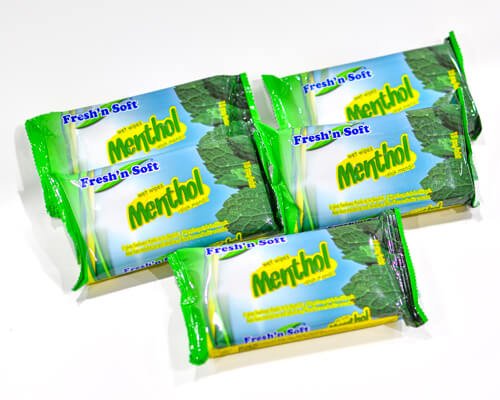
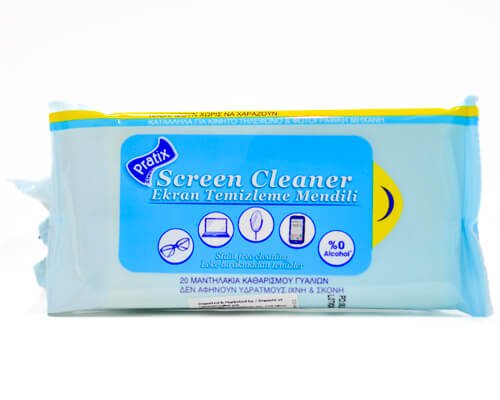
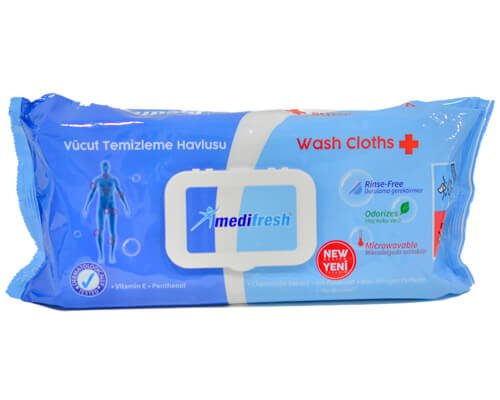
The short answer to the question in the title is: probably not, unless you specifically checked before you bought it. Most wet wipes sold in Canada are cleaning products they remove dirt, grease, and some surface contamination, and they make surfaces look and smell clean. But removing germs from a surface and killing germs on a surface are two different actions, and only one of them qualifies as disinfection under Canadian regulation. This guide explains how to tell the difference in thirty seconds, standing in front of a store shelf or reading a label at home.
This guide covers what Canadian dental clinics actually need from a surface disinfecting wipe, grounded in the IPAC framework that governs dental practice across Canada. It includes the Spaulding classification applied to dental surfaces, the Health Canada DIN requirement, the double-wipe protocol, and a practical surface and frequency checklist that can be used directly in your operatory turnover procedure.
The Three-Tier Distinction: Cleaning, Sanitising, Disinfecting
Before getting to the label, the underlying distinction matters. The terms “cleaning,” “sanitising,” and “disinfecting” describe three different actions with three different results, and they are not interchangeable even though they appear that way on much of the packaging in Canadian stores.
Product type | What it does | Canadian label signal | Kills verified pathogens? |
|---|---|---|---|
Cleaning wipe | Removes dirt, grease, and surface debris through detergent action and friction. Reduces visible contamination. | No DIN. No regulated kill claims. May say 'cleans' or 'removes dirt'. | ✗ No reduces but does not verify kill |
Sanitising wipe | Reduces microbial load to a defined safe level. Less rigorous than disinfecting targets bacteria more than viruses. | May carry a DIN or may not. Look for 'sanitizes' and a specific log-reduction claim. | ⚠ Partial bacteria reduction, limited virus kill |
Disinfecting wipe | Kills bacteria, viruses, and fungi to a verified standard. Must meet regulated kill claims against specific named pathogens. | Health Canada DIN required. Contact time listed. May list specific pathogens on label. | ✓ Yes verified kill claims, Health Canada registered |
How to Read a Canadian Wipe Label in 30 Seconds
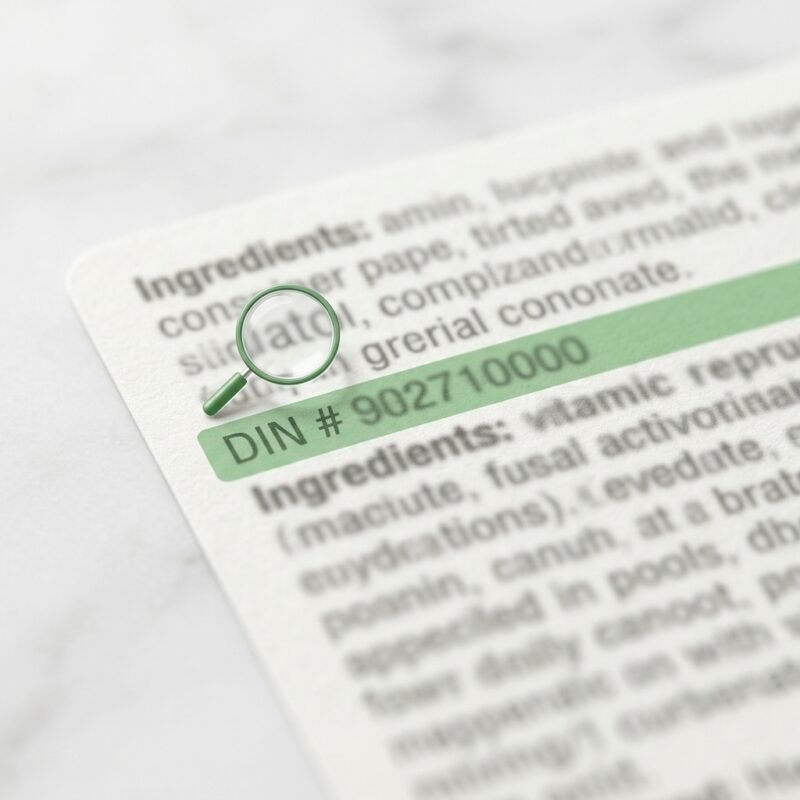
In Canada, the label element that separates a registered disinfectant from a general cleaning wipe is the Drug Identification Number the DIN. This is an eight-digit number preceded by the letters “DIN” and printed on the label of any product that has been reviewed and registered by Health Canada as a drug or disinfectant. Under Canada’s Food and Drugs Act, a surface disinfectant is classified as a drug, and any product making a verified disinfecting claim must be registered before it can make that claim legally.
The DIN check is the fastest and most reliable single action a Canadian consumer can take to determine whether a wipe is a registered disinfectant or a cleaning product. No DIN means no Health Canada registration, which means no verified kill claims, regardless of what the front of the package says.
This is different from the US system, where the relevant signal is an EPA registration number. Canadian consumers who read American cleaning guides will often see references to looking for an “EPA Reg. No.” on the label this is the US equivalent, but it is not the Canadian standard. American products sold in Canada may carry an EPA number without a Canadian DIN, and an EPA registration does not constitute Health Canada approval. For Canadian buyers, the DIN is the number that matters.
The Five Label Elements That Identify a Canadian Registered Disinfectant
A Health Canada DIN-registered disinfecting wipe will carry all five of the following on its label. The presence of all five confirms you are looking at a genuine registered disinfectant. The absence of any one of them is a reason to look more carefully before assuming the product disinfects:
- Drug Identification Number (DIN) An eight-digit number preceded by ‘DIN’ on the label. This is the primary signal. It confirms the product has been reviewed and registered by Health Canada as a disinfectant drug product. Verify it is present before anything else.
- Active ingredient with antimicrobial function The label will list an active ingredient typically benzalkonium chloride, thymol, hydrogen peroxide, or a quaternary ammonium compound at a specific concentration. This is the compound doing the disinfecting work. A product with only detergents, surfactants, or fragrance in its ingredient list is a cleaning product, not a disinfectant.
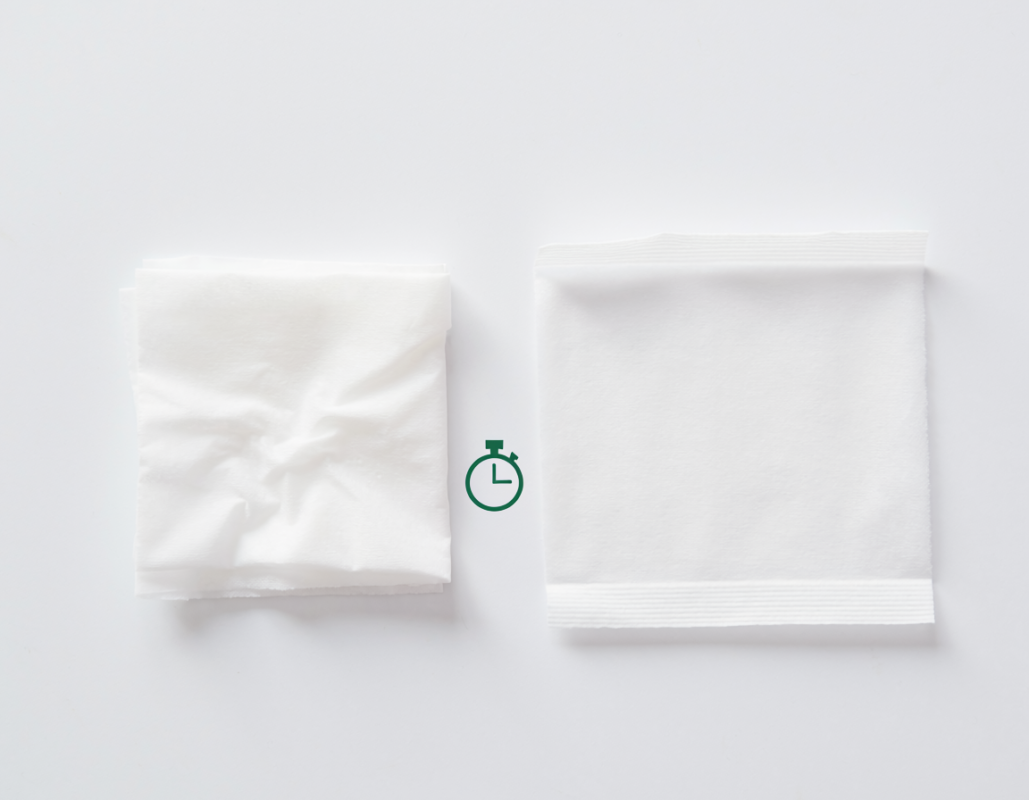
- Contact time A registered disinfectant will specify how long the surface must remain visibly wet for the kill claim to be met. This is usually stated in the directions for use: ‘allow to remain wet for X minutes.’ The contact time varies by product and pathogen some formulas work in 30 seconds, others require up to 10 minutes. If there is no contact time instruction, the product has not been formulated or tested as a disinfectant.
- Specific pathogen claims A registered disinfectant will name the specific organisms it has been tested and proven effective against often on the back of the label or in the product documentation. “Kills influenza A virus,” “effective against Staphylococcus aureus,” “virucidal against coronaviruses” are examples of specific kill claims. A general statement like “removes 99% of germs” without named organisms is not the same as a specific registered kill claim.
- Food-contact surface instructions (if applicable) A registered disinfectant will specify in its directions whether the product can be used on food-contact surfaces and whether a rinse step is required. This instruction only appears on products that have been tested for food-surface safety its presence confirms the product has gone through a more rigorous registration process than products without this specification.
Common Label Phrases That Sound Like Disinfecting Claims But Aren’t
The cleaning aisle is full of language designed to sound reassuring without making a regulated claim. Understanding which phrases are verified and which are marketing is the practical skill this guide is building. The table below covers the most common label phrases Canadian shoppers encounter:
Label phrase | Disinfectant? | What it actually means |
|---|---|---|
DIN [number] Health Canada registered | ✓ Yes | The only verified Canadian signal. Kills specific pathogens at labeled contact time. |
Kills 99.9% of bacteria and viruses + DIN | ✓ Yes | Verified kill claim backed by Health Canada registration. Check the DIN is present. |
Kills 99.9% of bacteria and viruses (no DIN) | ⚠ Unverified | A marketing claim without regulatory verification. May or may not be accurate. |
Antibacterial | ⚠ Partial | Regulated to reduce bacteria but not necessarily kills viruses. Not a full disinfecting claim. |
Cleans and freshens | ✗ No | A cleaning product. Removes dirt and debris. Makes no pathogen kill claim. |
Multi-surface cleaner | ✗ No | Cleaning product. May also contain a mild antibacterial but is not a registered disinfectant. |
Removes 99% of germs | ✗ Not equivalent | Removing germs (physical cleaning action) is different from killing them (chemical disinfection). |
"Hospital-grade" (no DIN) | ⚠ Marketing only | A marketing descriptor with no regulated definition in Canada without an accompanying DIN. |
Natural / plant-based disinfectant (no DIN) | ⚠ Unverified | Ingredient origin doesn't verify kill claims. Needs DIN for verified Canadian disinfection standard. |
Contact time: X minutes | ✓ Good sign | Contact time listing suggests the product has been tested. Confirm DIN is also present. |
When You Actually Need a Disinfectant vs. When Cleaning Is Enough
This is the practical question the distinction is really in service of. Not every surface wipe-down requires a registered disinfectant, and understanding when each is appropriate helps you use the right product for the situation rather than reaching for the strongest option by default.
Cleaning is appropriate and sufficient for: everyday surface tidying where no specific contamination risk is present; removing visible dirt, crumbs, and grease from surfaces; maintaining general surface cleanliness in areas with low infection risk; and any situation where the goal is appearance and odour rather than pathogen reduction.
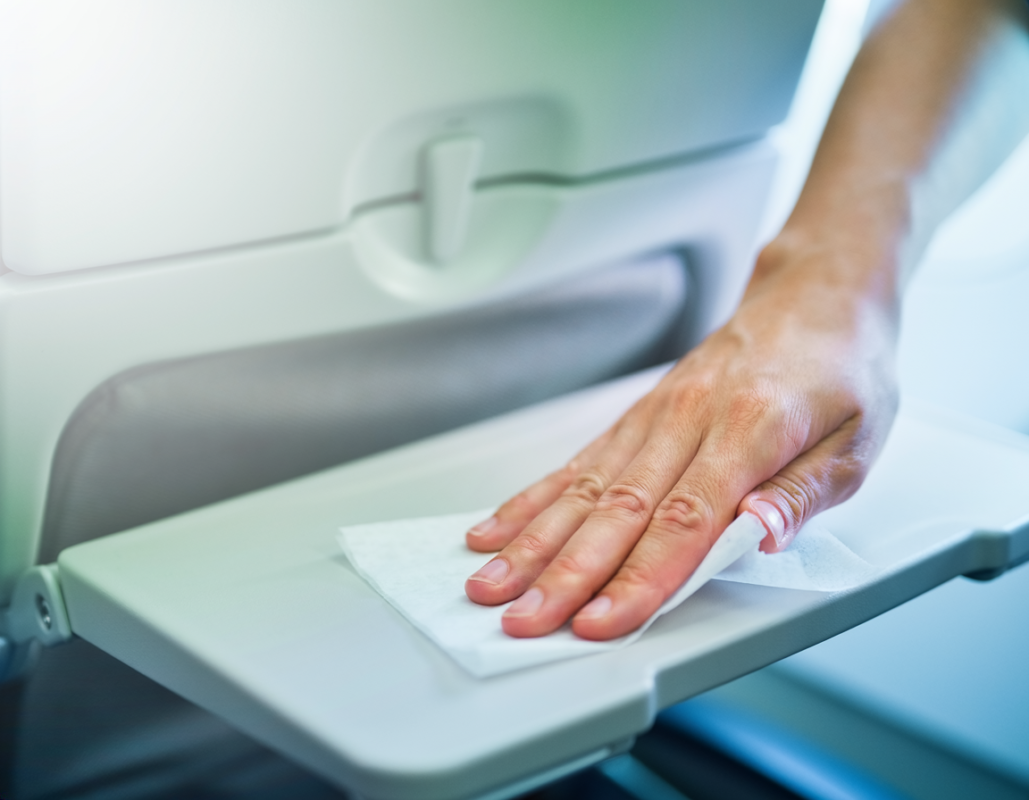
Disinfection is appropriate and necessary for: surfaces that have contacted raw meat, poultry, or eggs during food preparation; any surface in the home when someone in the household is ill with a contagious condition; high-touch surfaces in shared environments during cold and flu season; clinical, dental, or care settings where infection control is a regulatory requirement; surfaces that a person with a compromised immune system regularly contacts; and surfaces contaminated with blood or other potentially infectious biological material.
Using a cleaning wipe in a situation that calls for disinfection provides the impression of hygiene without the microbial kill that the situation requires. Using a disinfectant wipe in a situation that only calls for cleaning works fine but costs more and uses a stronger formula than necessary. Matching the product to the situation is what the label is there to help you do.
What GermeX Is and How to Confirm It on the Label
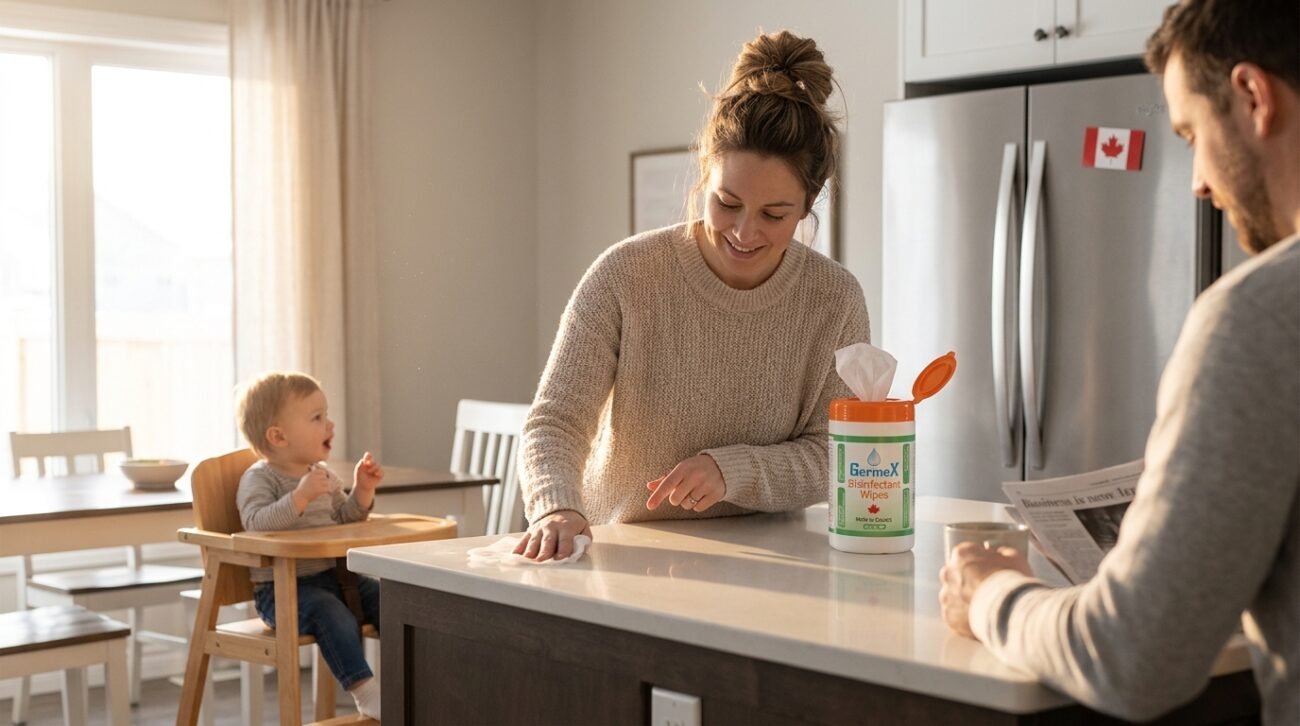
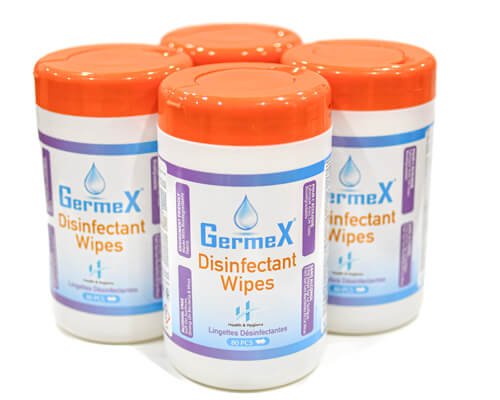
GermeX disinfecting wipes carry a Health Canada DIN, list benzalkonium chloride as the active disinfecting ingredient at its registered concentration, specify the contact time in the directions for use, name specific pathogens on their documentation, and are approved for food-contact surfaces without a rinse step. All five of the label elements in the checklist above are present on a GermeX canister.
For Canadian households that want a single wipe type that covers both everyday cleaning and registered disinfection in one product including kitchen, bathroom, and child-contact surfaces the full GermeX range is available in our disinfecting wipes collection. The GermeX 4-canister pack is the most cost-effective format for households that disinfect regularly.
Frequently Asked Questions
How do I find the DIN on a wipe package?
Look on the back or side panel of the label, typically in the product information block near the ingredient list or directions for use. It will appear as ‘DIN’ followed by an eight-digit number. You can also verify any Canadian DIN against the Health Canada drug product database at health canada.gc.ca by searching the DIN number.
Are baby wipes disinfecting?
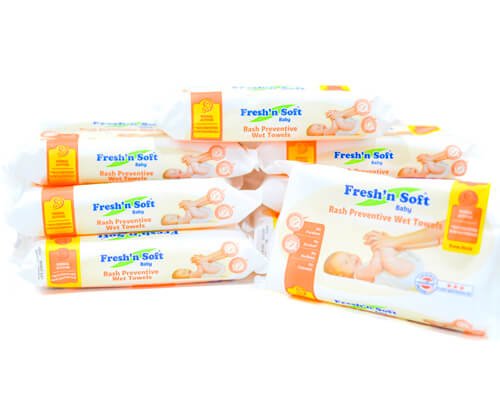
No. Baby wipes are formulated for cleaning and soothing skin they use very mild surfactants appropriate for infant skin and carry no disinfecting claims. They do not carry a DIN as a disinfectant and should not be used as a substitute for a registered surface disinfectant on hard surfaces.
Is ‘antibacterial’ the same as ‘disinfecting’?
Not in Canada. ‘Antibacterial’ indicates some activity against bacteria but does not imply full disinfecting efficacy against viruses, fungi, or resistant organisms. A registered disinfectant with a DIN makes broader and more specifically verified kill claims. A product labelled ‘antibacterial’ without a DIN has not been through the Health Canada registration process for disinfectants.
Can I use a cleaning wipe and then a disinfecting wipe together?
Yes and for surfaces with visible contamination, this is actually the recommended sequence. The cleaning wipe removes debris and organic material that would otherwise block the active ingredient in the disinfecting wipe from reaching the surface. Clean first, then disinfect, using a fresh wipe for each step.
Do all disinfecting wipes kill the same germs?
No. Each registered disinfectant is tested and approved against a specific list of organisms at its specific concentration and contact time. The pathogens a product is registered to kill are documented in the product registration and sometimes listed on the label. Two products with DINs may have different pathogen kill profiles depending on their active ingredient and concentration.
Most wet wipes are cleaning products, not registered disinfectants and the difference is on the label, not in the product’s appearance or marketing language. In Canada, the Health Canada DIN is the signal that separates a tested and registered disinfectant from a general cleaning wipe, and it is the only reliable check available to a Canadian shopper standing in front of a store shelf.
The five-element label check DIN, active ingredient, contact time, specific pathogen claims, food-surface instructions takes thirty seconds and tells you everything you need to know about what a wipe is and is not capable of doing. Knowing how to read a label is the practical skill that makes every other cleaning decision more effective.
For dental practices looking for an alcohol-free, DIN-registered surface disinfectant that is gentle on vinyl and equipment surfaces, meets the double-wipe protocol requirements, and is available in a bulk format with SDS documentation included, GermeX addresses each of those requirements directly.
Set up a bulk account, request SDS documentation, or discuss volume pricing through our B2B and bulk ordering page, or review the product details for the GermeX pack of 6 480 wipes before placing a bulk order.