

Do Makeup Wipes Remove Waterproof Mascara? We Tested It

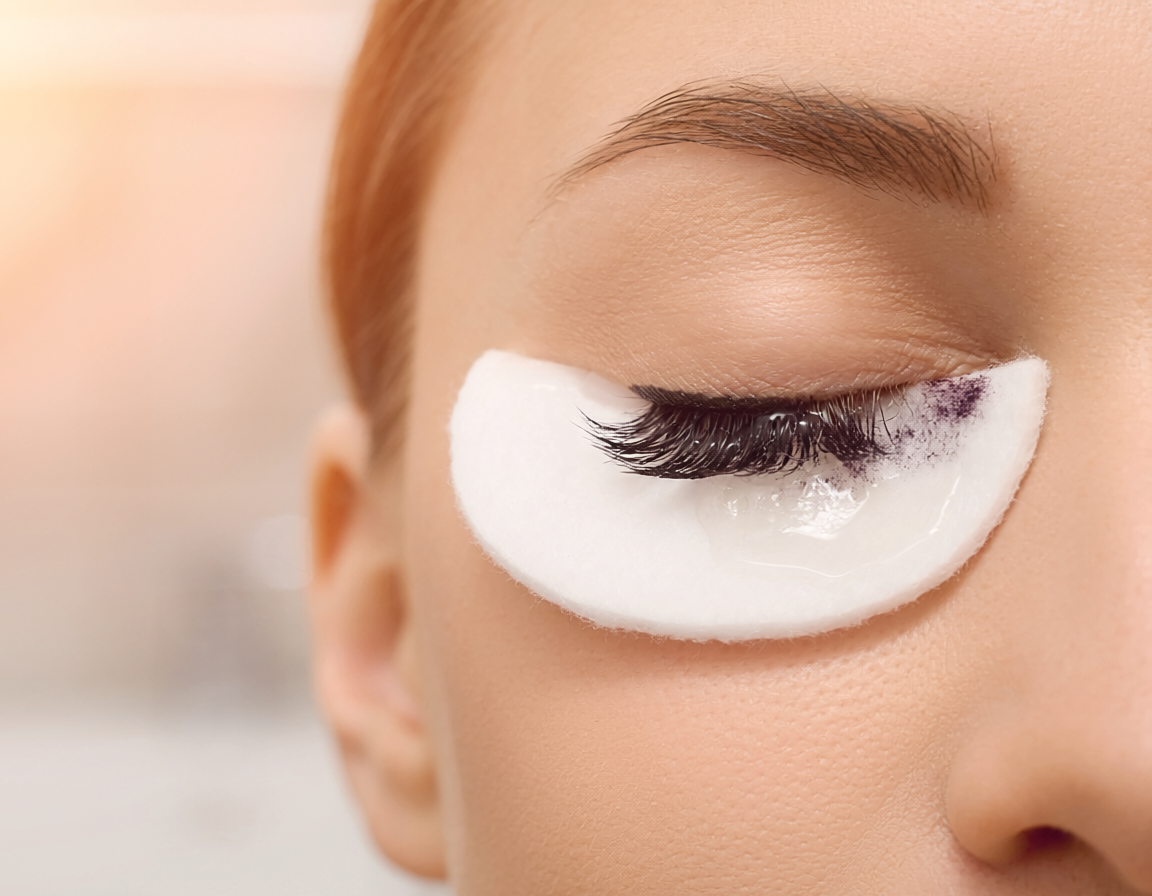
Waterproof mascara is designed to survive sweat, humidity, tears, and rain without budging. That same durability makes it the most frequently cited frustration in makeup removal and the reason most people have, at some point, rubbed their eyes until the lashes looked defeated and the skin underneath was red and irritated. The wipe did not work, or it worked only partially, and they compensated with friction.
The honest answer to whether makeup wipes remove waterproof mascara is: some do, most struggle, and the ones that do work rely on specific chemistry that most wipe labels do not clearly explain. The technique matters almost as much as the formula and a single fifteen-second change to the removal process can turn a wipe that seems ineffective into one that handles waterproof mascara cleanly and gently.
This guide covers the chemistry of waterproof mascara resistance, the three formula categories and how each performs, the pre-soak technique that changes the result without changing the product, and what to look for on Canadian wipe packaging when waterproof removal is a consistent need.
Why Waterproof Mascara Is So Hard to Remove: The Chemistry
Understanding why waterproof mascara resists removal explains why some wipes work and others do not. Waterproof mascara is formulated with three ingredient categories that work together to create resistance to water and mechanical removal.
The first is film-forming polymers compounds like acrylates copolymer that create a flexible, continuous film over each lash fibre. This film is what gives mascara its stay-put property; it is the same mechanism used in waterproof sunscreen and long-wear foundation. Once dried on the lash, a polymer film requires a solvent that can penetrate and break it down water alone cannot do this.
The second is waxes carnauba wax, beeswax, or synthetic alternatives that provide body, coverage, and resistance to smudging. Waxes are oil-soluble, not water-soluble. A water-based cleanser moves around wax rather than dissolving it; an oil-based ingredient dissolves it because of the fundamental chemistry principle that like dissolves like: oil-soluble compounds are broken down by other oil-soluble compounds.
The third is isododecane or similar volatile silicone or hydrocarbon solvents, which act as carriers for the pigment and help the formula spread and adhere during application. These compounds also contribute to the formula’s resistance to water-based removal.
The practical implication: a wipe formula without any oil-based or emollient component has virtually no mechanism to dissolve waterproof mascara chemistry. It can loosen surface pigment but cannot break the polymer film or dissolve the wax base. The result is partial removal that requires rubbing to compensate which is where the lash and skin damage comes from.
The Three Formula Categories: Which Works, Which Struggles
Not all makeup remover wipes are created equal when it comes to waterproof mascara. The formula category determines the removal mechanism and therefore the result:
Formula type | Waterproof mascara? | Why it works / struggles | Best use case |
|---|---|---|---|
Water-based wipe (no oil, no micellar) | ✗ Struggles | Water cannot dissolve oil-soluble polymers and waxes in waterproof formula | Light, non-waterproof makeup only. Refreshing and cleansing but not designed for waterproof removal |
Micellar wipe | ⚠ Partial | Micelles attract oils but at lower concentration than dedicated oil-based formulas | Works on some waterproof mascaras with pre-soak technique. Better for light-to-medium waterproof formulas |
Oil-enriched or emollient wipe | ✓ Effective | Oil dissolves the wax and polymer bonds in waterproof formula 'like dissolves like' chemistry | Best for heavy waterproof mascara wearers. May leave slight residue requiring rinse or follow-up |
Dual-phase / biphasic wipe (oil + water) | ✓ Most effective | Combines oil-phase dissolution with water-phase suspension for thorough, residue-free removal | Best all-round for waterproof makeup including heavy mascaras. Shake before use. |
Micellar wipe + pre-soak technique | ✓ Good | Pre-soaking for 15 seconds multiplies the contact time and allows micelles to work on the bond | The technique upgrade that makes a standard micellar wipe work on waterproof mascara |
The formula type is not always obvious from the front-of-pack marketing. Reading the ingredient list for the presence of oils (e.g. cyclopentasiloxane, caprylic/capric triglyceride, isopropyl myristate, sunflower oil) versus a purely water and glycerin base tells you which category a wipe falls into.
The Pre-Soak Technique: The Single Change That Makes the Biggest Difference
The most impactful upgrade available to anyone removing waterproof mascara with a wipe is a change in technique, not a change in product. Most people use a wipe on their eyes the same way they use it on their face: press and wipe in a single motion. For non-waterproof makeup, this works well. For waterproof mascara, it is the least effective possible approach.
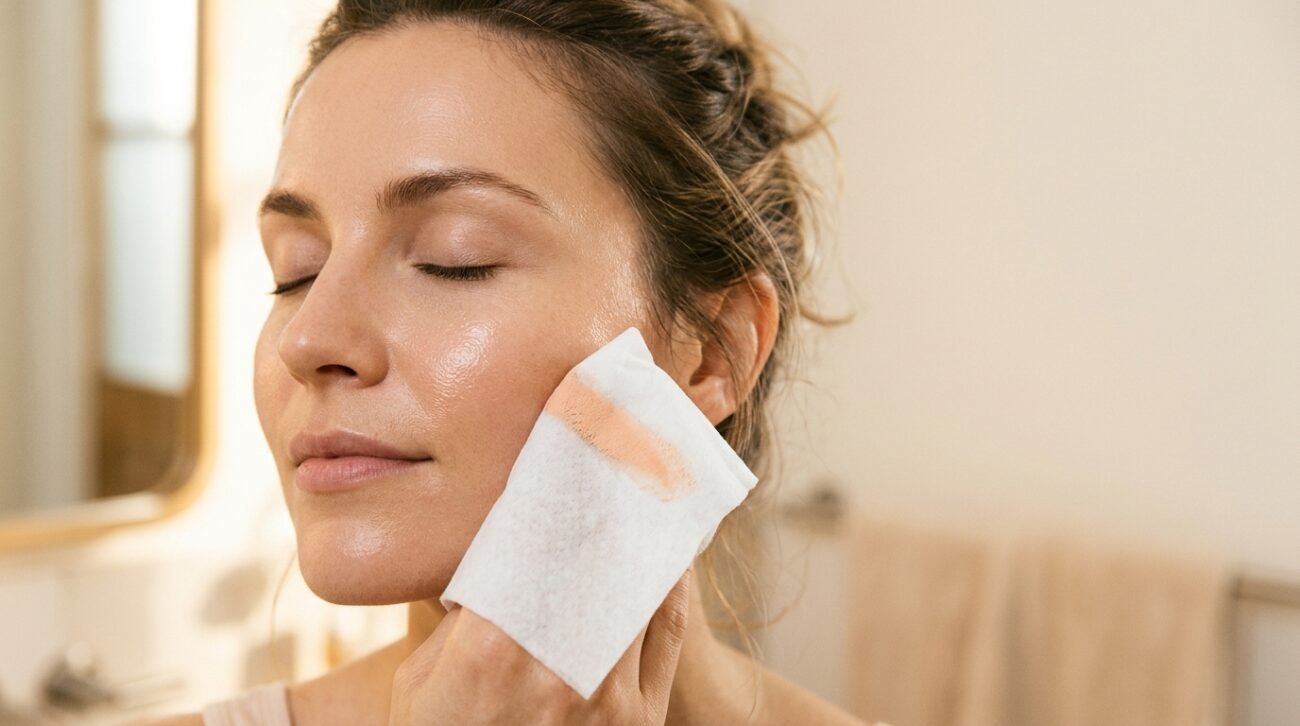
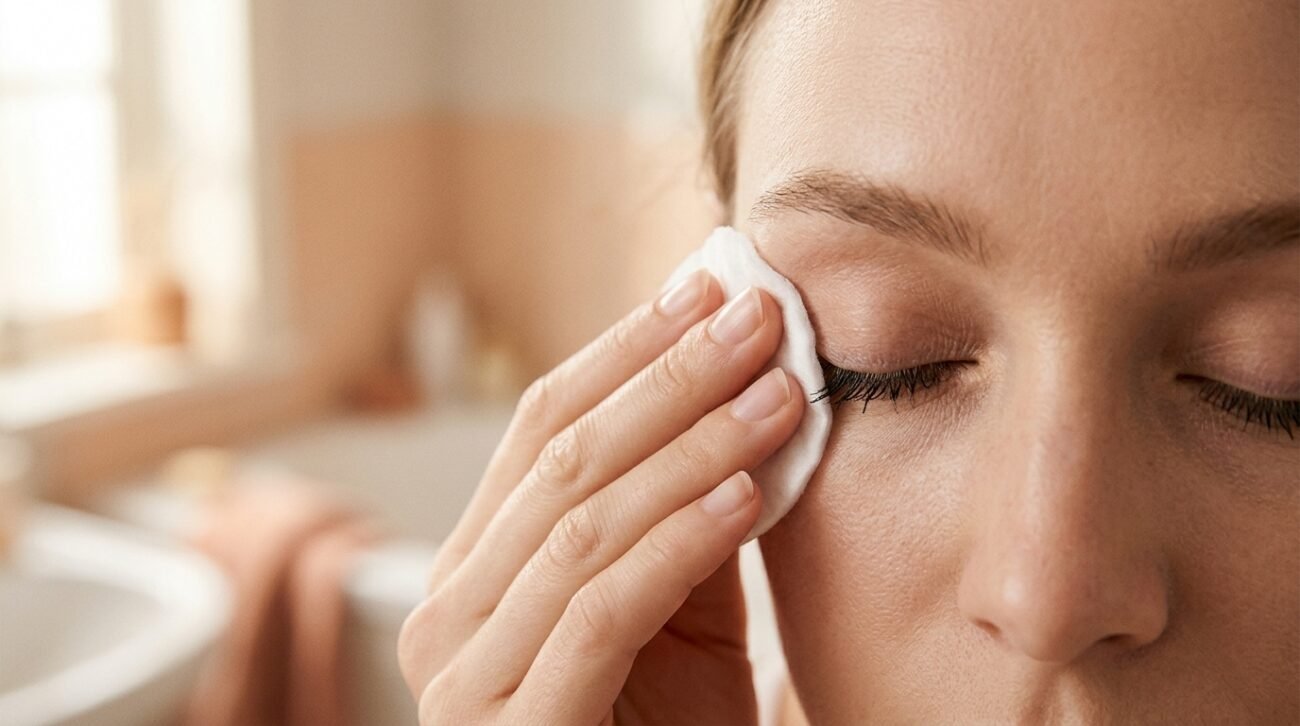
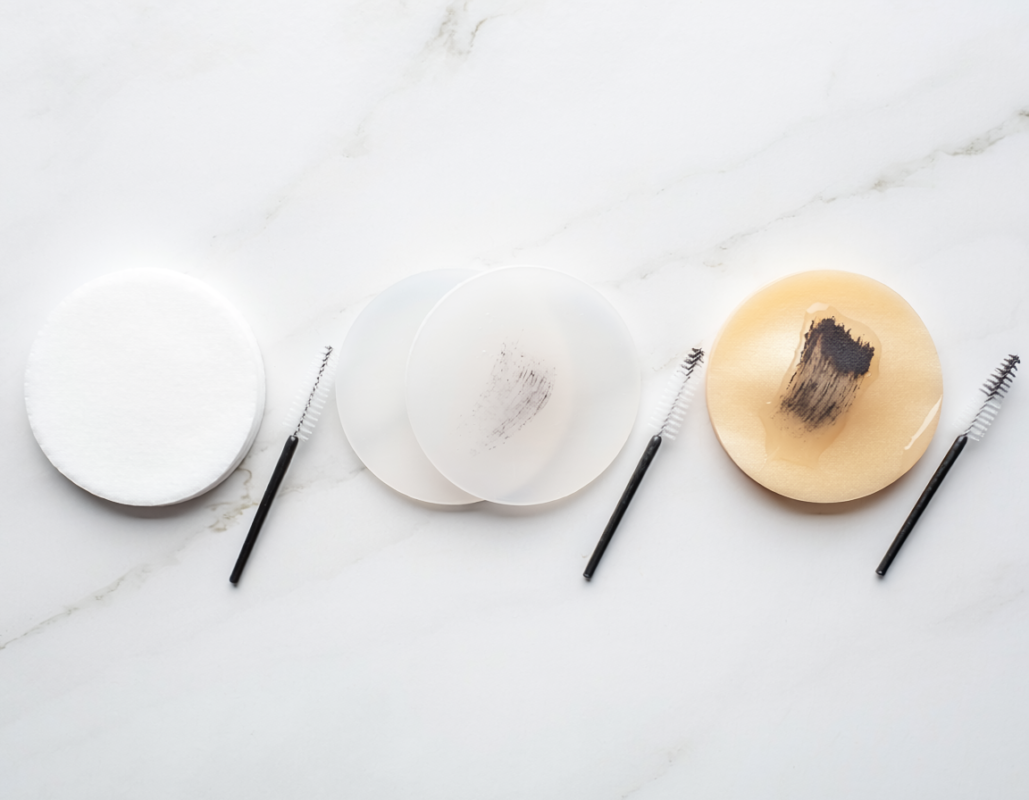
The pre-soak technique works differently. Instead of wiping immediately, the soaked wipe is pressed gently against the closed eye and held there without any wiping motion for fifteen to thirty seconds. During this time, the cleansing agents in the wipe are in sustained contact with the mascara film, beginning to soften the polymer bonds and dissolve the wax base without any mechanical assistance.
After the pre-soak, the mascara has already partially detached from the lash fibres. A single gentle downward stroke following the direction lashes grow rather than across them removes most of the mascara cleanly. A second pass with a fresh section of the wipe clears the remainder without rubbing.
The difference in outcome between the standard wipe-immediately approach and the pre-soak approach on the same product is significant enough that many people who have concluded their wipe “does not work” on waterproof mascara have actually been using it incorrectly rather than using the wrong product. Trying the pre-soak technique before switching products is the right sequence.
The Lash Damage Problem: Why Technique Matters More Than Most People Realise
Lashes have a growth cycle of four to eight weeks. Unlike scalp hair, individual eyelashes that fall out do not grow back instantly the follicle completes its cycle and a new lash emerges over several weeks. Repeated mechanical stress on lashes the rubbing and tugging that comes from aggressive waterproof mascara removal accelerates lash shedding beyond the normal cycle rate, which cumulatively thins the lash line over time.
This is separate from the skin damage that comes from rubbing the delicate periorbital skin, which has its own cumulative effects on fine lines and skin laxity around the outer eye. The removal technique is the variable that controls both: the pre-soak reduces the mechanical work required, which protects both the lashes and the skin regardless of which formula is being used.
The right technique for waterproof mascara removal in full is:
- Press the soaked wipe against the closed eye and hold for 15–30 seconds without wiping
- Use a single gentle downward stroke following the lash growth direction
- Use a fresh section of wipe or a new wipe for a second pass if needed
- Never rub in circular motion or scrub across the lash line
- Use a separate wipe section or separate wipe for each eye to avoid cross-contamination
What to Look for on the Packaging
When buying a makeup remover wipe specifically for waterproof mascara, the following label signals tell you whether the product has been formulated for this job:
- Explicitly states waterproof mascara removal Not all wipes make this claim, and those that do have typically been tested against waterproof formulas. This is the clearest signal on the front of the pack.
- Oil-enriched, biphasic, or dual-phase formula These terms in the product name or description confirm the presence of oil-soluble ingredients that can dissolve waterproof mascara chemistry. A purely micellar or water-based formula without this descriptor will struggle on heavy waterproof formulas.
- Ophthalmologist-tested For a product used on and around the eye, this certification confirms the formula has been evaluated specifically for eye-area safety particularly relevant when formula ingredients like oils and emollients are involved.
- No need to rub or references gentle removal A wipe marketed on the basis of requiring minimal rubbing for waterproof removal has been formulated with sufficient oil-based chemistry to do the chemical work before mechanical work begins. This is the product behaviour you want.
- Suitable for sensitive eyes or contact lens wearers (if relevant) For wearers of lash extensions or contact lenses, look for oil-free despite the waterproof removal claim dual-phase formulas that are oil-free in the conventional sense but use a different lipid chemistry for waterproof removal do exist and are specifically formulated to be extension-safe.
How H&H Makeup Remover Wipes Perform on Waterproof Mascara
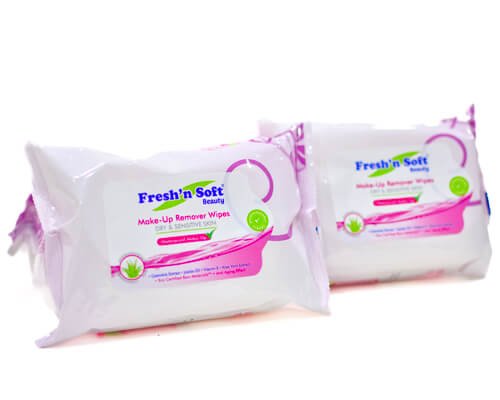
Health & Hygiene Inc.’s makeup remover wipes are formulated for daily gentle removal of face and eye makeup, including mascara, on dry/sensitive and normal/combination skin types. For standard mascara and everyday eye makeup, they perform well with the pre-soak technique. For heavy waterproof mascaras particularly film-forming long-wear formulas from Korean or Japanese brands known for extreme staying power a dual-phase or oil-enriched formula specifically designed for waterproof removal will deliver better results in fewer passes.
For Canadian shoppers who wear waterproof mascara daily, the practical recommendation is: use H&H makeup remover wipes for everyday face and non-waterproof eye makeup, and keep a dual-phase eye makeup remover (available at Shoppers Drug Mart in brands like Lancôme Bi-Facil or L’Oréal Paris Micellar Oil) specifically for the waterproof mascara step. This two-product approach is more effective than trying to handle all removal with a single wipe.
Browse the full H&H makeup remover range in our makeup removal collection, or read our full guide to choosing the right wipe for your skin type in Best Makeup Remover Wipes for Sensitive Skin in Canada (2026 Ranked).
When Wipes Are Not the Right Tool for Waterproof Mascara
There are situations where a wipe is genuinely not the best tool for waterproof mascara removal, and knowing when to reach for something else saves both time and lash damage:
- Very heavy or layered waterproof mascara Multiple coats of a film-forming waterproof formula build up a thick polymer layer that even oil-enriched wipes struggle with in a single pass. A cleansing oil or cleansing balm applied to dry lashes and massaged in for thirty seconds dissolves the heaviest mascara films more completely than any pre-moistened wipe format.
- Lash extensions Oil-based removal dissolves lash extension adhesive. For extension wearers, the correct removal tool is an oil-free micellar wipe or a product specifically formulated and labelled as lash-extension safe.
- Tightline or waterline liner Liner applied inside the waterline requires a cotton bud or a saturated cotton pad pressed against the waterline, not a full-size wipe. The geometry of waterline removal does not suit the flat-pad format of most makeup remover wipes.
Frequently Asked Questions
Do micellar wipes remove waterproof mascara?
Micellar wipes can remove waterproof mascara with the pre-soak technique, particularly lighter waterproof formulas. For heavy, film-forming waterproof mascaras, a dual-phase or oil-enriched wipe works more reliably in fewer passes with less mechanical effort. Applying the pre-soak technique to a micellar wipe is always the right starting point before concluding the product does not work.
Why does my mascara smear instead of lifting when I wipe?
Smearing rather than lifting is the classic sign of a water-based formula without sufficient oil-soluble chemistry meeting a wax-based waterproof mascara. The wipe is dispersing the mascara rather than dissolving it. Try the pre-soak technique first; if smearing continues, the wipe formula lacks the oil-based component needed for this job.
Is it bad to rub waterproof mascara off?
Yes, consistently. The lash growth cycle is four to eight weeks repeated mechanical stress from rubbing accelerates lash shedding beyond the normal rate, gradually thinning the lash line. The periorbital skin around the eye is also the thinnest on the face and the most susceptible to cumulative friction-related laxity. Technique (pre-soak, then gentle strokes) protects both.
Can I use coconut oil to remove waterproof mascara?
Coconut oil is an effective waterproof mascara solvent and is gentle on lashes the oil-based chemistry dissolves the wax and polymer components readily. It is not a registered makeup remover or skin care product and leaves an oily residue that requires a rinse-off cleanser. As an occasional alternative when no suitable wipe is available, it is safe for most skin types; avoid if acne-prone since coconut oil is comedogenic.
What is the gentlest way to remove waterproof mascara in Canada?
A dual-phase or micellar wipe used with the pre-soak technique (15–30 seconds pressed against the closed eye before any wiping motion) is the gentlest method available in a single-step, no-rinse format. For very heavy waterproof formulas, a cleansing oil or cleansing balm applied to dry lashes and massaged gently before rinsing is even gentler because it requires the least mechanical friction of any method.
Makeup wipes can remove waterproof mascara but only if the formula contains oil-soluble or emollient ingredients that can dissolve the polymer and wax chemistry of waterproof formulas, or if a micellar formula is given sufficient contact time through the pre-soak technique to work. A water-based wipe without these components will smear rather than dissolve waterproof mascara regardless of how hard you rub.
The pre-soak technique holding the wipe against the closed eye for fifteen to thirty seconds before any wiping motion is the single most impactful change available to anyone removing waterproof mascara. It works on any formula, reduces the mechanical effort required to remove the mascara, protects lash and periorbital skin from friction damage, and costs nothing.
Browse the full makeup remover wipe range for both dry/sensitive and normal/combination skin in our makeup removal collection, or read our complete skin-type guide in Best Makeup Remover Wipes for Sensitive Skin in Canada (2026 Ranked).