

Bulk Disinfecting Wipes for Schools and Daycares in Canada

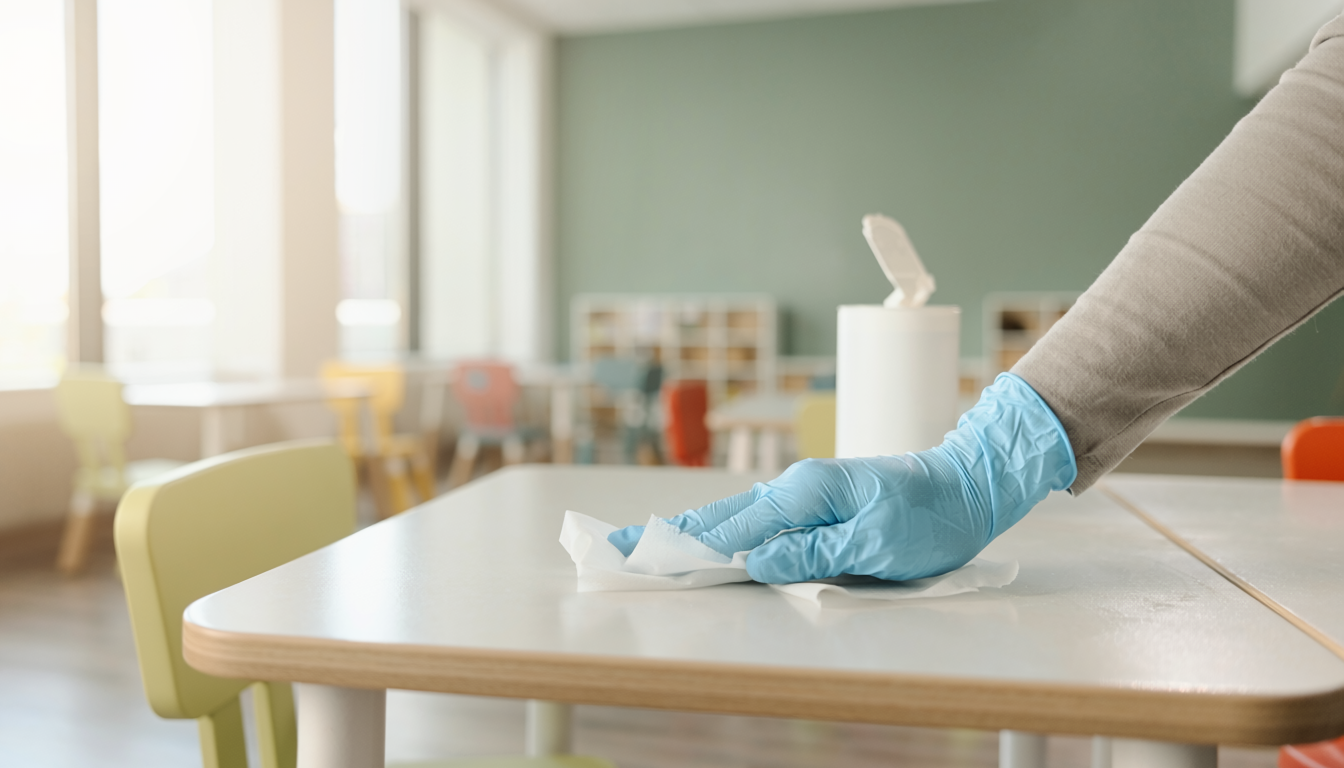
Every weekday, hundreds of children arrive at daycares and schools across Canada, share surfaces, share toys, share bathrooms, and go home to their families. The infection control environment that greets them each morning is not incidental to their health outcomes — it is one of the most direct levers an early childhood education centre or school has for reducing the illness-related absences, staff sick days, and parent trust erosion that come with inadequate surface hygiene.
Disinfecting wipes are the most practical tool for the high-frequency, multi-surface cleaning that childcare and school environments require. But in Canada, not just any wipe qualifies. Public health authorities across multiple provinces have confirmed that disinfecting products used in schools and daycares must carry a Health Canada Drug Identification Number — and the formula choice matters specifically because children are physiologically more vulnerable to chemical exposure than adults. This guide covers both requirements: the regulatory standard and the formula criteria that make a wipe appropriate for environments where children spend their days.
The Canadian Regulatory Requirement: DIN Is Mandatory
Three separate Canadian public health authorities are explicit on this point. Northwestern Health Unit’s cleaning protocol for schools and child care settings states: only use cleaning and disinfectant products that have a Drug Identification Number. Ottawa Public Health’s environmental cleaning guidance for child care centres and schools confirms: all-in-one cleaning/disinfecting products must contain a DIN from Health Canada. The Niagara Region’s Child Care Manual states: the disinfectants you use at your centre should have a Drug Identification Number on the product label a DIN indicates that Health Canada has established it to be safe and effective for its intended use as a disinfectant.
This is not a recommendation. It is the standard that public health inspectors apply when reviewing infection control practices at licensed childcare facilities, and it is the standard school board infection control policies are built on. Using a product without a DIN in a licensed daycare or school even a product marketed as natural, non-toxic, or child-safe creates a compliance gap that creates regulatory exposure for the facility and its operator.
The DIN check is straightforward: look for an 8-digit number preceded by the letters DIN on the product label. This number can be verified against Health Canada’s drug product database. Any disinfecting wipe under procurement consideration for a Canadian school or daycare should clear this check before any other evaluation criterion is applied.
Why Children Are More Vulnerable to Disinfectant Chemical Exposure
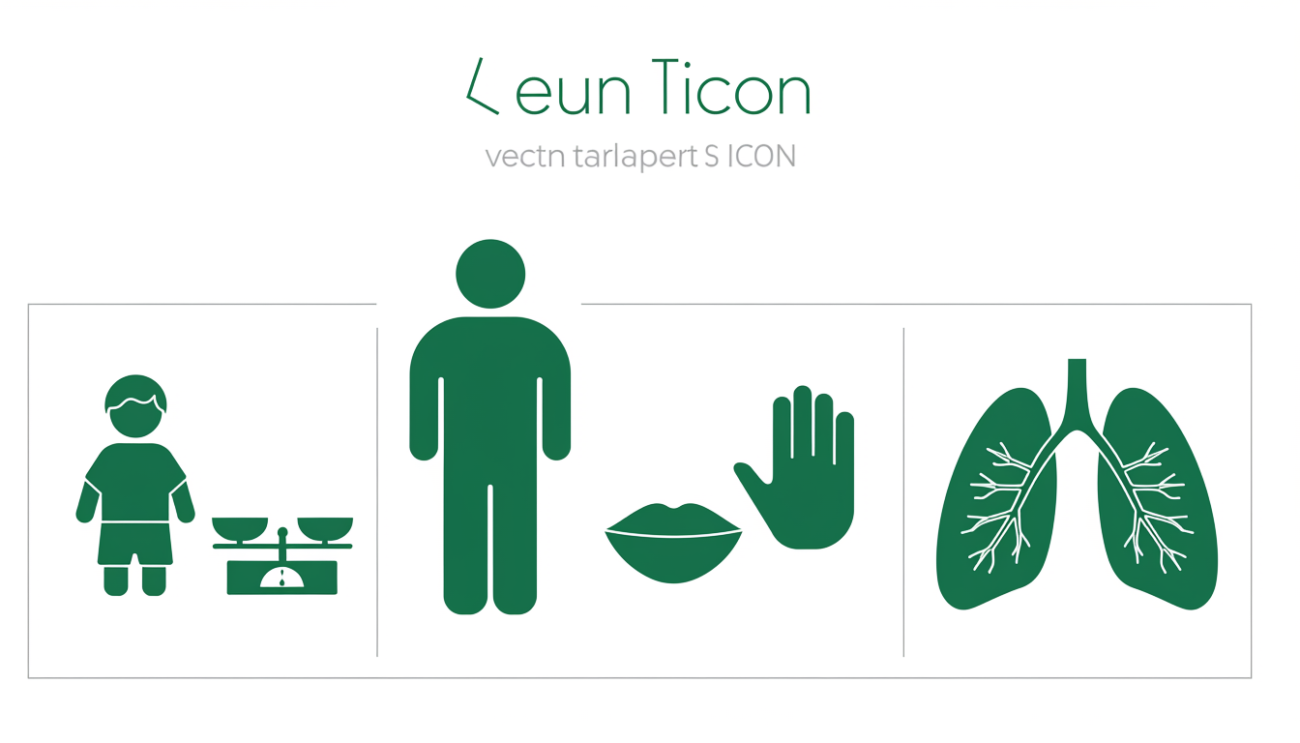
The formula criteria for a childcare disinfecting wipe go beyond what is appropriate for a general commercial or household setting because children are not simply smaller adults in their response to chemical exposure. Three physiological differences make children uniquely vulnerable to disinfectant residues and airborne compounds in their environment:
- Higher body-weight exposure ratio Children eat, drink, and breathe proportionally more per kilogram of body weight than adults. A chemical residue that an adult metabolises with minimal effect may reach a proportionally higher concentration in a child’s system from the same exposure event. This is why Health Canada and provincial public health frameworks both emphasise low-toxicity formulas for childcare settings rather than simply assuming products safe for adults are safe for children.
- Hand-to-mouth behaviour Young children particularly those under five touch surfaces constantly and bring their hands to their mouths as a normal developmental behaviour. A residue left on a surface by a disinfecting wipe that was not approved for food-contact surfaces can be transferred from surface to hand to mouth repeatedly throughout the day. This ingestion pathway is the primary reason food-contact surface approval without a rinse step is not optional in childcare settings it is the minimum standard for any surface a young child will contact and subsequently mouth.
- Developing respiratory systems Children’s lungs are still developing and are more sensitive to airborne chemical compounds than adult lungs. Strong alcohol vapour, bleach fumes, and synthetic fragrance compounds in enclosed classroom and playroom environments affect children disproportionately. One Toronto daycare cited in a 2025 case study switched from bleach-based products to gentler registered alternatives after persistent complaints about harsh chemical smells and subsequently reported a reduction in cold-related absences. Fragrance-free and alcohol-free formula choices directly reduce this airborne exposure in enclosed childcare environments.
Formula Criteria Specifically for Schools and Daycares
Given the three vulnerabilities above, the formula profile for a disinfecting wipe appropriate for regular use in a Canadian school or daycare has five non-negotiable characteristics:
- Health Canada DIN registered As established above the baseline legal and regulatory requirement for any disinfectant used in a licensed childcare facility or school in Canada.
- Alcohol-free Eliminates the volatile organic compound vapour that accumulates in enclosed classrooms and playrooms. Also removes the flammability concern in settings where children are present and surfaces are wiped frequently throughout the day by staff.
- Fragrance-free Synthetic fragrance compounds are a documented trigger for asthma in children and a common source of respiratory irritation in school settings. A fragrance-free formula removes this risk entirely without any reduction in disinfecting performance.
- No bleach, no ammonia Both are respiratory irritants at the concentrations used in household cleaning products, and both are specifically called out in Canadian childcare cleaning guidance as inappropriate for routine use around children. Bleach also damages surfaces and fabrics with repeated use, and its fumes linger in enclosed spaces well after the cleaning activity is complete.
- Food-contact surface approved, no rinse required For snack tables, high chair trays, and any surface children eat from or place food on, the disinfecting wipe must be specifically approved for food-contact surfaces without a rinse step. In a busy childcare setting where staff are turning around rooms quickly between meal times, a rinse requirement is a step that will be skipped. The product itself needs to be safe to leave on a food surface not dependent on a rinse step being reliably executed under time pressure.
High-Touch Surface Priorities: Where Wipes Matter Most
The surface priority in a childcare or school setting differs from a household routine because the contamination vectors are different: children’s hand-to-mouth behaviour, the higher density of people sharing surfaces, and the presence of bodily fluid contact zones that are absent from most household environments.
Surface / area | Priority | Frequency | Protocol note |
|---|---|---|---|
Diaper change tables / surfaces | CRITICAL | After every change | Bodily fluid contact zone use registered DIN wipe, full contact time, allow to dry before next use |
Food / snack tables and high chair trays | CRITICAL | Before and after every meal | Must use food-contact-approved, no-rinse formula. Never use bleach or ammonia near food surfaces |
Toilet flush handles and taps | HIGH | Multiple times daily | Highest contamination density per square centimetre in any childcare facility |
Door handles (all interior doors) | HIGH | Multiple times daily | Children touch door handles at hand height frequent cleaning essential |
Hard plastic toys and play equipment | HIGH | Daily + after illness | Surface wipe only never submerge in disinfectant solution without checking toy compatibility |
Desks and tables (classroom) | HIGH | Between groups + end of day | Wipe full surface including edges; contact time must be met before children re-seat |
Light switches | MODERATE | Daily | High-touch but lower contamination density than taps and flush handles |
Cubbies and storage handles | MODERATE | Daily | Touched by children when arriving and departing high frequency at transition times |
Bathroom sink basins and counters | HIGH | Multiple times daily | High-use shared surface wipe exterior after every group bathroom visit |
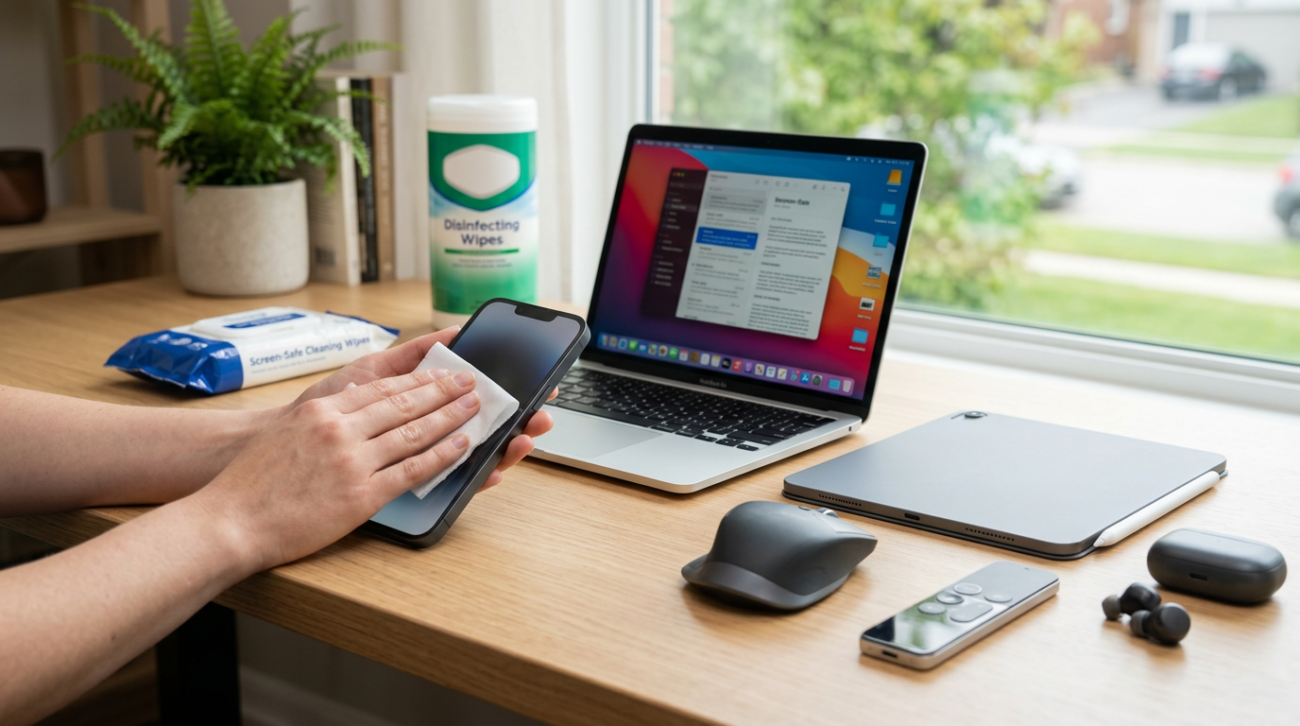
Shared electronics (tablets, keyboards) | MODERATE | Between groups | Use screen-safe wipe on display surfaces; disinfecting wipe on hard plastic casing only |
Waiting / reception area chairs and counter | MODERATE | Daily | Parent-contact zone lower child exposure but important for facility reputation and parent confidence |
All surfaces in the CRITICAL and HIGH rows should be cleaned with a registered DIN disinfecting wipe at the stated frequency. MODERATE surfaces can be managed on a once-daily basis in most settings, increasing to multiple times daily during outbreak conditions or illness periods
The Contact Time Challenge in Busy Childcare Settings
Contact time keeping a surface visibly wet for the duration stated on the product label is the variable that most frequently goes unmet in practical childcare cleaning, not because staff are negligent but because the operational pace of a childcare centre is genuinely fast. A staff member wiping down a change table between diaper changes has seconds, not minutes, to complete the task before the next child needs attention.
The Niagara Region Child Care Manual addresses this directly: in some cases, you may need to wipe or spray surfaces multiple times to achieve the contact time, as surfaces may dry quickly when disinfecting wipes are used on larger areas. Multiple wipes may be necessary to reach the required contact time. This is practical guidance that should be built into staff cleaning protocols, not left to individual staff judgement under time pressure.
Three practical measures help achieve contact time compliance in a childcare environment. First, choose an alcohol-free formula alcohol-free wipes evaporate significantly more slowly than alcohol-based products, naturally extending the wet-surface window without any additional effort from staff. Second, for large surfaces like change tables and snack tables, use two wipes applied sequentially to ensure the full surface stays wet. Third, build the contact time into the room turnover protocol explicitly: wipe the surface, move to the next task, and return to the wiped surface after the contact time has elapsed rather than wiping and immediately allowing children to re-contact the surface.
Bulk Supply Format: Why It Matters for Schools and Daycares
A household canister of 80 wipes is a practical format for a family bathroom. It is not a practical format for a daycare centre that uses 50 to 100 wipes per day across classrooms, bathrooms, and meal areas. The supply logistics of stocking, rotating, and reordering household-format wipes for a commercial childcare or school setting creates an unnecessary administrative burden and often leads to the kind of stock-outs that result in the wrong product being used as a substitute.
Bulk supply formats solve this at the procurement level: a single order covers weeks of supply, per-unit cost is significantly lower than retail packaging, and SDS documentation and product specifications can be provided with the order for inclusion in the facility’s infection control file. For licensed daycares and schools subject to public health inspection, having a bulk supplier relationship with documented product specifications and DIN confirmation is a cleaner compliance record than a collection of retail receipts for whatever was available at the pharmacy that week.
Volume estimation for a medium-sized daycare with three rooms, a bathroom block, and a meal area, following the protocol in the checklist above: approximately 60–80 wipes per day at standard operation, increasing to 100–120 during illness outbreaks or flu season. That is 1,200–1,600 wipes per month at standard operation roughly 15 to 20 standard 80-count canisters, or a single bulk case order covering three to four weeks of supply.
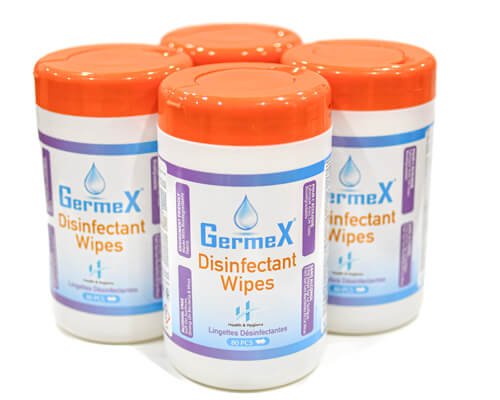
For Canadian schools, daycares, and childcare centres looking to set up a bulk supply account, request SDS documentation, or discuss volume pricing for multi-room facilities, our B2B and bulk ordering page covers the full process. GermeX disinfecting wipes are Health Canada DIN registered, alcohol-free, fragrance-free, bleach-free, and approved for food-contact surfaces without rinsing meeting every formula criterion for Canadian childcare use. For smaller facilities or initial evaluation orders, browse all available formats in our disinfecting wipes collection
Building a Compliant Disinfection Protocol for Your Facility
A documented cleaning protocol is the difference between a facility that is actually clean and one that can demonstrate it is clean during a public health inspection. The protocol does not need to be complex it needs to be specific, followed consistently, and recorded.
- Product documentation Keep a copy of the SDS for each disinfecting product used in the facility, along with the product’s DIN for reference. File this in the infection control binder alongside the cleaning schedule.
- Surface-specific frequency schedule Assign a specific cleaning frequency to each surface category from the checklist above. Post the schedule in each room so it is visible to all staff responsible for cleaning, not kept in an office binder no-one opens.
- Contact time instruction The cleaning schedule should specify the product’s contact time alongside the surface and frequency, so staff know how long to leave the surface wet. For surfaces that dry quickly, note that a second wipe application is required.
- Staff training record Document that all staff responsible for cleaning have been briefed on correct product use, contact time requirements, and the surfaces included in each cleaning cycle. This is the record a public health inspector looks for when assessing protocol compliance.
- Illness escalation procedure Specify what changes to the cleaning frequency and scope are triggered by a confirmed illness case in the facility. Doubling the frequency of high-touch surface disinfection during an outbreak is the standard response document it so the escalation is automatic rather than dependent on the right person making the right call under time pressure.
Frequently Asked Questions
Is it a legal requirement to use DIN-registered disinfectants in a Canadian daycare?
Yes, according to public health guidance from multiple Canadian provincial health authorities including Northwestern Health Unit, Ottawa Public Health, and Niagara Region. Licensed childcare facilities are subject to public health inspection, and the use of DIN-registered disinfectants is the stated standard. Using an unregistered product creates a documented compliance gap.
Can children use disinfecting wipes to clean surfaces?
No. Canadian and US public health guidance is consistent on this point: children should not use disinfectant wipes or handle disinfectant products. Disinfecting is a staff responsibility. Children can help with non-disinfectant cleaning tasks such as wiping surfaces with damp cloths or soap and water, which is appropriate for age-appropriate responsibility and does not involve registered disinfectant products.
Do we need to rinse surfaces after using disinfecting wipes on snack tables?
Only if the product you are using is not approved for food-contact surfaces without a rinse step. Many conventional disinfecting wipes require rinsing after use on food surfaces check the label specifically. GermeX is formulated and approved for food-contact surfaces without a rinse step, which is why it is recommended for childcare snack and meal surface use.
How many wipes does a daycare typically use per month?
A medium-sized daycare with three rooms following the surface checklist above uses approximately 1,200–1,600 wipes per month at standard operation, increasing to 1,800–2,400 during illness outbreak periods. Bulk supply ordering for a month’s supply at a time reduces per-unit cost and administrative restocking effort.
Can GermeX wipes be used on children’s toys?
On hard, non-porous plastic toys: yes, with full contact time followed by allowing the surface to dry completely before children handle the toy again. Soft toys, fabric items, and porous materials should not be cleaned with disinfecting wipes they require laundering or other appropriate cleaning methods. Never use any disinfecting wipe directly on a child’s skin or body.
Canadian schools and daycares are legally required to use Health Canada DIN-registered disinfectants confirmed by multiple provincial public health authorities and the formula choice matters specifically because children are more vulnerable to chemical exposure than adults in three distinct ways. An alcohol-free, fragrance-free, bleach-free, food-contact-approved registered disinfecting wipe meets both requirements: the regulatory standard and the child-safety formula criteria.
For facilities managing daily disinfection across multiple rooms and surfaces, bulk supply ordering is not just a cost consideration it is a logistics and compliance decision that supports consistent protocol adherence and cleaner documentation for public health review.
Set up a bulk supply account, request SDS documentation, or discuss volume pricing for your facility through our B2B and bulk ordering page. For initial evaluation orders or smaller facilities, browse the full range in our disinfecting wipes collection.