

Makeup Remover Wipes for Dry Skin What Actually Works

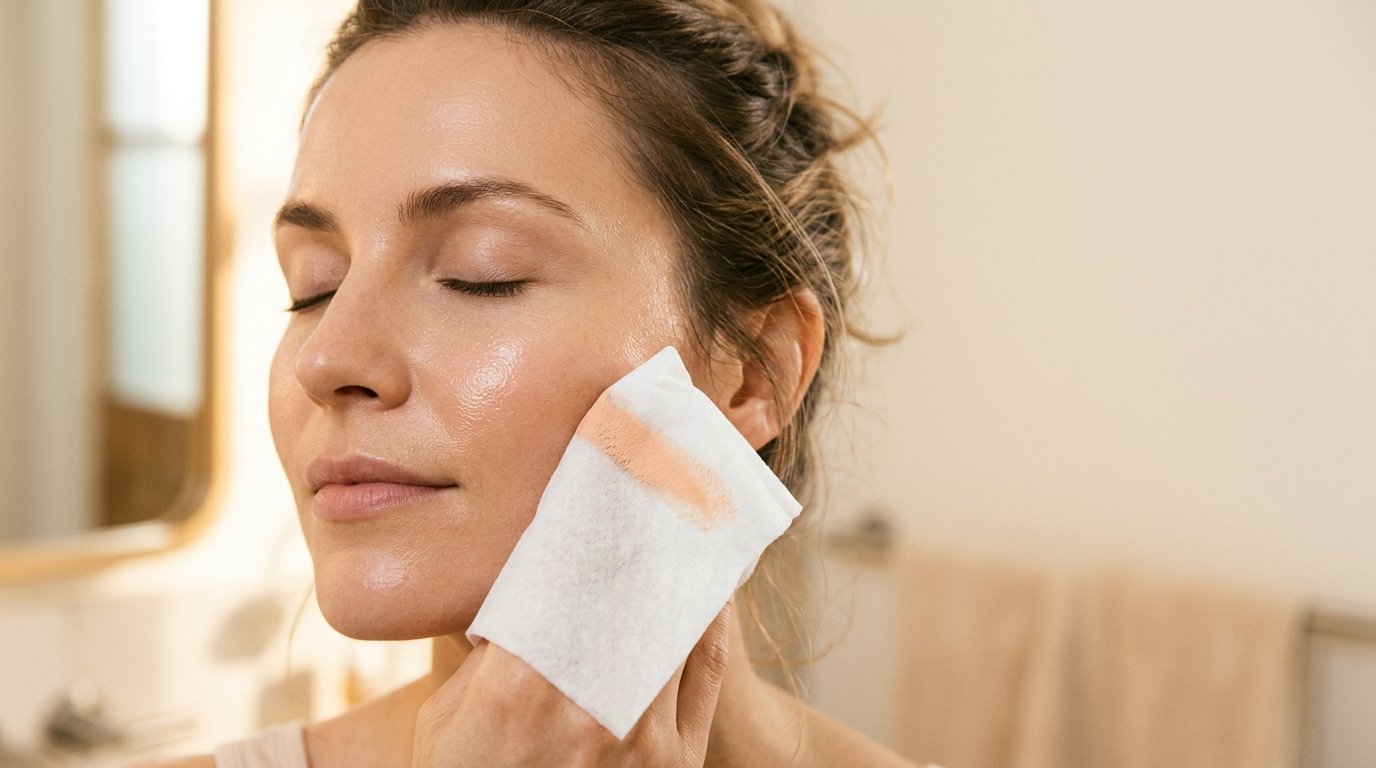
For most skin types, a makeup remover wipe is a convenience product. For dry skin, it is also a skincare decision. Every product that contacts dry skin either supports its moisture barrier or compromises it, and makeup removal happening every evening, often on skin that is already at its most depleted after a full day is one of the highest-frequency skincare interactions you have. The wrong wipe does not just remove makeup; it removes the moisture the skin was already struggling to retain.
This guide explains exactly why dry skin responds differently to makeup removers, which ingredients in a formula genuinely help versus actively worsen dryness, and what the best options look like for Canadian shoppers who want to wake up with skin that feels hydrated and comfortable rather than tight and parched. It covers the science first, then the shopping decisions, because understanding the why makes every choice in the aisle easier.
Why Dry Skin Responds Differently to Makeup Removers
Dry skin is not simply skin that needs more moisturiser applied from outside. It is skin whose barrier function the outermost layer’s ability to retain water and resist environmental depletion is structurally less effective than normal skin. The skin barrier is a lipid matrix composed primarily of ceramides, cholesterol, and free fatty acids. In dry skin, this lipid layer is thinner, less complete, and more easily disrupted by external chemical contact than in skin with normal sebum production.
The practical consequence is transepidermal water loss (TEWL) moisture evaporating through the skin surface rather than being retained in the layers where it contributes to plumpness, elasticity, and comfort. Dry skin has chronically elevated TEWL, which is why it feels tight after cleansing, flakes under makeup, and becomes uncomfortable in heated indoor environments or dry Canadian winters.
When a makeup remover wipe contacts dry skin, it introduces a formula that the skin’s compromised barrier has less capacity to resist. An ingredient like alcohol or a strong surfactant that normal skin recovers from in minutes can leave dry skin feeling stripped and uncomfortable for hours, because the barrier repair mechanism that resets normal skin after cleansing is slower and less effective in dry skin. This is why the same wipe that works for a friend with normal skin can leave dry skin feeling worse than before the makeup was removed.
The Ingredient Reference: What Helps, What Harms
The ingredient list on a makeup remover wipe is where the dry-skin decision actually gets made. Here is a complete reference covering the twelve most relevant ingredients for dry skin:
Ingredient | Effect on dry skin | Function | Look for / avoid |
|---|---|---|---|
Glycerin | ✓ Helps | Humectant draws moisture to skin surface | Look for it ideally in first 5 ingredients |
Hyaluronic acid | ✓ Helps | Binds water in skin layers, reduces TEWL | Look for it especially for very dry skin |
Ceramides (1, 3, 6-II) | ✓ Helps | Restores and reinforces skin barrier lipids | Look for it essential for barrier repair |
Aloe vera | ✓ Helps | Soothes, cools, and delivers light hydration | Look for it soothing and gentle |
Oat extract / colloidal oat | ✓ Helps | Anti-inflammatory, barrier-supporting | Look for it well-tolerated even by reactive dry skin |
Chamomile extract | ✓ Helps | Calms redness and soothes dry skin irritation | Look for it good supporting ingredient |
Ethanol / SD alcohol / isopropyl alcohol | ✗ Harms | Solvent strips barrier lipids, increases TEWL | Avoid worsens dryness with every use |
Sodium lauryl sulphate (SLS) | ✗ Harms | Surfactant disrupts moisture barrier aggressively | Avoid too harsh for dry skin daily cleansing |
Fragrance / parfum | ✗ Harms | Skin sensitiser triggers irritation and barrier stress | Avoid fragrance-free is essential for dry skin |
Methylisothiazolinone (MI) | ✗ Harms | Preservative contact sensitiser, irritating to dry skin | Avoid check INCI list specifically |
Witch hazel (high-alcohol form) | ⚠ Caution | Astringent drying when alcohol-based | Avoid alcohol-based; distillate form less drying |
Micellar surfactants (mild) | ✓ Helps | Lifts makeup without stripping moisture | Look for it the gentlest cleansing mechanism for dry skin |
TEWL = transepidermal water loss. Ingredients that reduce TEWL (glycerin, hyaluronic acid, ceramides) are actively supporting dry skin during the removal process. Ingredients that increase TEWL (alcohol, SLS, harsh surfactants) are making the dryness worse with every use.
What Dry Skin Actually Needs From a Makeup Remover
Translating the ingredient table into formula criteria: a makeup remover wipe for dry skin should do three things simultaneously. It should remove makeup effectively including eye makeup and foundation without requiring aggressive rubbing. It should deliver or retain moisture during the removal process rather than depleting it. And it should leave the skin barrier in the same or better condition than it found it, not in a more compromised state that requires recovery.
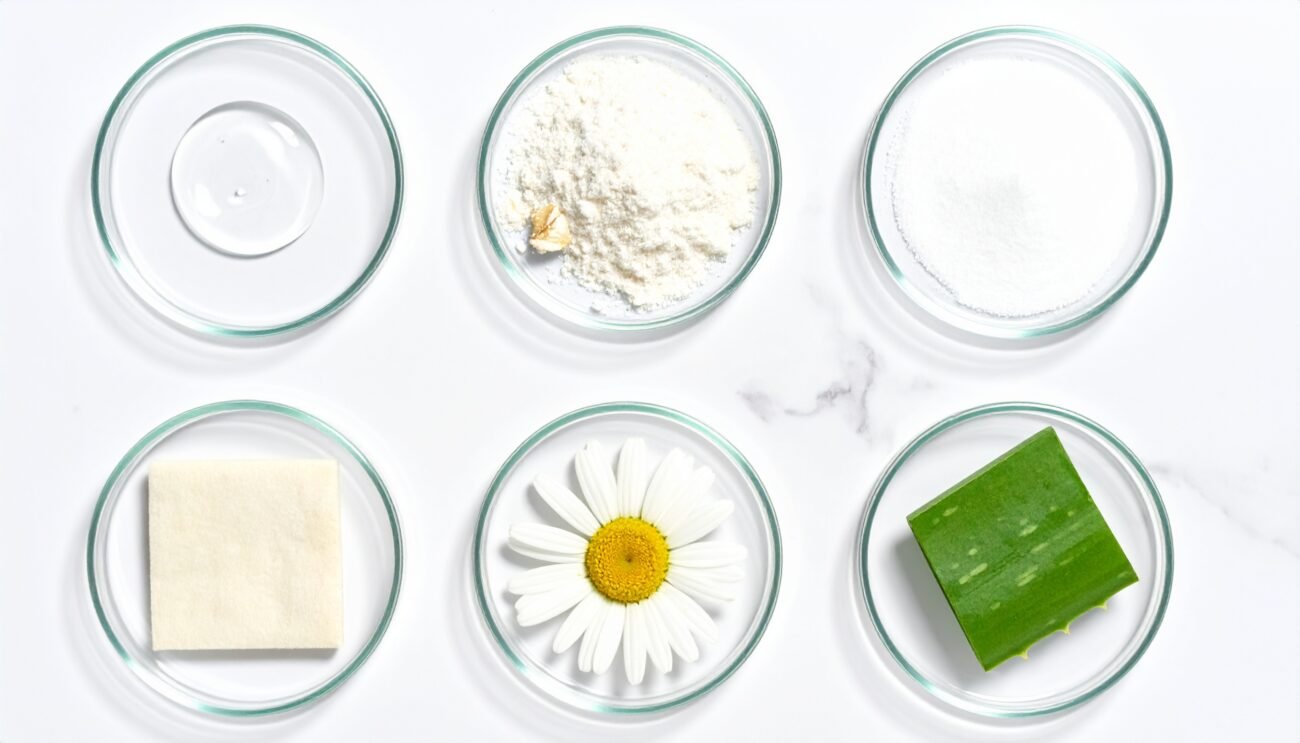
The formula profile that meets all three requirements has a recognisable pattern: mild micellar surfactants or a low-concentration emulsifier as the makeup-lifting mechanism, humectants like glycerin or hyaluronic acid to draw and hold moisture during and after the removal process, barrier-supporting ingredients like ceramides or oat extract to reinforce the lipid layer, and a complete absence of alcohol, SLS, and synthetic fragrance.
This is a different formula from a general “sensitive skin” wipe, which is primarily formulated to avoid irritants without necessarily adding hydrating or barrier-supporting actives. A wipe formulated specifically for dry skin goes further: it is not just removing ingredients that harm, it is actively including ingredients that help. The distinction matters in practice because dry skin often reaches the end of the day with a depleted barrier and needs makeup removal that supports, not just avoids harming.
- Drug Identification Number (DIN) An eight-digit number preceded by ‘DIN’ on the label. This is the primary signal. It confirms the product has been reviewed and registered by Health Canada as a disinfectant drug product. Verify it is present before anything else.
- Active ingredient with antimicrobial function The label will list an active ingredient typically benzalkonium chloride, thymol, hydrogen peroxide, or a quaternary ammonium compound at a specific concentration. This is the compound doing the disinfecting work. A product with only detergents, surfactants, or fragrance in its ingredient list is a cleaning product, not a disinfectant.
- Contact time A registered disinfectant will specify how long the surface must remain visibly wet for the kill claim to be met. This is usually stated in the directions for use: ‘allow to remain wet for X minutes.’ The contact time varies by product and pathogen some formulas work in 30 seconds, others require up to 10 minutes. If there is no contact time instruction, the product has not been formulated or tested as a disinfectant.
- Specific pathogen claims A registered disinfectant will name the specific organisms it has been tested and proven effective against often on the back of the label or in the product documentation. “Kills influenza A virus,” “effective against Staphylococcus aureus,” “virucidal against coronaviruses” are examples of specific kill claims. A general statement like “removes 99% of germs” without named organisms is not the same as a specific registered kill claim.
- Food-contact surface instructions (if applicable) A registered disinfectant will specify in its directions whether the product can be used on food-contact surfaces and whether a rinse step is required. This instruction only appears on products that have been tested for food-surface safety its presence confirms the product has gone through a more rigorous registration process than products without this specification.
Why Wipe Format Works Well for Dry Skin Specifically
The choice of makeup removal format matters more for dry skin than for other types, and pre-moistened wipes have a specific advantage worth understanding. The alternative applying micellar water or a cleansing solution to a dry or reusable cotton pad involves a variable saturation level that is hard to control consistently. An over-saturated cotton pad can deposit more active ingredient on the skin surface than intended; an under-saturated one requires more rubbing to compensate, which is mechanically damaging for thin, dry periorbital skin.
A pre-moistened wipe arrives at a calibrated saturation level that the manufacturer has determined is appropriate for the formula’s cleansing action. It requires less rubbing than a dry cotton pad with applied solution, delivers a consistent amount of formula per use, and is discarded after a single use eliminating the cross-contamination and cumulative-residue concerns that apply to reusable cloths used without a rigorous washing routine.
For dry skin specifically, the lower-rubbing requirement is the most important advantage. The mechanical friction of repeated passes to remove stubborn makeup is a source of barrier disruption independent of any ingredient interaction. A well-formulated wipe that lifts makeup chemically in fewer passes reduces this friction exposure, which cumulatively matters for skin that is already working harder than normal skin to maintain barrier integrity.
Label phrase | Disinfectant? | What it actually means |
|---|---|---|
DIN [number] Health Canada registered | ✓ Yes | The only verified Canadian signal. Kills specific pathogens at labeled contact time. |
Kills 99.9% of bacteria and viruses + DIN | ✓ Yes | Verified kill claim backed by Health Canada registration. Check the DIN is present. |
Kills 99.9% of bacteria and viruses (no DIN) | ⚠ Unverified | A marketing claim without regulatory verification. May or may not be accurate. |
Antibacterial | ⚠ Partial | Regulated to reduce bacteria but not necessarily kills viruses. Not a full disinfecting claim. |
Cleans and freshens | ✗ No | A cleaning product. Removes dirt and debris. Makes no pathogen kill claim. |
Multi-surface cleaner | ✗ No | Cleaning product. May also contain a mild antibacterial but is not a registered disinfectant. |
Removes 99% of germs | ✗ Not equivalent | Removing germs (physical cleaning action) is different from killing them (chemical disinfection). |
"Hospital-grade" (no DIN) | ⚠ Marketing only | A marketing descriptor with no regulated definition in Canada without an accompanying DIN. |
Natural / plant-based disinfectant (no DIN) | ⚠ Unverified | Ingredient origin doesn't verify kill claims. Needs DIN for verified Canadian disinfection standard. |
Contact time: X minutes | ✓ Good sign | Contact time listing suggests the product has been tested. Confirm DIN is also present. |
Top Picks for Dry Skin Makeup Remover Wipes in Canada
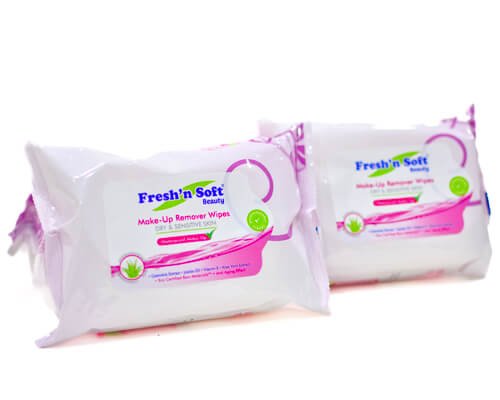
H&H Makeup Remover Wipes Dry & Sensitive Skin Formula
Health & Hygiene Inc.’s Makeup Remover Wipes for Dry and Sensitive Skin are specifically formulated for this skin type, with additional moisturising agents that address the hydration deficit that standard remover formulas ignore. The alcohol-free formula avoids the primary barrier-stripping mechanism, and the fragrance-free composition removes the sensitisation risk that fragrance-containing wipes carry for already-reactive dry skin.
Available in a six-pack format for Canadian shoppers, the multi-pack is practical for daily use without frequent restocking important for a product you are using every evening. The cost per use across a six-pack is lower than single-box pharmacy alternatives, making it the most economical choice for Canadian buyers who use a remover wipe consistently.
Available directly from our dry and sensitive skin makeup remover wipes with delivery across Canada.
CeraVe Hydrating Makeup Removing Plant-Based Wipes
CeraVe is the dermatologist-recommended ceramide brand most widely associated with dry skin treatment in Canada, and their makeup removing wipes bring the ceramide formula to the removal step rather than just the moisturiser. The three essential ceramides (1, 3, 6-II) in the formula actively support barrier repair during the cleansing process not just after, the way a follow-up moisturiser would. Glycerin provides humectant hydration, the plant-based wipe substrate is biodegradable, and the formula is fragrance-free, oil-free, and ophthalmologist-tested.
The CeraVe wipes are widely available at Shoppers Drug Mart, Walmart Canada, and Pharmaprix, making them the most accessible drugstore ceramide option for Canadian dry-skin shoppers. The 25-count format is practical for the medicine cabinet, and the biodegradable substrate is a genuine environmental advantage over conventional synthetic wipes.
Bioderma Sensibio H2O Wipes
Bioderma’s Sensibio line is built around a formula designed to mimic the skin’s own biology, using fatty acid esters as the micellar component rather than the harsher surfactants used in many conventional removers. For dry skin that is also reactive, the ultra-mild formula reduces the risk of irritation-triggered barrier stress a cycle common in dry skin where irritation causes inflammation, which further compromises the barrier, which increases dryness. Fragrance-free, ophthalmologist-tested, and widely recommended by Canadian dermatologists for reactive dry skin.
Simple Micellar Makeup Remover Wipes
Simple is the accessible, widely available option for dry skin across Canadian grocery and pharmacy chains. The formula uses Vitamins B and E alongside triple-purified water, and the brand specifically positions the wipes as leaving no tightness or dryness the two most common dry-skin complaints after makeup removal. Fragrance-free, no artificial dyes, and no harsh chemicals. Not as intensive as the ceramide-containing CeraVe formula, but a solid, accessible everyday option for dry skin that is not severely dehydrated.
The Double-Cleanse Question for Dry Skin
The double-cleanse using a makeup remover first, then a gentle rinse-off cleanser is widely recommended in skincare communities and by dermatologists for thorough nightly cleansing. For dry skin, the question is whether the second step is necessary or whether it removes the hydrating benefit of the first step.
The answer depends on how heavy the makeup is and on the specific formula used. For light everyday makeup tinted moisturiser, mascara, light eye shadow a well-formulated hydrating wipe removes makeup thoroughly enough that a second cleanse is not strictly necessary, and skipping it preserves whatever barrier-supporting and hydrating benefit the wipe delivered. For heavy, long-wear foundation, waterproof products, or SPF that needs full removal, a second cleanse with a gentle, creamy non-foaming cleanser removes the residue without stripping what the first step deposited.
The key for dry skin is that if a second cleanse is used, it should be a creamy, low-lather formula not a foaming gel cleanser, which uses the same surfactant-based mechanism that worsens dryness. A wipe to remove the bulk of makeup, followed by a cream cleanser massaged in and rinsed with lukewarm water, is the double-cleanse sequence best suited to dry skin without compromising the barrier work the wipe started.
A Dry-Skin Makeup Removal Routine That Works
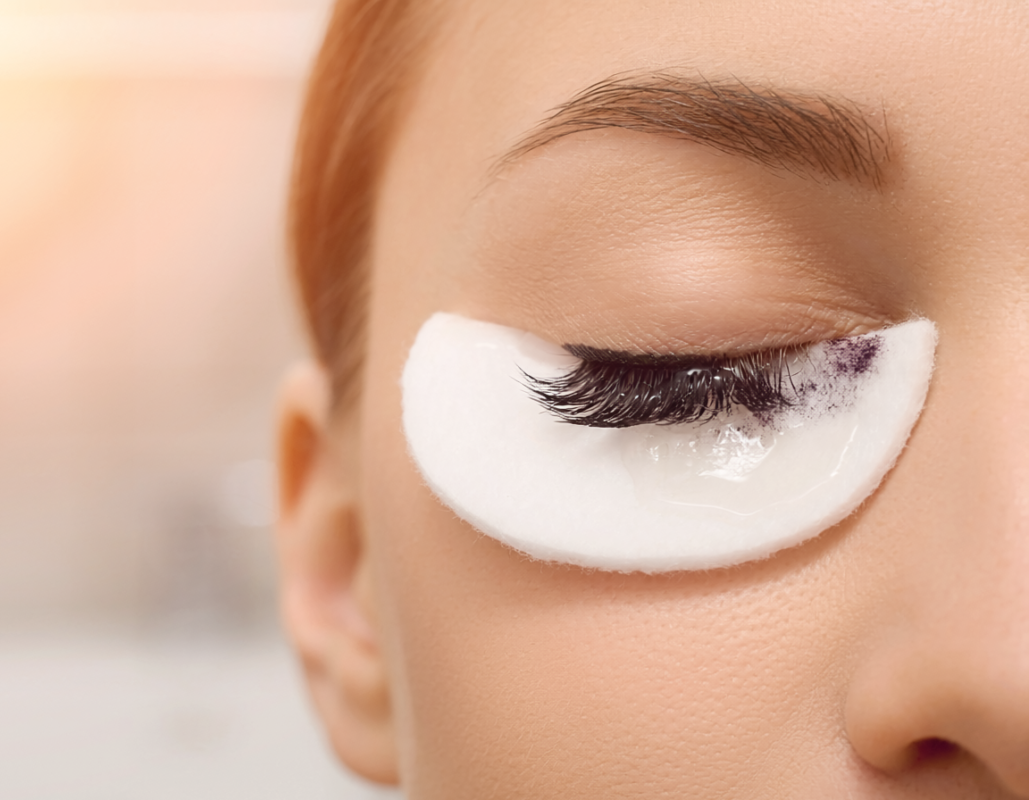
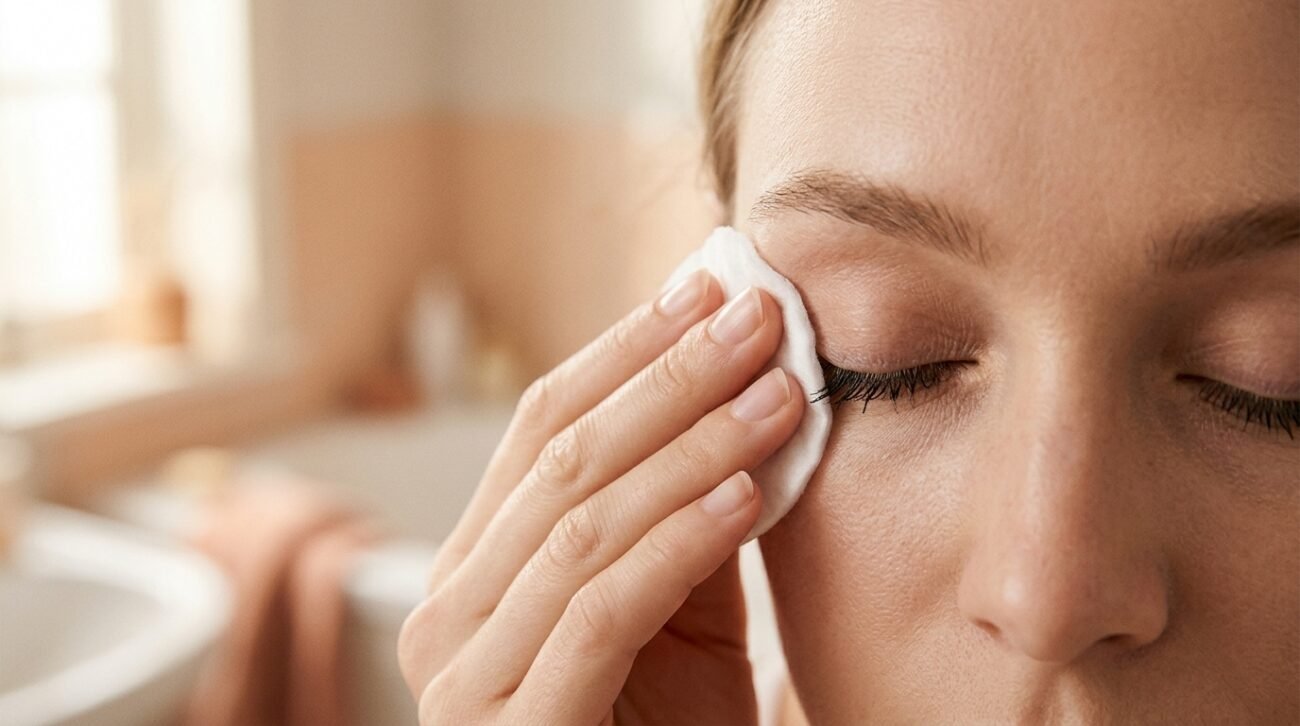
- Use a hydrating, alcohol-free, fragrance-free wipe as the first step Apply to dry skin. Press gently against eye area for 10–15 seconds before wiping to dissolve mascara without rubbing.
- Use gentle, uni-directional strokes, not circular scrubbing Circular scrubbing on already-fragile dry skin compounds the barrier disruption. Single passes in one direction are sufficient with a well-formulated wipe.
- Follow with a cream cleanser if wearing heavy makeup or SPF Choose a creamy, low-lather formula with no SLS. Apply to dry or damp skin, rinse with lukewarm water not hot, which increases TEWL.
- Apply a humectant serum or moisturiser immediately after cleansing Apply while skin is still slightly damp to lock in moisture before the TEWL acceleration that follows cleansing. Hyaluronic acid serum followed by a ceramide-containing moisturiser is the sequence most aligned with dry skin’s barrier-repair needs.
- Avoid the temptation to use more product to compensate for dryness If skin feels tight after using a wipe, the formula is wrong for your skin type more product of the same formula does not solve the problem. Switch to a wipe with ceramides and glycerin rather than increasing quantity.
Frequently Asked Questions
Why does my skin feel tight after removing makeup?
Tightness after makeup removal is the primary signal that the formula is stripping moisture from the skin surface faster than the barrier can compensate. It is almost always caused by one of three things: alcohol in the formula, a surfactant that is too stripping for dry skin, or rubbing that exceeds what the barrier can recover from. Switching to an alcohol-free, ceramide or glycerin-containing formula resolves tightness in most cases within a few days of consistent use.
Are oil-based makeup removers better for dry skin?
Oil-based removers are effective at dissolving makeup and do not dry the skin the way alcohol does, but they can leave a film that requires a water-based rinse to remove fully adding an additional cleansing step. For dry skin that tolerates oil, a cleansing oil or balm is an excellent alternative to wipes for in-bathroom use. Wipes are generally more practical for travel, bedside use, or situations where rinsing is not immediately possible.
Can I use a makeup remover wipe as my only cleanser at night?
For light everyday makeup without SPF, a well-formulated hydrating wipe cleans thoroughly enough that a second rinse-off cleanse is not strictly necessary. For SPF, long-wear or waterproof makeup, a follow-up cream cleanser is recommended for complete removal. Whether a second step is needed is a function of what you applied during the day, not a fixed rule about wipes.
What is the difference between the H&H dry/sensitive formula and normal/combination formula?
The dry and sensitive skin formula contains a higher proportion of moisturising agents humectants and barrier-supporting ingredients to address the hydration deficit characteristic of dry skin. The normal and combination formula is balanced for skin that does not have the same moisture-retention challenge and does not need the additional hydrating actives. Using the dry skin formula on normal or combination skin is not harmful, but using a normal-skin formula on dry skin may leave dryness unaddressed.
How many wipes do I need per day for daily makeup removal?
For a full face of makeup, one to two wipes is typically sufficient with a well-formulated hydrating wipe that lifts makeup effectively in fewer passes. Three or more wipes per use usually signals either a formula that is not lifting makeup efficiently, or a makeup load (heavy waterproof products) that benefits from a follow-up cream cleanser rather than more wipes.
Dry skin needs a makeup remover wipe that does more than remove makeup it needs one that supports the moisture barrier during the process rather than compromising it. The formula criteria are specific and consistent: alcohol-free, fragrance-free, SLS-free, with glycerin or hyaluronic acid for humectant hydration, and ceramides or oat extract for barrier support. These ingredients are not a luxury specification for dry skin; they are the minimum requirement for a formula that does not leave skin worse than it found it.
In Canada, the options that meet this standard across different price points are CeraVe for ceramide-rich drugstore access, Bioderma Sensibio for reactive dry skin requiring the mildest possible formula, Simple for accessible everyday use, and Health & Hygiene’s dry and sensitive formula for a cost-effective multi-pack that addresses the hydration requirement specifically.
Browse our Makeup Remover Wipes for Dry and Sensitive Skin formulated specifically for the moisture-retention needs of dry skin, available in a six-pack for daily Canadian use. Or explore the full makeup removal collection for both skin type formulas.