
Disinfecting Wipes Actually Kill Viruses? The Science Explained

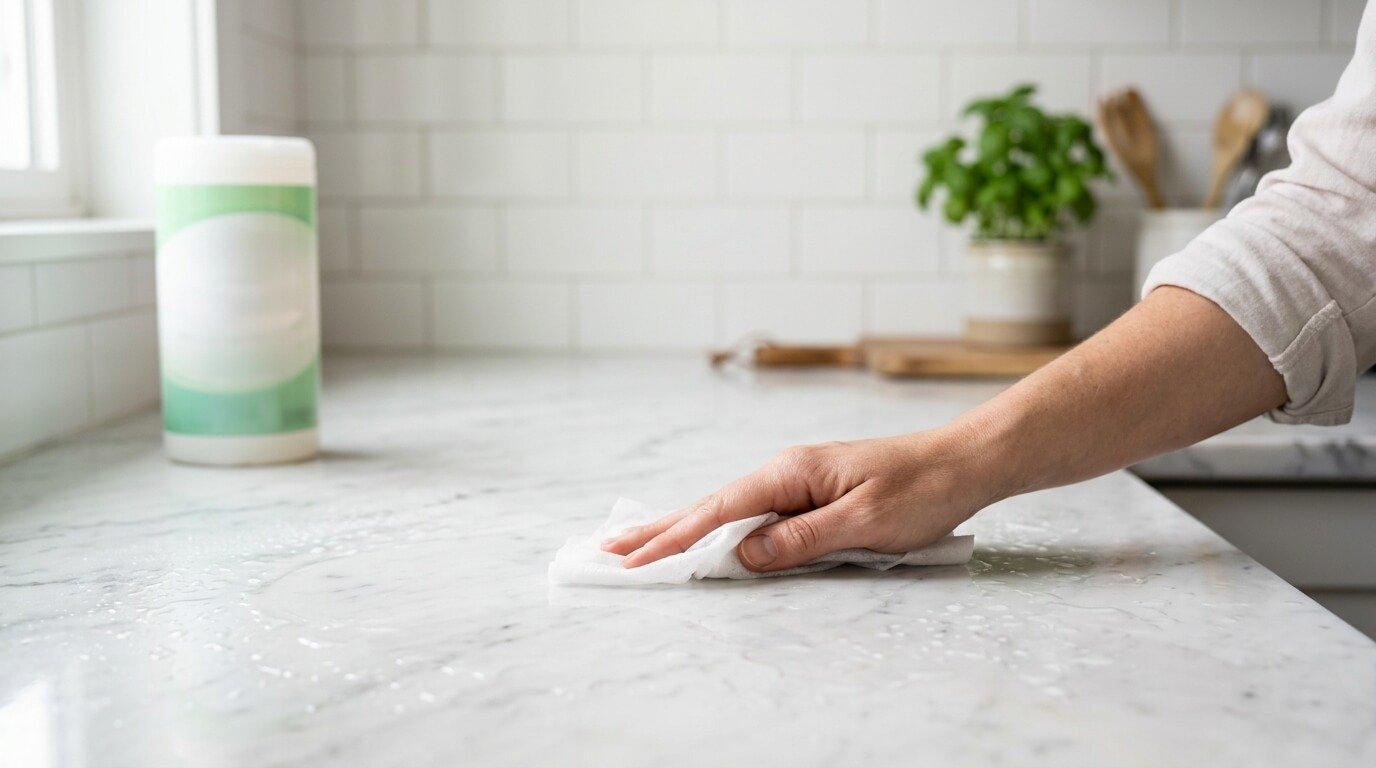
Every household and clinic in Canada relies on disinfecting wipes for one simple promise: wipe a surface, and the germs on it are gone. But that promise is doing a lot of quiet work behind the scenes. “Kills viruses” is not a marketing phrase it is a regulated claim, and whether a wipe actually delivers on it depends on a handful of specific factors most people never check.
This article breaks down exactly what “killing viruses” requires from a disinfecting wipe, how Canadian regulation verifies that claim, and what separates a wipe that truly disinfects from one that simply wipes away visible mess.
What “Killing Viruses” Actually Requires
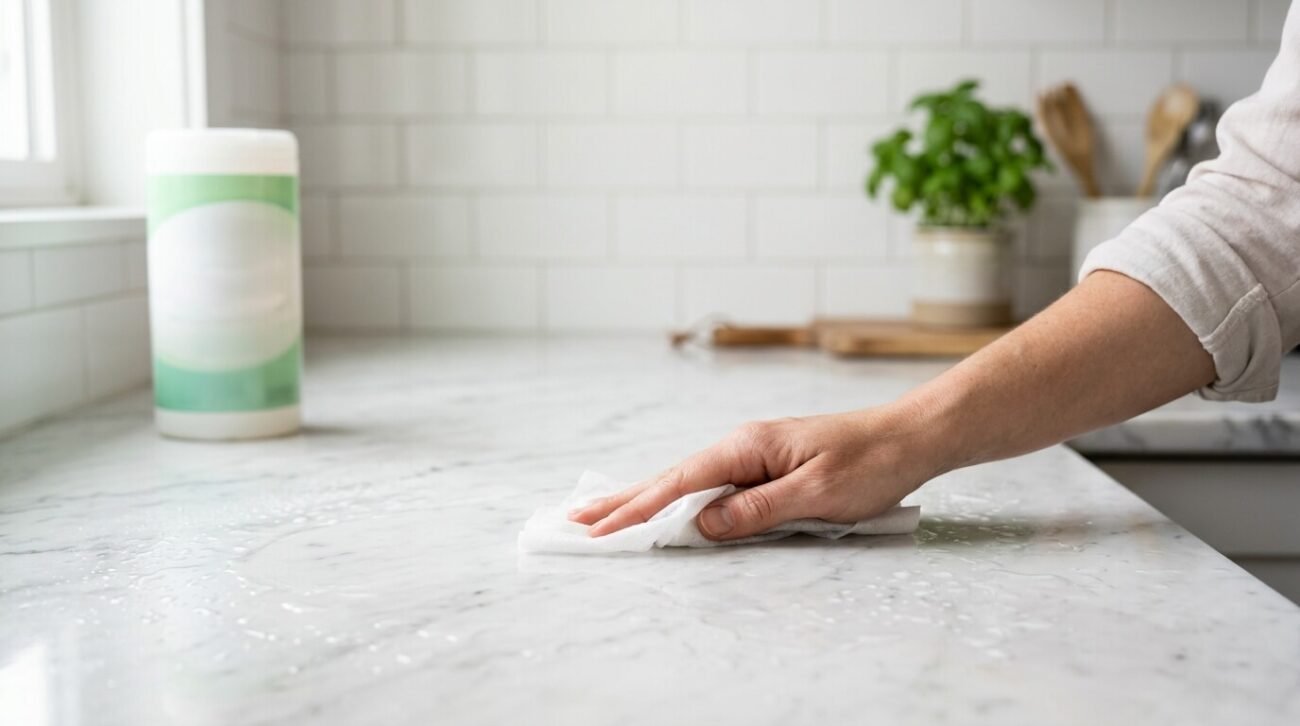
A virus sitting on a kitchen counter or a doorknob is not destroyed just because a wet wipe passed over it. For a disinfecting wipe to genuinely deactivate a virus, three things need to happen in sequence: the active ingredient needs to make direct contact with the virus, the surface needs to stay visibly wet for a specific length of time, and the ingredient itself needs to be proven effective against that type of virus.
That middle point staying wet is called contact time or dwell time, and it is the single most overlooked detail in everyday disinfecting. Manufacturers test their formula and determine exactly how many seconds or minutes a surface must remain visibly wet before the listed germs are actually deactivated. If a wipe is used quickly and the surface dries in five seconds, the labeled kill claim may not have been met at all even if the right product was used.
This is also why a layer of visible dirt, food residue, or grease can quietly defeat a disinfecting wipe. If the active ingredient cannot physically reach the virus because debris is in the way, contact never happens and disinfection does not occur. For best results, a surface should be reasonably clean before a disinfecting pass, not just wiped once and assumed done.
Why Regulatory Approval Is the Real Trust Signal
In Canada, surface disinfectants are not self-certified. Before any company can claim its product kills bacteria or viruses, it must register the product with Health Canada and provide evidence that the formula performs as claimed under standardized testing. Once approved, the product receives a Drug Identification Number, or DIN a unique code printed on the packaging that confirms the product has cleared this review.
This distinction matters more than most shoppers realize. A bottle or canister can say “kills germs” or “antibacterial” without any regulatory backing at all those are general marketing terms, not verified claims. A registered disinfectant with a visible DIN, on the other hand, has been independently reviewed. If you ever want to confirm a product's claims, the DIN is the number to look for on the label.
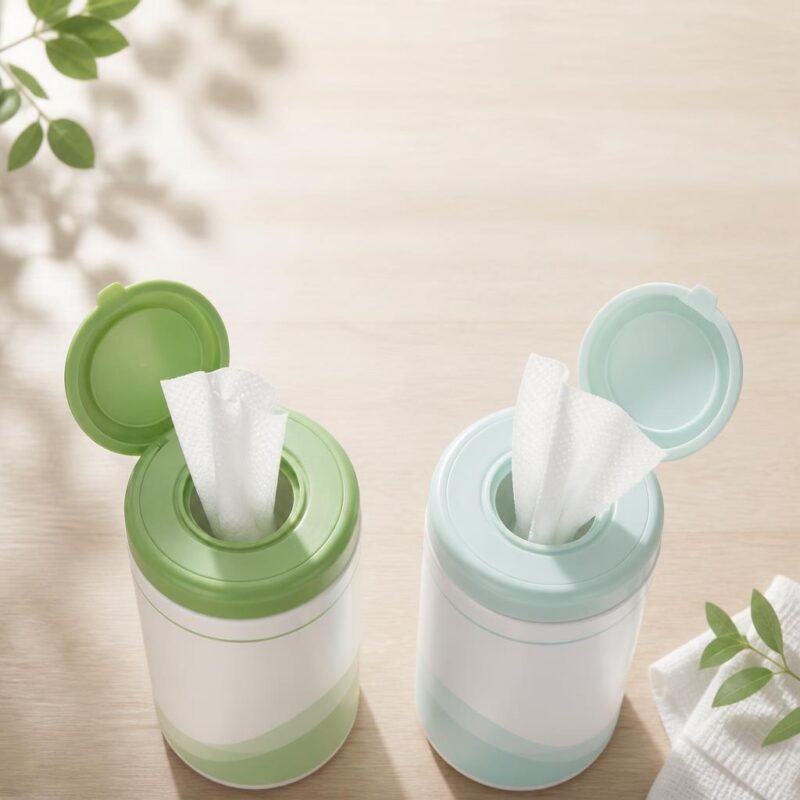
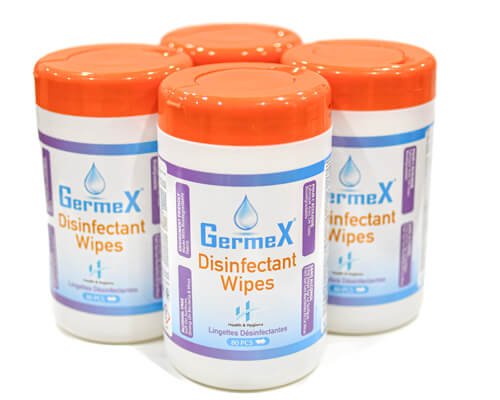
GermeX wipes carry full Health Canada disinfectant registration, which is part of why they are trusted in both households and clinical settings across Canada. You can browse the full lineup in our disinfecting wipes collection.
Cleaning vs. Disinfecting: Two Different Jobs
“Cleaning” and “disinfecting” get used interchangeably in everyday conversation, but they describe two different actions. Cleaning physically removes dirt, crumbs, and grime from a surface using friction and a detergent it makes a surface look and feel clean, but it does not guarantee that germs are gone. Disinfecting is a chemical process: an active ingredient interacts with and deactivates bacteria and viruses on contact, provided the contact time requirement is met.
In practice, the two work best together. A surface with visible mess should be cleaned first, then disinfected. Wiping a dirty surface with a disinfecting wipe and expecting full virus protection skips a step the wipe is doing two jobs at once and may run out of active ingredient or contact time before it finishes either one properly.
This is part of why disinfecting wipes are formulated to be pre-moistened and ready to use immediately: the goal is to deliver the active ingredient with enough liquid and contact time to do the job correctly in a single pass on a reasonably clean surface.
The Ingredient Question: What's Actually Doing the Killing
Most disinfecting wipes rely on one of two ingredient families. The first is alcohol fast-acting, but it evaporates quickly, which shortens contact time, and it can be harsh on skin and certain surfaces with repeated use. The second is a class of compounds called quaternary ammonium compounds, often shortened to “quats.” Quats are effective and slower to evaporate, giving them a longer working contact time, but some research has raised questions about their effects with frequent, repeated exposure, particularly for children, since kids breathe in proportionally more air relative to their body weight than adults do.
This is precisely where formula choice starts to matter for families. An alcohol-free, gentler disinfecting formula avoids the rapid evaporation problem of alcohol-based wipes and is designed without the residue concerns that come up with heavier chemical formulas while still meeting the same registered kill claims. That combination is why GermeX wipes are formulated to be alcohol-free and safe for use on food-contact surfaces such as kitchen counters and high chair trays, while still carrying full disinfectant registration.
Surfaces that touch food deserve particular attention here. A disinfecting wipe used on a cutting board or dining table needs to be safe to leave behind without rinsing, which is not true of every disinfecting product on the market. Always check the label for food-contact surface guidance before using any disinfecting wipe in food-prep areas.
A Simple Checklist Before You Trust Any Disinfecting Wipe
- Look for a Health Canada DIN on the packaging this confirms the product is a registered disinfectant, not just a general cleaning wipe
- Check the labeled contact time and actually leave the surface visibly wet for that long wiping once and walking away is rarely enough
- Clean visibly dirty surfaces first, then disinfect debris blocks the active ingredient from reaching germs
- Confirm food-contact surface safety before using any wipe in a kitchen or dining area
- Consider an alcohol-free formula for households with young children, sensitive skin, or frequent daily use
How Long Does a Disinfected Surface Actually Stay Protected?
This is a question the packaging rarely answers, because the honest answer is: not very long, and that is by design. Disinfection is not a coating or a shield it is an event. The active ingredient deactivates the viruses and bacteria present on the surface at the moment of contact. The instant a new hand touches that counter, a new cough lands near it, or a pet walks across it, new germs can be reintroduced immediately.
This matters because of a common misconception: that disinfecting a surface once in the morning protects it all day. In high-touch areas door handles, light switches, kitchen counters, changing tables the practical answer is to disinfect at the frequency that matches how often the surface is touched, not on a fixed daily schedule. A counter used for food prep multiple times a day benefits from being wiped down after each use, not once before bed.
None of this makes disinfecting wipes less valuable it just reframes what they are for. They are a tool for resetting a surface to a low-germ state right before it matters most: before food prep, after someone in the house has been sick, after a public surface has had many hands on it. Understanding this helps avoid both extremes: using a wipe once and assuming permanent protection, or feeling like disinfecting is pointless because germs return. Both miss the actual purpose of the product.
Why Some Wipes Feel Like They Don't Work
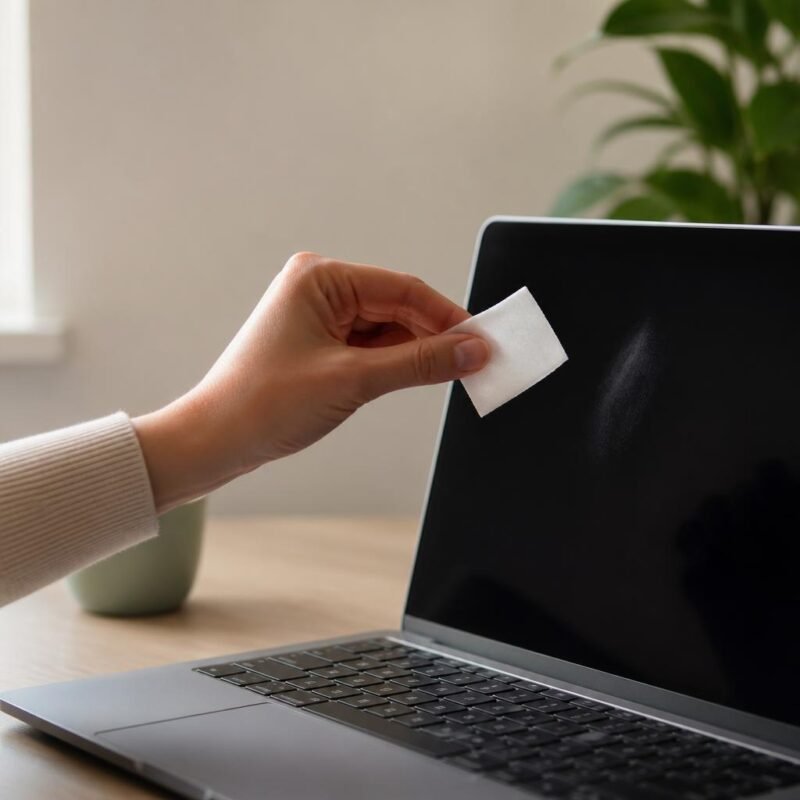
It is a common experience: someone wipes a counter, it looks clean, and yet they remain unconvinced anything was actually disinfected. Usually one of three things is happening. First, the surface dried faster than the labeled contact time, meaning the chemical reaction never had time to complete this is especially common with alcohol-based wipes in warm rooms or near open windows, since alcohol evaporates quickly. Second, the wipe was stretched too far across too large an area, thinning the amount of active ingredient reaching any single spot. A wipe rated for a standard countertop will not deliver the same contact coverage if it is used to cover an entire kitchen island and backsplash in one pass.
Third and this is the one regulation exists to catch the product was never a registered disinfectant in the first place. Many wipes marketed as “antibacterial” or “multi-surface” are formulated as cleaning products, not disinfectants, and were never tested or approved to make a virus-kill claim at all. They are not dishonest, exactly they are simply doing a different job than the one a shopper might assume. This is the entire reason the Health Canada DIN system exists: to give consumers a single, checkable marker that separates a tested disinfectant from a general-purpose cleaning wipe.
Disinfecting wipes can absolutely kill viruses but only when the product is properly registered, the active ingredient is given the correct contact time, and the surface is reasonably clean before the wipe is used. The label is not just packaging; it is the proof that a product has been tested and verified to do what it claims.
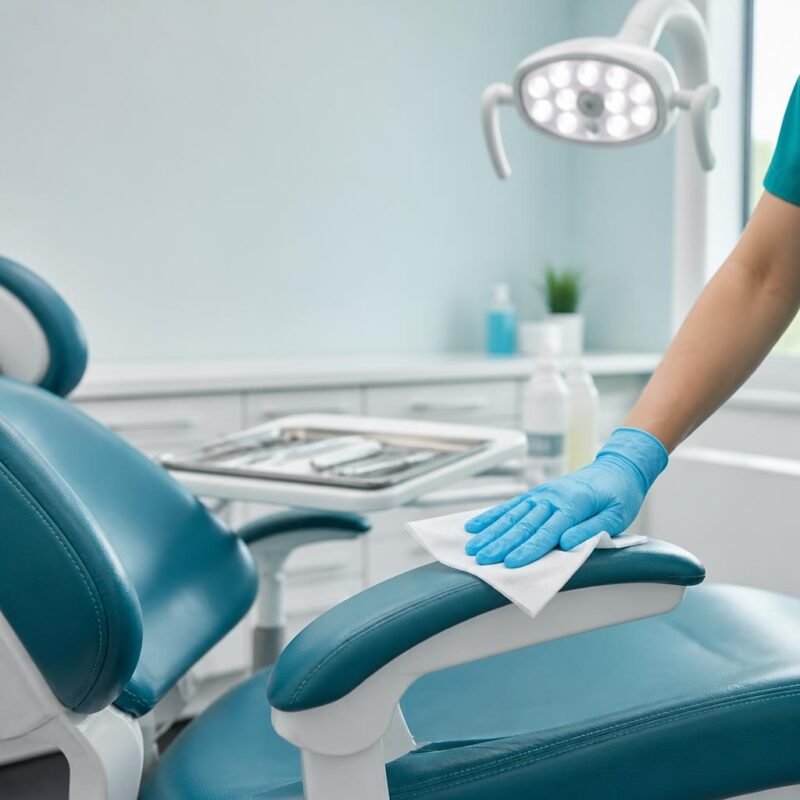
For households and clinics across Canada looking for a disinfecting wipe that is alcohol-free, Health Canada registered, and safe on food-contact surfaces, explore the full GermeX disinfecting wipes lineup. You can also read more about why families across Canada have made GermeX part of their everyday routine in Why GermX Disinfectant Wipes Are a Must-Have for Every Household.
Frequently Asked Questions
Do disinfecting wipes kill the flu virus and the common cold?
Registered disinfecting wipes are tested against specific named viruses and bacteria, and the packaging will list exactly which ones the product is proven effective against. Many registered disinfectants do include common cold and flu-causing viruses on their approved list, but this varies by product always check the label rather than assuming a general claim covers every virus.
Is a higher alcohol percentage always a stronger disinfectant?
Not necessarily. Effectiveness depends on the full formula and the proven contact time, not alcohol concentration alone. High-alcohol formulas also evaporate faster, which can actually shorten the window the surface stays wet sometimes working against the contact time the product needs to be effective.
Can I use a disinfecting wipe on my hands?
Surface disinfectants are formulated and registered for hard, non-porous surfaces not skin. Using a surface disinfectant on hands is not the intended or tested use of the product. Hand hygiene should rely on products specifically formulated and approved for skin use.
Why does GermeX use an alcohol-free formula instead of alcohol?
An alcohol-free formula avoids the rapid evaporation that can shorten contact time, and it is gentler for repeated daily use around children, sensitive skin, and food-contact surfaces all while still meeting full Health Canada disinfectant registration requirements.