
All Natural Disinfecting Wipes Do They Actually Work?

The appeal of all natural disinfecting wipes is easy to understand. Conventional disinfecting wipes come with long ingredient lists, warning labels, and the kind of sharp chemical smell that makes you wonder what exactly you are spreading across the kitchen counter where food gets prepared. Switching to something plant-based or natural sounds like the obvious answer.
But the question hiding inside “all natural” is one that most product marketing quietly avoids: does natural actually mean effective? Specifically, does it mean the product has been tested, registered, and verified to kill the bacteria and viruses it claims to kill or does it mean the ingredients sound reassuring on a label while the actual disinfecting performance goes untested?
The answer, as with most things in the cleaning aisle, depends entirely on which product you are looking at and what “natural” is actually doing in that specific formula. Here is the honest breakdown.
What “All Natural” Actually Means on a Cleaning Product Label
In Canada, “natural” is not a regulated term on cleaning and disinfecting products. Any manufacturer can print it on packaging without meeting a defined standard or submitting evidence that the claim is accurate. The same is true of “non-toxic,” “eco-friendly,” and “plant-based” all are marketing language, not regulatory categories. This matters more than most shoppers realize, because it means two products sitting side by side on a shelf, both labelled “natural,” can have completely different formulas, completely different actual efficacy, and completely different levels of third-party verification behind their claims.
The regulatory term that does mean something specific in Canada is the Drug Identification Number, or DIN. A DIN on a disinfecting product confirms it has been reviewed and registered by Health Canada, that its kill claims have been tested and verified, and that it meets Canadian standards for safety and efficacy as a disinfectant. A product can be natural in every ingredient and still carry a DIN and that combination is the thing worth looking for, because it means the product is both gentle in its formulation and verified in its performance.
The absence of a DIN on a natural-labelled cleaning product does not necessarily mean it is ineffective at cleaning it means its disinfecting claims have not been registered or verified to the Canadian regulatory standard. That is a distinction worth making clearly: cleaning and disinfecting are different jobs, and a product that cleans surfaces well can still not qualify as a disinfectant
The ‘Natural Means Safe, Synthetic Means Toxic’ Problem
One of the most persistent myths in the natural cleaning space is the assumption that plant-derived automatically means safer and synthetic automatically means harmful. It is an understandable intuition, but it does not hold up well under examination. Hemlock is plant-derived. So is poison ivy. Plenty of compounds extracted from natural sources are genuinely toxic at the concentrations used in consumer products and plenty of carefully synthesized compounds are extremely safe.
What actually determines safety in a cleaning or disinfecting product is the specific ingredient, the concentration it is used at, the route of exposure (is it being inhaled, does it contact skin, is it left on food surfaces), and whether it has been adequately tested for those exposure conditions. A product labelled natural that has not been tested for these factors is not automatically safer than one that has. It is simply unlabelled in a different direction.
This is also why the clean mama blogger community's advice to read carefully resonates: a product with a long ingredient list of Latin-named plant extracts and a reassuring green label is not necessarily safer than a short-ingredient-list registered disinfectant with a DIN. The DIN means the testing was done. The green label means someone made a design decision.
Ingredients That Actually Work in Natural Disinfecting Wipes
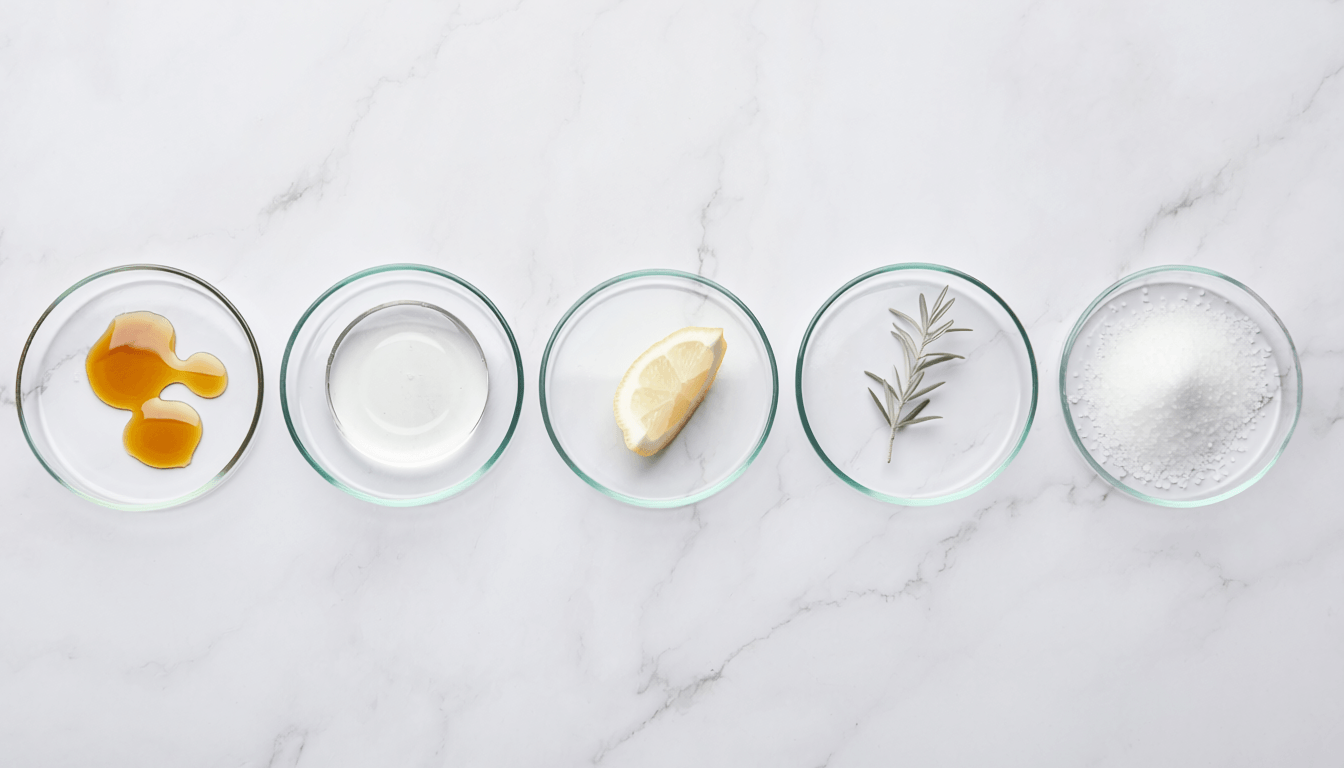
That said, there are genuinely effective natural or nature-derived disinfecting compounds, and understanding which ones have real evidence behind them is useful for evaluating any product making natural disinfecting claims.
- Thymol Derived from thyme oil, thymol is one of the most well-documented natural disinfecting compounds. It is used by Seventh Generation as the active ingredient in their disinfecting wipes and is classified by the FDA as Generally Recognized As Safe, meaning it can be present in food contact applications. Thymol has demonstrated efficacy against a range of bacteria and viruses in standardized testing.
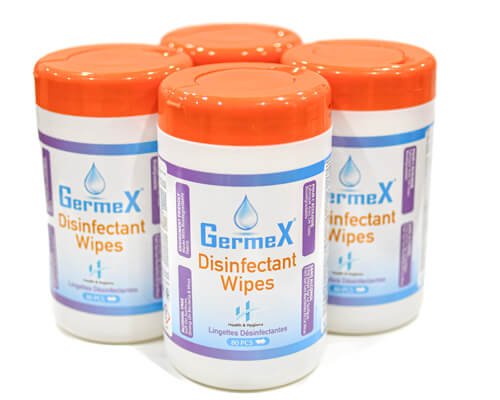
- Benzalkonium chloride (plant-derived sources) Benzalkonium chloride, a quaternary ammonium compound, can be derived from plant-based fatty acids and is one of the most widely registered disinfecting actives in Health Canada’s database. It is used in GermeX wipes and has extensive efficacy data behind it. The origin of the compound (plant-derived or synthetic pathway) does not change its performance or regulatory standing.
- Hydrogen peroxide Used in some natural cleaning formulas at low concentrations, hydrogen peroxide breaks down into water and oxygen and leaves no chemical residue. At appropriate concentrations, it is effective against bacteria, viruses, and fungi. Some products use an accelerated hydrogen peroxide formula that achieves faster contact times than standard concentrations.
- Essential oils (tea tree, lemon, eucalyptus) These have demonstrated antimicrobial properties in laboratory settings, but antimicrobial activity in a lab test is not the same as registered disinfecting efficacy under standardized Health Canada protocols. Essential oil-based wipes can reduce microbial load and clean effectively, but most have not been registered as disinfectants and cannot legally make verified kill claims.
- Citric acid Used in some natural cleaning formulas as a pH modifier and light antimicrobial, citric acid is generally recognized as safe and appears on food-contact surface approved ingredient lists. It functions primarily as a cleaning and pH-adjusting agent rather than a primary disinfecting compound.
The Biodegradable Wipe Material Question
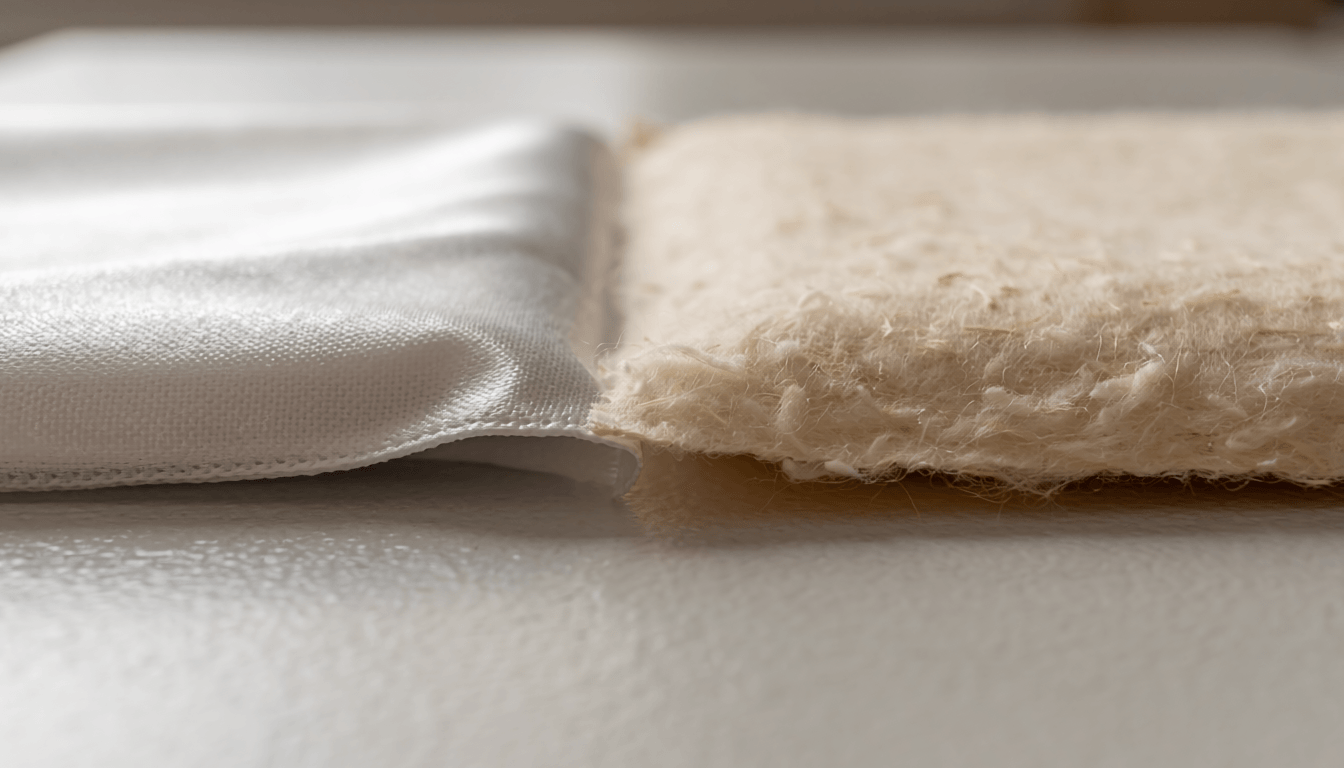
A genuinely important dimension of “natural” in disinfecting wipes that gets less attention than the formula is the wipe substrate itself the physical material the wipe is made from. Conventional disinfecting wipes are typically made from synthetic nonwoven fabrics, often polyester or polypropylene, which are petroleum-derived and do not biodegrade. These are the wipes that end up in landfill essentially permanently, and some people flush them despite instructions not to, contributing to wastewater infrastructure problems across Canada.
Biodegradable wipe materials use plant-derived fibres cellulose, cotton, bamboo, or wood pulp that break down naturally over time when disposed of properly. This is a meaningful environmental distinction entirely separate from what the cleaning formula contains. A wipe with a synthetic substrate and a natural formula is only half the picture. A wipe with both a biodegradable substrate and a registered, naturally-derived disinfecting formula addresses both dimensions.
GermeX wipes use a biodegradable wipe material alongside an alcohol-free, Health Canada registered formula which is the combination that actually closes the gap between the environmental preference for natural wipes and the performance requirement for verified disinfection.
What Natural Wipes Cannot Claim Without Regulatory Registration
This is the part of the natural cleaning conversation that gets quietly skipped over in most consumer content, but it is the most practically important. In Canada, any claim that a product kills specific bacteria, viruses, or other pathogens is a regulated claim that requires Health Canada DIN registration before it can legally be made. A product that says it “reduces germs” or “cleans naturally” is making a different, and legally weaker, claim than one that says it “kills 99.9% of bacteria and viruses” with a DIN on the label.
Many products in the natural cleaning space including some well-known and genuinely good brands are formulated as cleaning products rather than registered disinfectants. They clean surfaces effectively, they reduce surface microbial load, and they are safer in their ingredient profile than conventional alternatives. But they have not gone through the Health Canada DIN registration process, which means their kill claims, if any, have not been independently verified to a Canadian regulatory standard.
For a household with healthy adults, this distinction may matter less general cleaning with a gentle natural product is appropriate for everyday tidying, and full disinfection is not always necessary. For households with immunocompromised members, young infants, or anyone recovering from illness, using a registered disinfectant with verified efficacy on the surfaces that matter most is the more defensible choice. The ideal product for that situation is one that is both naturally formulated and registered because the two are not mutually exclusive.
Where GermeX Fits in the Natural Disinfecting Conversation
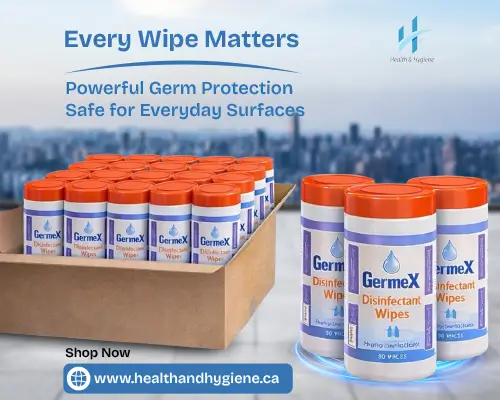
GermeX occupies a specific and genuinely useful position in this space: it is an alcohol-free, biodegradable disinfecting wipe with a Health Canada DIN registration. It is not marketed as “all natural” in the essential-oil-and-thyme-leaf sense but it addresses the things that actually drive Canadian families toward natural alternatives, while meeting the regulatory standard that most natural-labelled products do not.
The alcohol-free formula removes the primary ingredient concern that makes conventional wipes feel wrong around children and food surfaces. The biodegradable wipe material addresses the environmental concern about single-use synthetic wipe substrates. The Health Canada DIN provides the verified efficacy that gives the product its standing as a disinfectant rather than just a cleaning wipe. And the food-contact-surface approval means it can be used on kitchen counters, dining tables, and high chair trays without a rinse step.
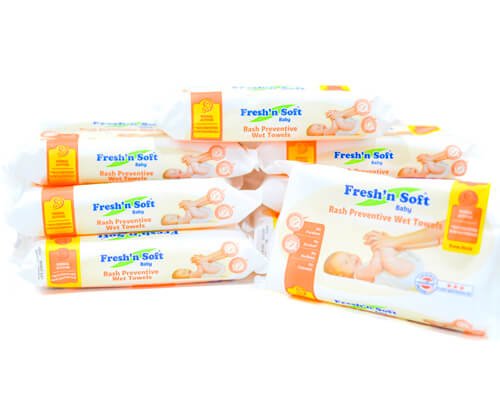
For Canadian families looking for a disinfecting wipe that does not come with harsh chemical concerns and does not require compromising on verified performance, the full GermeX range is available in our disinfecting wipes collection. For households specifically focused on baby and child-safe surface cleaning, our baby care collection covers gentle, family-safe formats built for exactly that use.
A Practical Guide to Evaluating Any Natural Disinfecting Wipe
Before buying any product marketed as a natural disinfecting wipe, five quick checks tell you most of what you need to know:
- Check for a Health Canada DIN This is the only verified signal that the product’s kill claims have been tested and registered to a Canadian standard. No DIN means the disinfecting claims are unverified, regardless of how the product is marketed.
- Read the active ingredient, not the front label The active ingredient list tells you what is actually doing the disinfecting work. Thymol, benzalkonium chloride, or hydrogen peroxide at appropriate concentrations have evidence behind them. A long list of essential oils without a registered active is a cleaning product, not a disinfectant.
- Check the wipe substrate If biodegradability matters to you, look for cellulose, cotton, or plant-derived fibre in the material description. Many products with natural-sounding names still use synthetic polyester substrates.
- Check food-contact surface approval For kitchen use, the label should specify whether a rinse step is required on food contact surfaces. Products that require rinsing before food contact add a step that many everyday users skip.
- Check the fragrance situation Fragrance blends, even naturally derived ones, can include compounds that cause respiratory irritation. Fragrance-free or specifically listed natural fragrance is the safer choice for enclosed spaces and households with sensitive individuals.
Frequently Asked Questions
Do all natural disinfecting wipes kill viruses?
It depends entirely on whether the product is registered as a disinfectant and what active ingredient it uses. A Health Canada DIN-registered wipe with a proven active ingredient like thymol or benzalkonium chloride can kill viruses at labeled contact time. An unregistered natural wipe may reduce surface contamination but cannot make a verified virus-kill claim.
Are biodegradable disinfecting wipes available in Canada?
Yes. GermeX wipes use a biodegradable wipe substrate alongside a Health Canada registered, alcohol-free disinfecting formula available for delivery across Canada.
Are essential oil wipes effective disinfectants?
Essential oils have demonstrated antimicrobial properties in laboratory conditions, but most essential oil-based wipes have not been registered as disinfectants with Health Canada and cannot make verified kill claims. They can be effective cleaning products without qualifying as registered disinfectants.
Is non-toxic the same as natural?
Not necessarily. Non-toxic refers to a safety profile at normal use concentrations, while natural refers to ingredient origin. A product can be synthetic but non-toxic at use concentration, or plant-derived but toxic at high concentrations. Neither label alone tells you whether a product is an effective, registered disinfectant.
Can I use natural disinfecting wipes around my baby?
An alcohol-free, fragrance-free, food-contact-safe wipe with a Health Canada DIN is the safest choice for surfaces a baby will contact. Look for those four criteria specifically rather than relying on “natural” labelling alone.
All natural disinfecting wipes can absolutely work provided the product has a registered active ingredient with verified kill claims, not just an appealing label and a plant-derived ingredient list. The “natural” framing captures a real consumer preference: less harsh, safer around kids and food, better for the environment. But that preference is best served by a product that is both genuinely gentle in its formulation and verified in its performance, rather than one that trades on natural language without the regulatory backing to support its disinfecting claims.
In Canada, the Health Canada DIN is the shortcut to that verification. A natural-leaning product with a DIN is the answer to the question this article started with. One without it is, at best, a cleaning product and at worst, a well-packaged gap in your home’s actual infection control.
Explore our full range of alcohol-free, biodegradable, Health Canada registered disinfecting wipes in the disinfecting wipes collection, or browse our baby care collection for gentle, family-safe surface cleaning options.