

Optical Lens Cleaning Wipes vs Microfibre Cloths Which is Better?

Most people pick one or the other and stick with it. Either there’s a microfibre cloth sitting in their glasses case that’s been there for six months, or there’s a pack of lens wipes in a desk drawer that gets pulled out for anything from eyeglasses to laptop screens. Both work but neither is the right choice in every situation, and using the wrong one at the wrong time is exactly how lenses get streaks, smudges, and eventually micro-scratches that accumulate over months of cleaning.
This guide settles the comparison properly: what each format does well, where each one falls short, which surfaces call for which tool, and what Canadian lens users should specifically look for when choosing a wipe. The answer isn’t that one is better than the other it’s that they’re built for different jobs, and knowing the difference makes every clean more effective.
What Microfibre Cloths Do Exceptionally Well
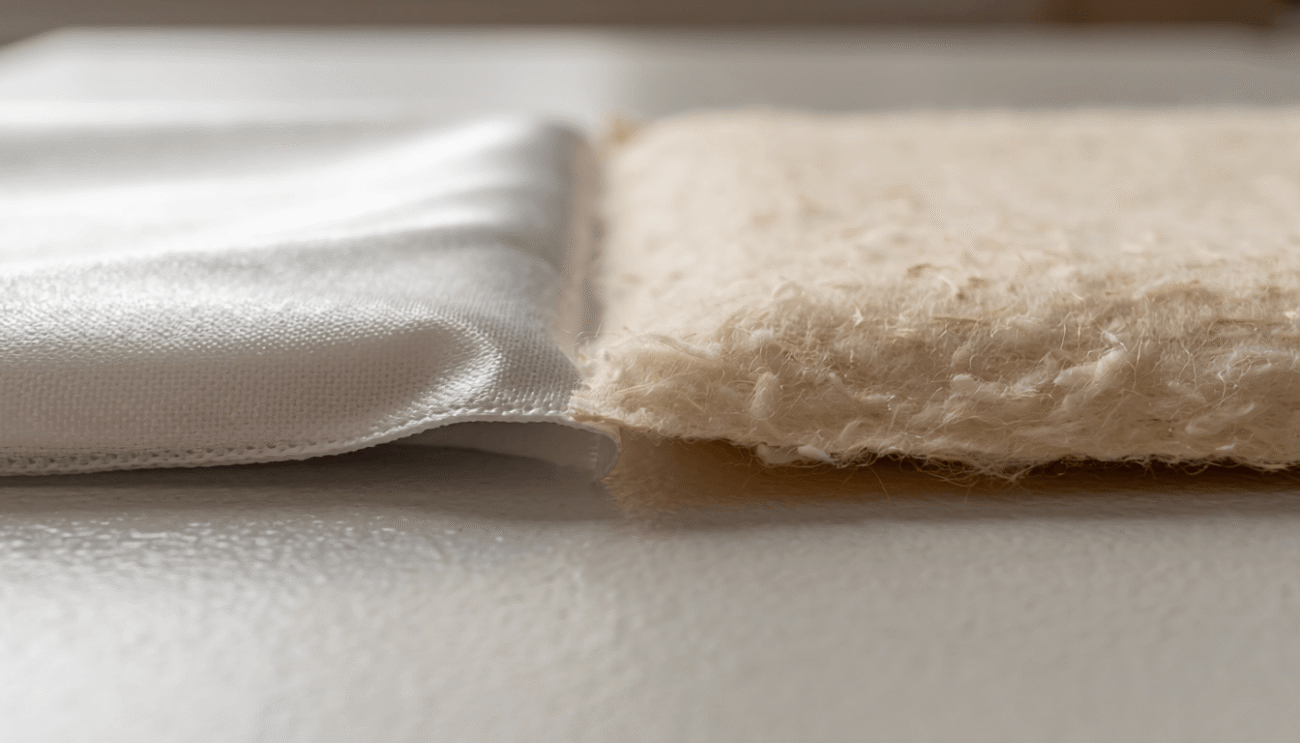
Microfibre cloths are the recommended choice of opticians and optical manufacturers for a reason grounded in material science, not just habit. The fibres in a quality microfibre cloth are split into fibres far finer than a human hair fine enough to create a static charge as they move across a lens surface, which attracts and lifts dust, lint, and loose particles rather than just pushing them around. For everyday dry cleaning of eyeglasses removing a smudge at your desk, clearing a light dust film at the end of the day, touching up glasses between meals a clean, dry microfibre cloth is genuinely the gold standard.
The reusability factor is the other major advantage. A quality microfibre cloth, properly washed and stored, can perform hundreds of cleaning cycles before it needs replacing. Over months and years of daily eyeglass use, the cost-per-clean of a maintained microfibre cloth is far lower than any disposable option. For someone cleaning the same pair of glasses twice a day at home or at a desk, a cloth is the economical, sustainable choice.
The catch and it’s a significant one is that a microfibre cloth is only as clean as the last time it was washed. Oils, grime, and fine particles build up in the fibres with every use. A cloth that was clean last week and has lived in a glasses case or jacket pocket since then has picked up dust, skin oils, and whatever residue it absorbed during its last few cleans. Using that cloth on a lens is not the same as using a freshly laundered one, and in some cases it deposits more contamination than it removes. Opticians recommend hand washing microfibre cloths regularly in mild detergent, air drying them flat, and storing them in a clean, sealed pouch a discipline that most everyday users, understandably, do not maintain.
What Lens Cleaning Wipes Do Exceptionally Well
Pre-moistened optical lens wipes solve the problem a dry microfibre cloth cannot: heavy smudges, fingerprint oils, skin grease, and sunscreen residue that bond to a lens surface and resist dry-wiping. The cleaning agent in a properly formulated lens wipe is designed to break the molecular bond between the oil and the lens, lifting it cleanly away rather than just moving it across the surface. For glasses wearers who apply facial skincare, sunscreen, or makeup, or for anyone whose lenses regularly collect fingerprints and heavy smudges, a moistened wipe cleans more thoroughly in a single pass than a dry cloth ever will.
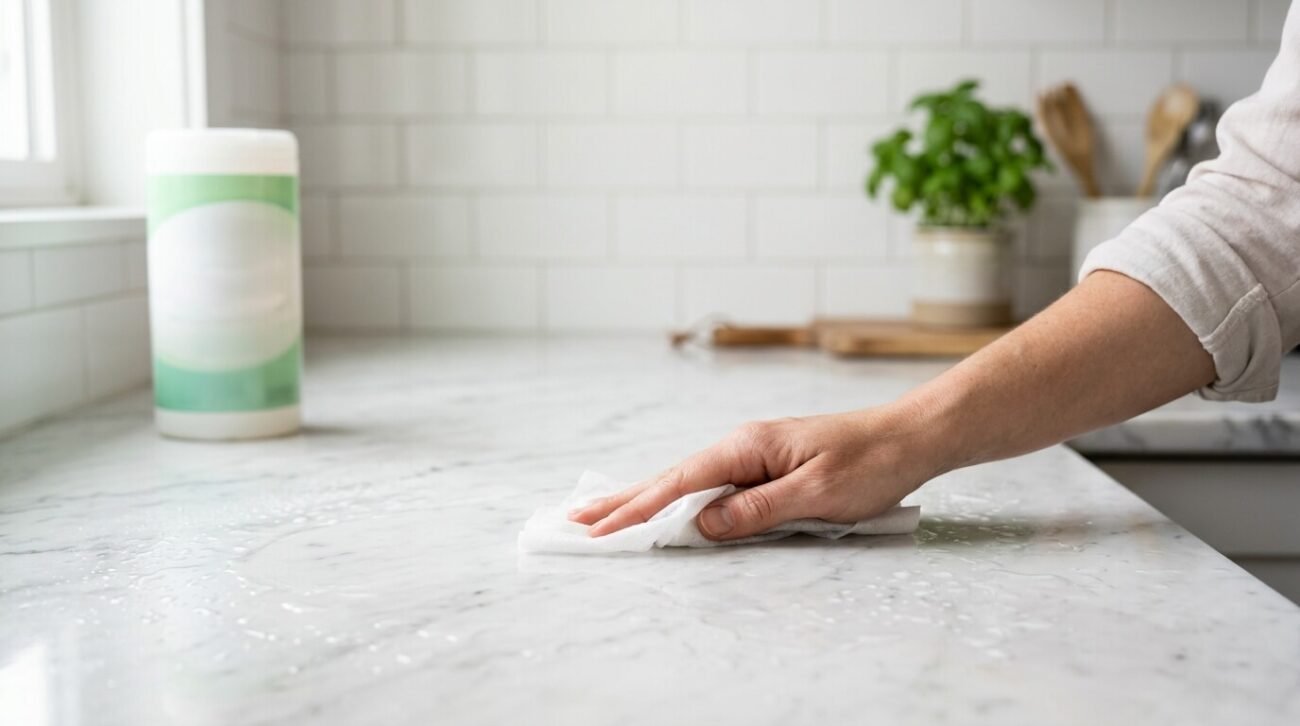
The single-use format is the lens wipe’s defining hygiene advantage. Every wipe is sterile, free of accumulated debris, and discarded after one use there is no risk of reintroducing yesterday’s contamination to today’s lens. For shared environments, office settings, or anyone cleaning multiple devices and surfaces in the same session glasses, then phone screen, then laptop display single-use wipes prevent cross-contamination between surfaces in a way a shared cloth simply cannot.
The convenience advantage is equally real for travel and on-the-go use. A soft pack of lens wipes fits in a jacket pocket. Individual foil-sealed wipes can slip into a wallet. Neither requires a cleaning solution, a sink, or any accessory beyond the wipe itself. For anyone who cleans their glasses frequently while away from home during a commute, at an airport, between meetings wipes are simply faster and more practical than a cloth-plus-solution setup.
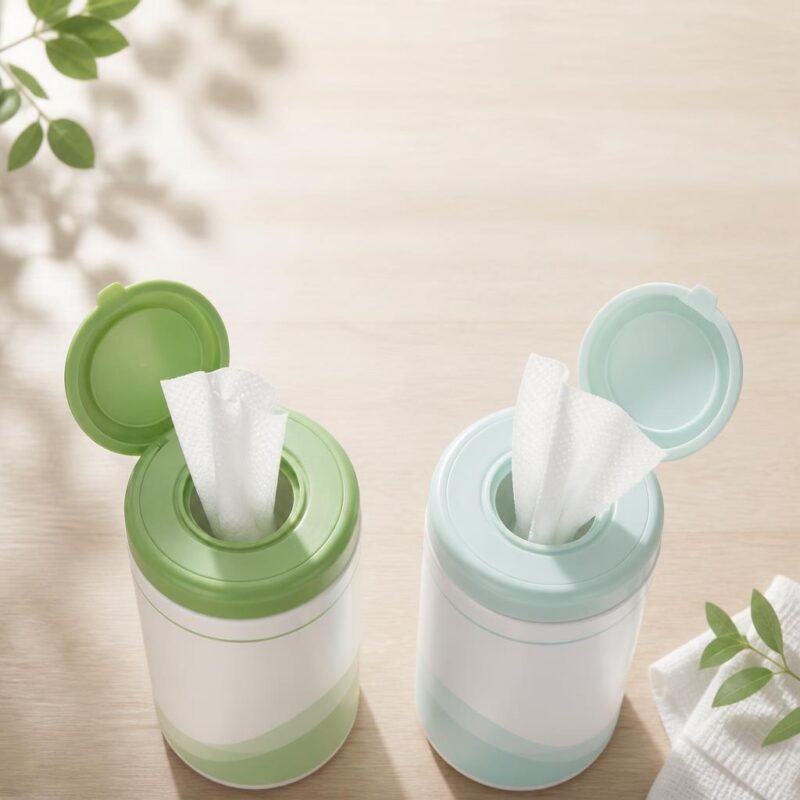
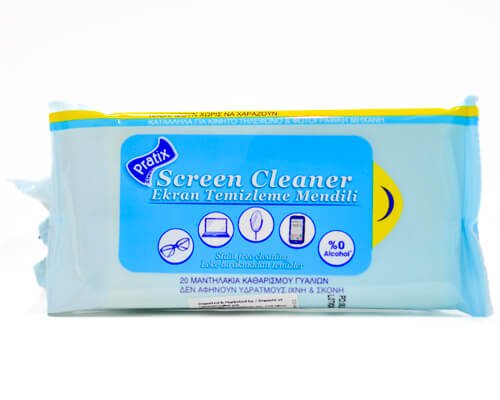
This is the job Pratix optical and screen cleaning wipes are built for: a pre-moistened, single-use format that cleans glasses, phone screens, laptop displays, and optical surfaces without ammonia, without harsh solvents, and without leaving streaks or residue behind. Browse the full range in our screen and optical cleaning collection.
The Step Both Formats Require and Most People Skip
This is the most practically important piece of advice in any lens-cleaning guide, and it applies to both microfibre cloths and pre-moistened wipes equally: never wipe a dry lens without removing loose debris first.
Dust particles, sand, and grit are sometimes harder than the glass or coating they’re resting on. Moving a cloth or wipe across a lens that has visible loose debris trapped on it drags those particles across the surface under pressure exactly the mechanism that creates micro-abrasions and the cumulative surface haze that builds up over months of cleaning. The correct sequence is to blow or gently shake loose particles off the lens first, then clean. A small rubber air blower the kind used by photographers and opticians is the most effective tool for this. In the absence of one, a gentle breath at the correct angle can dislodge loose surface debris before a wipe or cloth is used.
Following this sequence consistently makes both lens wipes and microfibre cloths dramatically safer and more effective. The scratched or hazed lenses that people attribute to aggressive cleaning are almost always the result of skipping this step not from the choice of cloth versus wipe.
Which Format Wins for Each Surface and Situation
The honest answer is that most people benefit from having both formats available and using each where it genuinely excels. Here is how the decision actually breaks down by surface and context:
- Prescription eyeglasses at home or at a desk A clean, properly maintained microfibre cloth wins for everyday dry smudge removal. Use a lens wipe for heavier cleans after applying skincare, sunscreen, or makeup, or whenever the cloth itself needs to be retired for a wash cycle.
- Sunglasses outdoors and during travel Lens wipes win. Travel exposes lenses to sunscreen, salt water, dust, and environmental grime that needs a cleaning agent, not just a dry wipe. Individual foil-sealed wipes are the most practical format for a bag or jacket pocket.
- Smartphone and tablet screens Lens wipes win for any deep clean. Dry microfibre works for daily fingerprint removal if the cloth is genuinely clean. For screens that have accumulated oils, a wipe removes it faster and more completely.
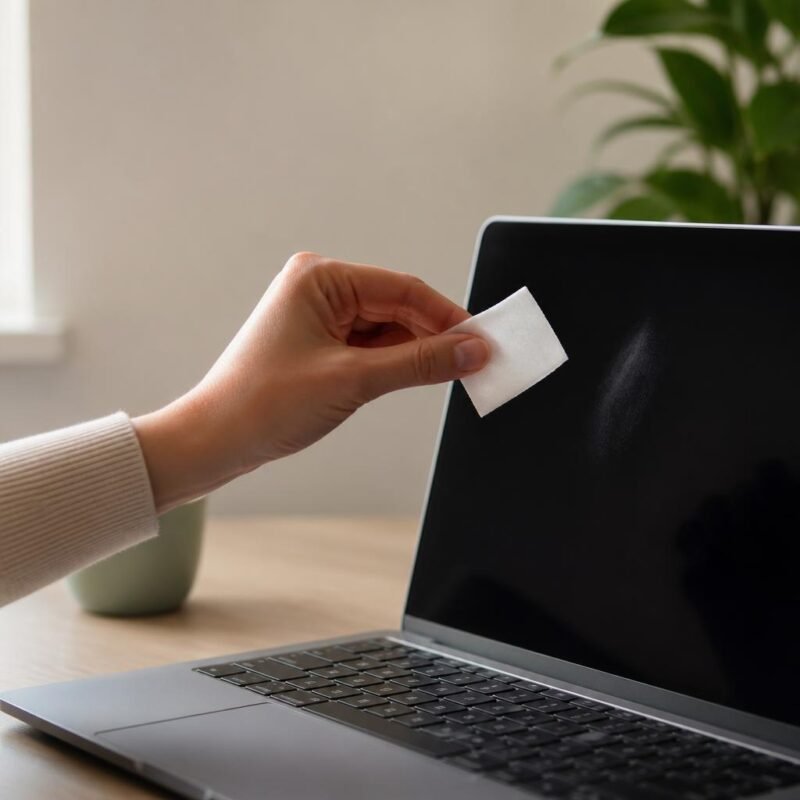
- Laptop and monitor screens Lens wipes are the safer choice for periodic deep cleaning, particularly ammonia-free and alcohol-free formulas that won’t damage anti-glare coatings. A dry microfibre cloth is appropriate for daily light-dust removal between deeper cleans.
- Camera lenses The blower-first rule matters most here. After removing loose debris, a lens wipe is appropriate for removing fingerprints and oil from the front element. Avoid alcohol-based wipes on modern multi-coated camera lenses; non-alcohol formulas are safer for sensitive coatings.
- Office environments and shared screens Lens wipes win clearly. A shared microfibre cloth passed between colleagues is a hygiene risk and degrades faster than cloths used by one person. Individual wipes keep each clean hygienic and starting from zero.
What to Look for in an Optical Lens Cleaning Wipe
Not all lens wipes are created to the same standard, and a few formula choices make a significant difference to lens safety and cleaning quality:
- Ammonia-free formula Ammonia damages anti-reflective and anti-glare coatings over repeated use. Any wipe intended for coated lenses which is most prescription eyewear, laptop displays, and modern phone screens should explicitly state ammonia-free on the packaging.
- Alcohol-free or very low alcohol content Isopropyl alcohol at high concentrations can strip lens coatings with repeated use, particularly on camera lenses and plastics. A low or zero alcohol formula is the safer choice for everyday optical cleaning.
- Lint-free material The wipe material itself should leave no fibres behind on the lens surface. Look for non-woven or lint-free construction specifically called out on the packaging.
- No residue or streaking A quality lens wipe should leave the surface clear and streak-free after a single pass. Products that require a buffing step with a dry cloth afterward are adding a step back in that wipes are supposed to remove.
- Canadian availability and registered formulation For Canadians, a lens cleaning product formulated and available domestically without waiting on international shipping or relying on US product lines matters for both accessibility and supply consistency.
The Dirty Cloth Problem and Why It Changes the Calculation
This deserves its own section because it is the most common reason people switch from microfibre cloths to wipes and never look back. A microfibre cloth that has been used twice a day for three months without being washed is not a clean tool. It is a carrier of accumulated skin oils, dust, food particles, atmospheric grime, and the residue of every surface it has touched since its last proper wash. Cleaning a lens with that cloth is doing the optical equivalent of wiping your glasses with your shirt something most people know they shouldn’t do but understand intuitively as “what’s already on this thing?”
The practical reality is that the microfibre cloth advantage safe, effective, reusable only holds as long as the cloth maintenance discipline holds with it. For users who reliably wash their cloth every one to two weeks, store it in a clean sealed case, and replace it every few months, the cloth is genuinely superior for daily home use. For users who don’t which is most people, in most real-world conditions a fresh lens wipe pulled from a sealed pack is cleaner, safer, and more effective than the cloth that’s been in their glasses case for the past month.
Frequently Asked Questions
Can I use a lens cleaning wipe on anti-reflective coated lenses?
Yes, as long as the wipe is specifically formulated to be ammonia-free and safe for coated lenses. Always check the packaging before using any cleaning product on prescription eyewear with specialist coatings.
How often should I wash my microfibre cloth?
Opticians generally recommend washing every one to two weeks for daily eyeglass users, more frequently if the cloth is used in dusty or outdoor environments. Hand wash in mild detergent, rinse thoroughly, and air dry flat. Never use fabric softener it coats the fibres and destroys their cleaning ability.
Are lens cleaning wipes safe for phone screens?
Yes, provided the wipe is ammonia-free and does not contain high concentrations of alcohol. Most modern phone screens have oleophobic coatings that can be degraded by ammonia and harsh solvents over time. Check the wipe packaging for screen compatibility.
Can I use the same wipe for my glasses and my laptop screen?
A single wipe can cover both in the same cleaning session, moving from the glasses to the screen. However, the reverse wiping your laptop screen first and then your glasses risks transferring screen particles to optical lenses. Glasses first, then screens.
What is the Pratix optical cleaner and what surfaces is it designed for?
Pratix is Health & Hygiene’s optical and screen cleaning wipe, formulated for glasses, phone screens, tablet displays, laptop screens, and other optical surfaces. It is ammonia-free, leaves no residue, and is available in a multi-pack format for home and office use across multiple devices.
Microfibre cloths are the right choice for disciplined daily home use when the cloth is clean and properly maintained. Lens cleaning wipes are the right choice for travel, shared environments, heavy smudges, and anyone whose cloth maintenance routine in practice is less rigorous than it should be. The best-equipped optical hygiene setup uses both: a quality cloth for daily desk use and a pack of wipes for everything else.
Explore the full range of optical and screen cleaning wipes in our screen and optical collection, or browse our travel ready wipes for compact single-use formats built for glasses and screens on the go.