
High Level Disinfectant Wipes: What They Are and Why Clinics Choose Them

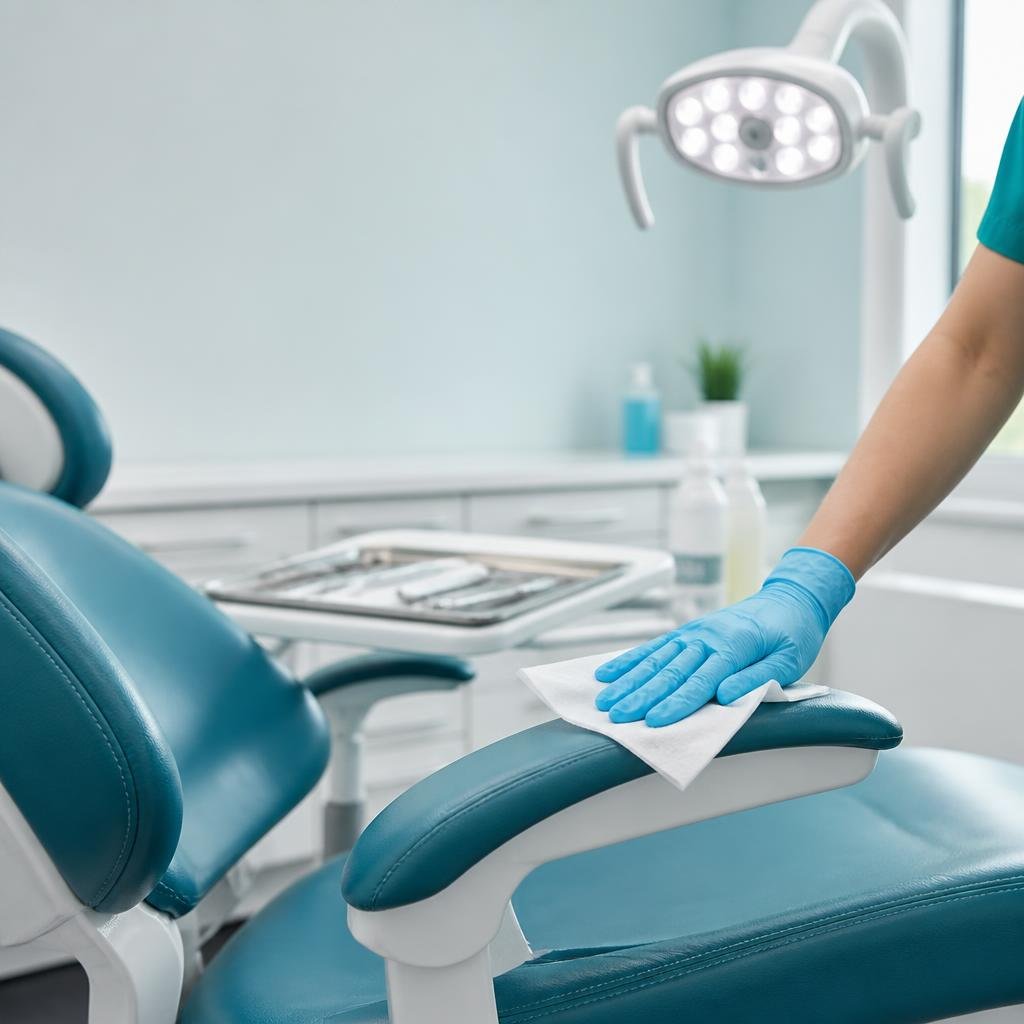
Walk into any dental clinic, physiotherapy office, or medical practice in Canada and the disinfecting wipes sitting on the counter represent a procurement decision that has been made very deliberately. Clinics do not buy wipes the way households do they buy against a specific regulatory and infection control standard, and the wrong product does not just underperform, it creates a compliance gap.
The term “high level disinfectant” gets used loosely in product marketing, but in a clinical context it has a precise technical meaning. Understanding what it actually means, where it applies, and critically where it does not apply, gives any clinic manager or practice owner the framework to make better purchasing decisions and build a defensible infection control protocol. This article covers all of that, plus what Canadian clinics are actually looking for when they choose a disinfecting wipe for everyday environmental surface cleaning.
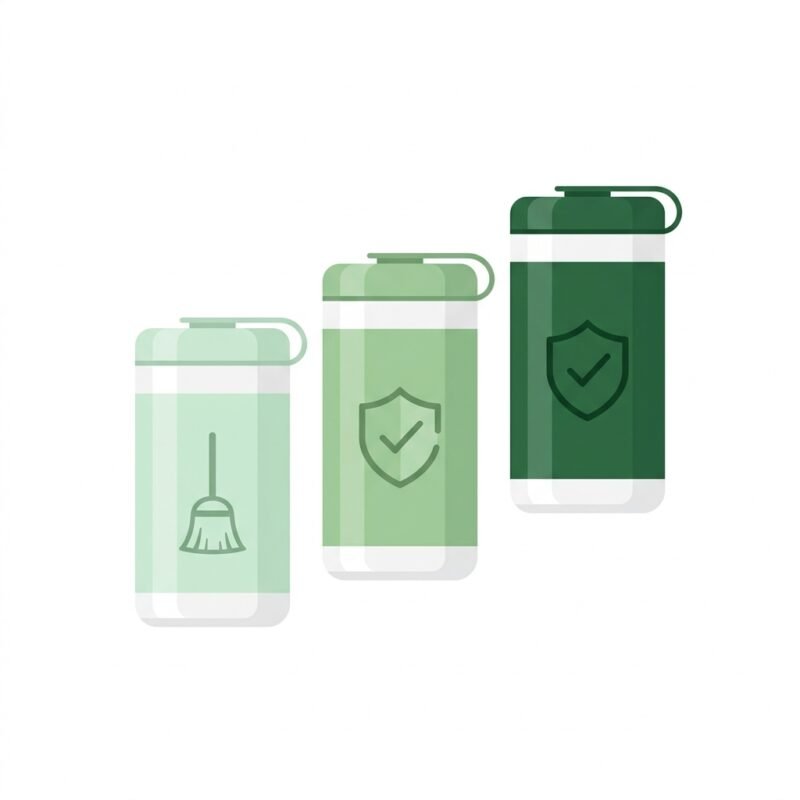
The Three-Tier Disinfection Classification System
Hospital infection control operates on a classification system originally developed by Dr. E.H. Spaulding in the 1960s, which divides disinfection into three tiers based on the infection risk of the item or surface being treated. This framework remains the foundation of clinical disinfection protocols in Canada and is referenced in Health Canada infection prevention and control guidelines.
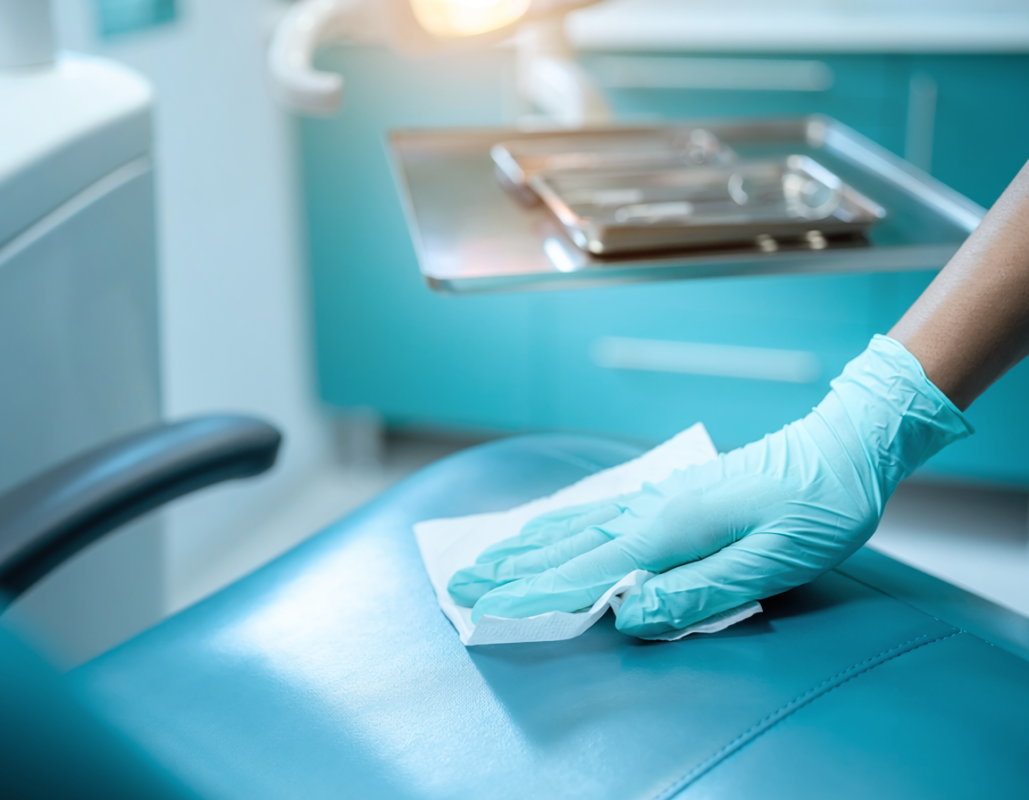
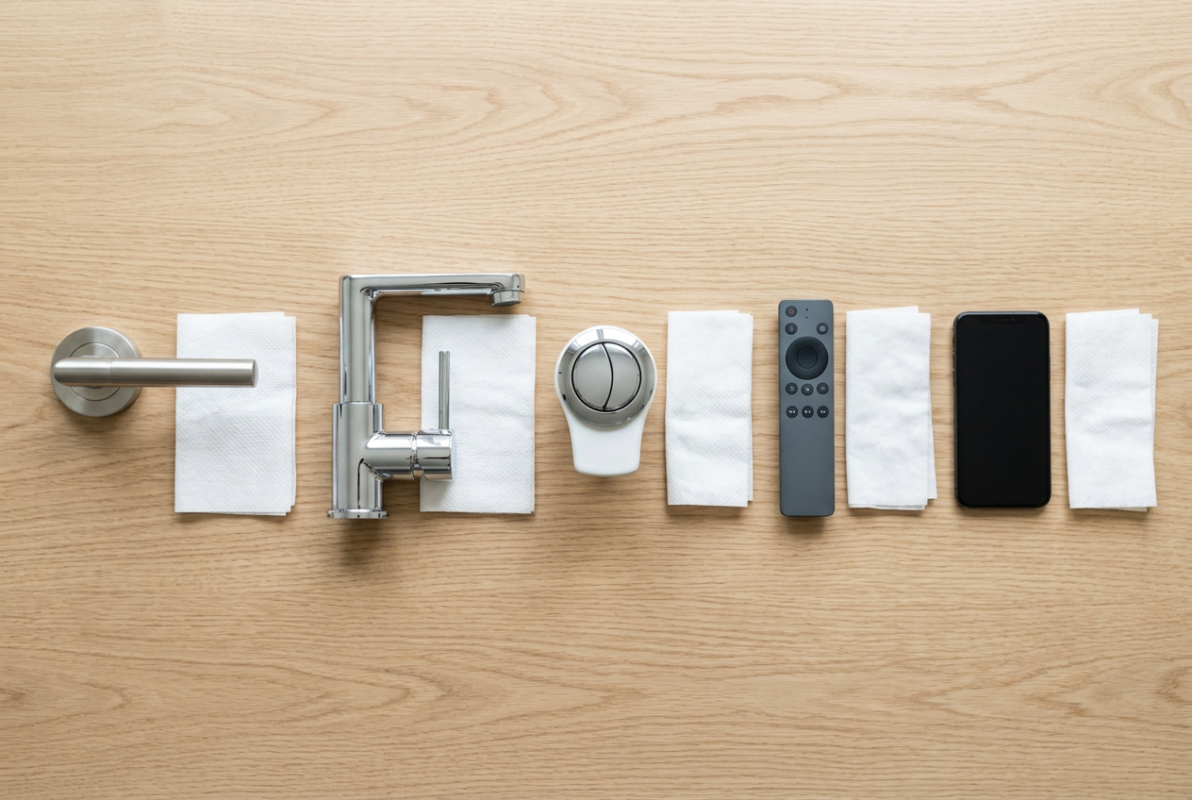
Low-level disinfection is used on non-critical items surfaces and objects that contact intact skin but not mucous membranes or sterile tissue. Environmental surfaces that patients and staff touch routinely waiting room chairs, reception counters, door handles, light switches, and clinical work surfaces fall into this category. A registered surface disinfectant with proven efficacy against bacteria, enveloped viruses, and some fungi meets this standard.
Intermediate-level disinfection is used on semi-critical items that contact non-intact skin or could theoretically contact mucous membranes. Blood pressure cuffs, stethoscopes, and some physiotherapy equipment fall here. An intermediate-level disinfectant must demonstrate efficacy against Mycobacterium tuberculosis, the organism used as a surrogate for resistance in this tier, along with bacteria, fungi, and most viruses.
High-level disinfection is reserved for semi-critical items that contact mucous membranes or non-intact skin and cannot be sterilized flexible endoscopes, certain ultrasound transducers, and reusable instruments that enter sterile body cavities or contact mucous membranes. High-level disinfection must achieve kill of all microbial life, including bacterial endospores, and typically requires products like glutaraldehyde, peracetic acid, or accelerated hydrogen peroxide at clinical concentrations with specific contact times measured in minutes.
The practical takeaway: the majority of surface cleaning and disinfection in a dental clinic, physiotherapy office, or medical practice wiping down treatment chairs, counters, equipment exteriors, and high-touch surfaces between patients is an intermediate-level or low-level disinfection task, not a high-level one. The wipe on the counter is doing a different job than the solution used to process a reusable endoscope.
Why Health Canada DIN Registration Is Non-Negotiable for Clinical Use
In Canada, any product making a disinfectant claim that it kills bacteria, viruses, or other pathogens is regulated as a drug under the Food and Drugs Act and must carry a Drug Identification Number issued by Health Canada before it can legally be sold with those claims. The DIN is not a marketing badge. It is the result of a submission process in which the manufacturer provides evidence of efficacy, safety, and manufacturing standards, which Health Canada reviews before granting registration.
For a clinical setting, this matters because it is the baseline that separates a tested, regulated disinfectant from a product that makes a claim without having proven it to a Canadian regulatory body. Infection control standards in Canadian healthcare facilities whether in public health guidelines, accreditation requirements, or institutional procurement policies reference Health Canada approved products as the standard. Using a product without DIN registration in a clinical setting is not just a product choice; it is a protocol gap that creates liability exposure and fails the fundamental expectation of evidence-based infection control.
For clinic managers and practice owners doing purchasing, the DIN check is the single fastest filter for any disinfecting product under consideration. Before evaluating contact time, format, or price, the DIN should be the first thing verified on the label.
What Clinics Are Actually Looking for in a Disinfecting Wipe
Beyond regulatory compliance, the daily-use requirements of a clinic surface disinfecting wipe are shaped by the operational realities of a clinical environment: high turnover between patients, limited time for surface preparation, staff who are cleaning surfaces dozens of times per day, and patients who occupy the treatment space shortly after cleaning is complete.
- Short contact time Between-patient turnaround in a busy dental or physiotherapy clinic can be five to ten minutes. A wipe with a contact time of one to three minutes is practical in that context. A wipe requiring ten minutes of wet contact time on every surface is not.
- Surface compatibility Clinical environments contain a wide range of surfaces vinyl upholstery, stainless steel, plastic instrument housings, anodized aluminium, and electronics. A wipe that damages vinyl, discolours plastics, or corrodes metal contacts cannot be used across the whole treatment environment without risk to equipment.
- Alcohol-free formula for patient comfort and equipment longevity The sharp alcohol odour from isopropyl-based wipes in an enclosed treatment room affects patient comfort, particularly for patients with respiratory sensitivities, migraines, or chemical sensitivities. Alcohol also accelerates the breakdown of vinyl upholstery and soft-touch surfaces with repeated use. Alcohol-free formulas avoid both problems.
- No rinsing required A wipe that requires a rinse step before a patient contacts the surface adds a step that interrupts workflow. Wipes approved for use without a post-disinfection rinse are operationally practical in ways that rinse-required products are not.
- Clear documentation and DIN for compliance files Infection control records in accredited Canadian facilities often include the products used, their DIN numbers, and evidence of efficacy. A registered product with clear documentation is easier to include in a compliant infection control protocol than one that requires additional justification.
The Shift Toward Alcohol-Free in Canadian Clinical Settings
A measurable trend in Canadian clinical procurement over the past several years has been a move away from high-alcohol formulas toward alcohol-free or low-alcohol alternatives for environmental surface disinfection. The drivers behind this shift are worth understanding because they reflect real operational and safety considerations, not just marketing preference.
Staff exposure is the primary driver. Clinical staff who are wiping down treatment rooms and equipment surfaces between patients are doing this task many times per day, five days per week, across a career. Repeated occupational exposure to high-alcohol disinfectants through skin absorption, vapour inhalation in enclosed spaces, and incidental eye contact is a different risk profile than occasional household use. Reducing the alcohol load in routine environmental surface disinfection, where an alcohol-free registered alternative is available, is an occupational health decision as much as a clinical one.
Equipment longevity is the secondary driver. Vinyl treatment chairs, soft-touch surface finishes, and certain equipment plastics degrade measurably faster with high-frequency alcohol exposure. The capital cost of replacing clinical furniture and equipment means that the formulation choice for daily surface disinfection has a real financial dimension over a three-to-five year equipment lifecycle.
Patient experience is the third driver, particularly in dental settings. The enclosed operatory environment concentrates airborne alcohol vapour during cleaning, and the transition from cleaning to seating the next patient is often very short. Patients who are sensitive to chemical smells and dental anxiety already being high for many patients benefit from a cleaning environment that does not add a strong chemical odour to the sensory experience of their appointment.
GermeX for Clinical Environmental Surface Disinfection
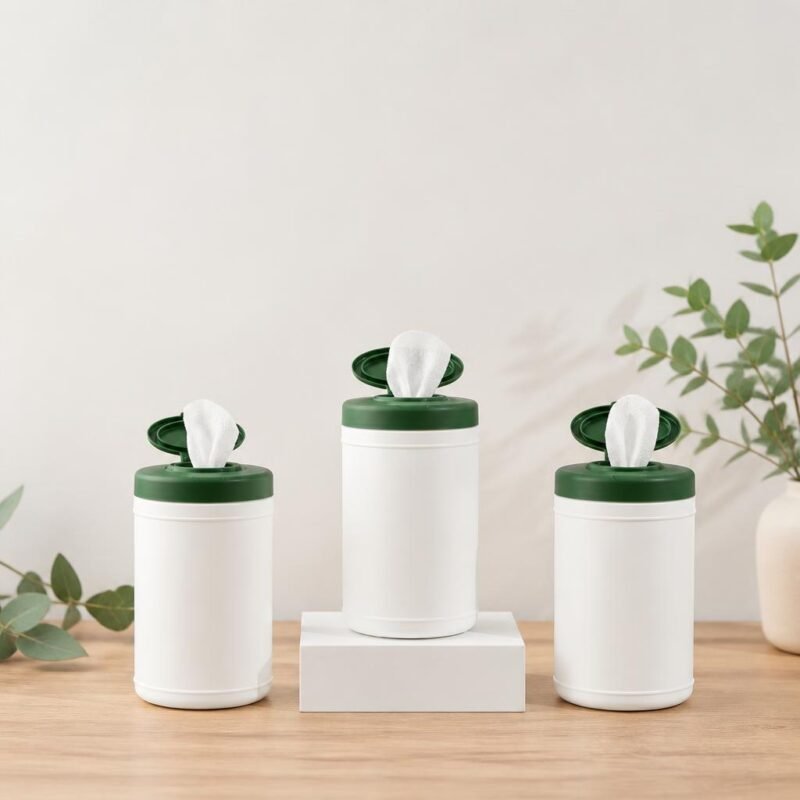
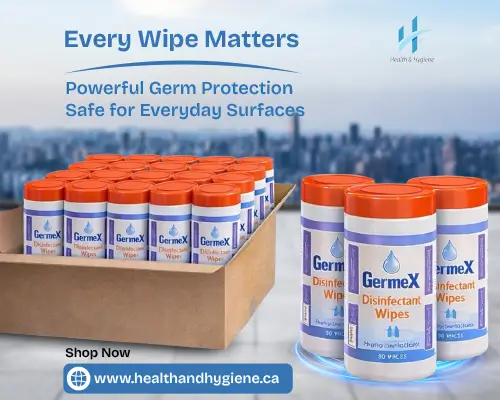
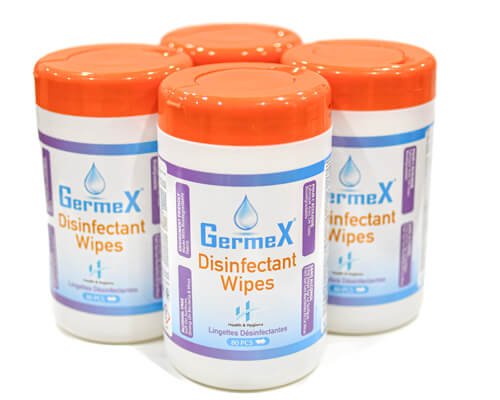
GermeX disinfecting wipes carry Health Canada DIN registration, are formulated alcohol-free, require no rinsing on surfaces including food-contact surfaces, and are available in a pack-of-6 format (480 wipes total) designed for the volume demands of a clinic environment. For dental, physiotherapy, and medical practices looking for a registered, alcohol-free surface disinfectant that covers the routine environmental surface cleaning that makes up the majority of between-patient cleaning work, GermeX fits the operational and regulatory requirements directly.
The pack-of-6 canister format 480 wipes in a single order reduces the per-wipe cost while keeping each canister compact and positioned at the treatment area. For practices with multiple treatment rooms, this format scales appropriately without requiring the storage footprint of large industrial containers. You can view the full product details and order directly from the GermeX disinfecting wipes pack of 6 page. For practices requiring larger volumes, custom bulk pricing, or SDS documentation for your infection control file, our B2B and bulk ordering page covers the full inquiry process.
Building a Compliant Surface Disinfection Protocol
A defensible infection control protocol for environmental surface disinfection in a Canadian clinical setting covers four things: the product selected (with DIN), the contact time observed, the surfaces covered, and documentation of the protocol in the practice’s infection control policies. This is not as complex as it sounds in practice, but it does require that each element is specifically addressed rather than assumed.
The product selection step is where the DIN check, the contact-time review, and the surface-compatibility assessment all happen. For most Canadian dental and allied health practices, the majority of environmental surface disinfection work treatment chairs, counters, equipment exteriors, light handles, bracket tables is at the low to intermediate level of the Spaulding classification and is well covered by a registered surface disinfectant with proven broad-spectrum efficacy and a contact time of one to three minutes.
Contact time compliance is the step most often compromised in busy practices. A disinfectant that requires two minutes of wet surface contact only works if the surface actually stays wet for two minutes. In a climate-controlled clinical environment, some surfaces dry faster than the contact time requires, particularly with alcohol-based formulas that evaporate quickly. An alcohol-free formula with a longer evaporation window gives more reliable contact time compliance in real clinical conditions, not just under test lab conditions.
Documentation is the final step and the one that connects the product choice back to compliance. An infection control log that records the product used, its DIN, and the protocol followed is the evidence that supports a claim of compliant disinfection practice during an accreditation review or inspection.
Frequently Asked Questions
Does every surface in a clinic need a high-level disinfectant?
No. High-level disinfection is specifically required for semi-critical items that contact mucous membranes or non-intact skin and cannot be sterilized such as flexible endoscopes or reusable ultrasound transducers. Environmental surfaces treatment chairs, counters, equipment exteriors, door handles require low to intermediate level disinfection, which a Health Canada DIN-registered surface disinfectant addresses.
What is the difference between a sanitizer and a disinfectant in a clinical context?
Sanitizing reduces microbial load to a safe level but does not achieve the full kill claims of disinfection. Disinfection achieves a much higher level of microbial reduction and is the standard for clinical surface preparation between patients. Health Canada-regi
How do I know if a wipe is suitable for clinical surfaces like vinyl upholstery?
Check the product’s surface compatibility list in the Safety Data Sheet or product documentation. Most Health Canada registered clinical wipes will specify whether the product is safe on vinyl, plastics, and metals. Alcohol-free formulas are generally safer on vinyl and soft-touch surfaces for repeated daily use than high-alcohol formulas.
Can GermeX wipes be used on dental chairs and treatment surfaces?
GermeX is formulated for hard, non-porous surfaces and carries Health Canada DIN registration for surface disinfection. For specific surface compatibility questions related to dental equipment materials, we recommend reviewing the product’s SDS or contacting our team directly through the bulk inquiry page.
How do I request SDS documentation for our infection control file?
SDS documentation for GermeX is available on request. Clinics and practices ordering through the bulk and B2B channel receive SDS documentation with their order as standard. Contact the team through our bulk inquiry page for documentation ahead of a first order.
High-level disinfection is a specific, precisely defined clinical standard required for a specific subset of reusable clinical instruments not a general descriptor for any strong cleaning product. The majority of surface disinfection in a Canadian dental, physiotherapy, or medical clinic is low to intermediate level work that a Health Canada DIN-registered surface disinfectant handles effectively, provided contact time is observed and the product is appropriate for the surfaces in the treatment environment.
For Canadian clinics looking for a registered, alcohol-free surface disinfectant that covers between-patient environmental cleaning, reduces alcohol exposure for staff, is gentle on equipment surfaces, and comes in a format suited to clinic volume GermeX addresses each of those requirements directly.
View full product details and order the GermeX pack of 6 480 wipes, or contact us through our B2B and bulk ordering page for custom pricing, SDS documentation, and account setup for your practice.