

Best Makeup Remover Wipes for Sensitive Skin in Canada (2026 Ranked)

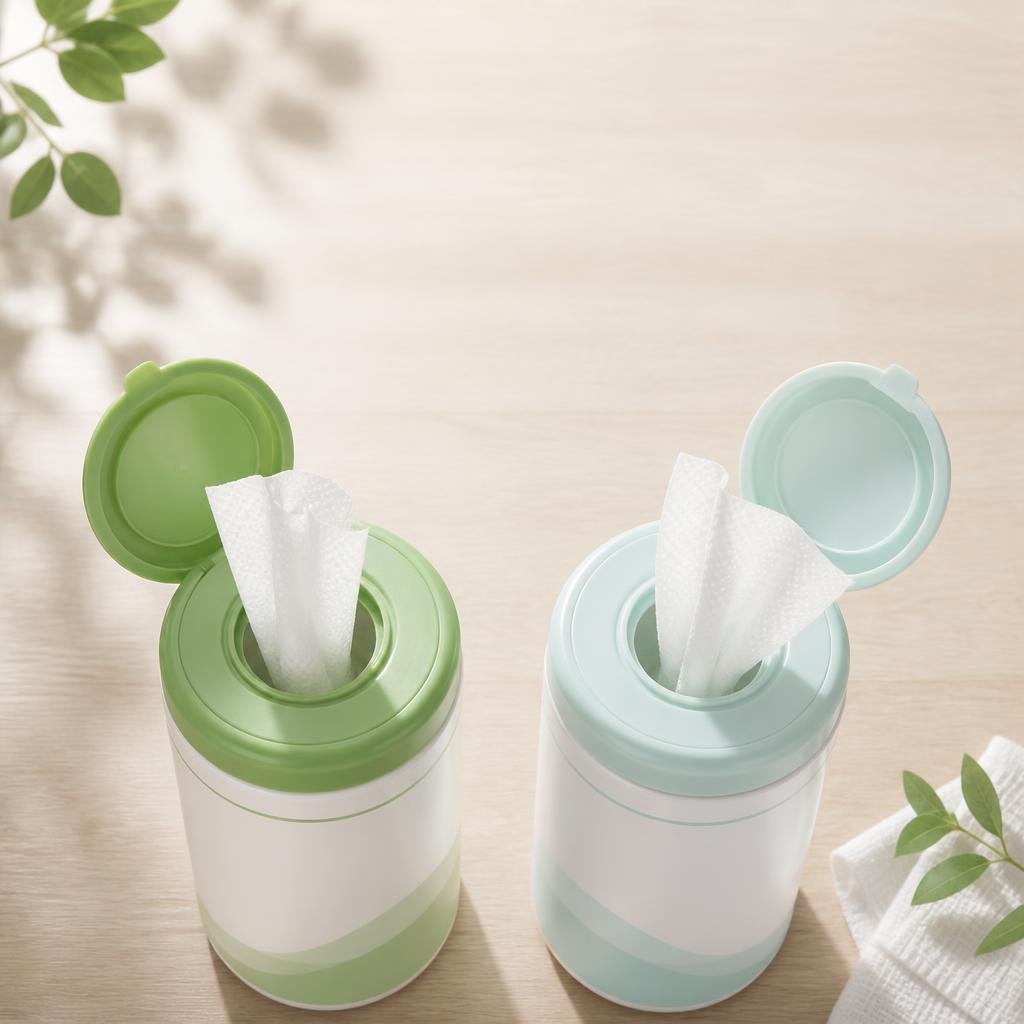
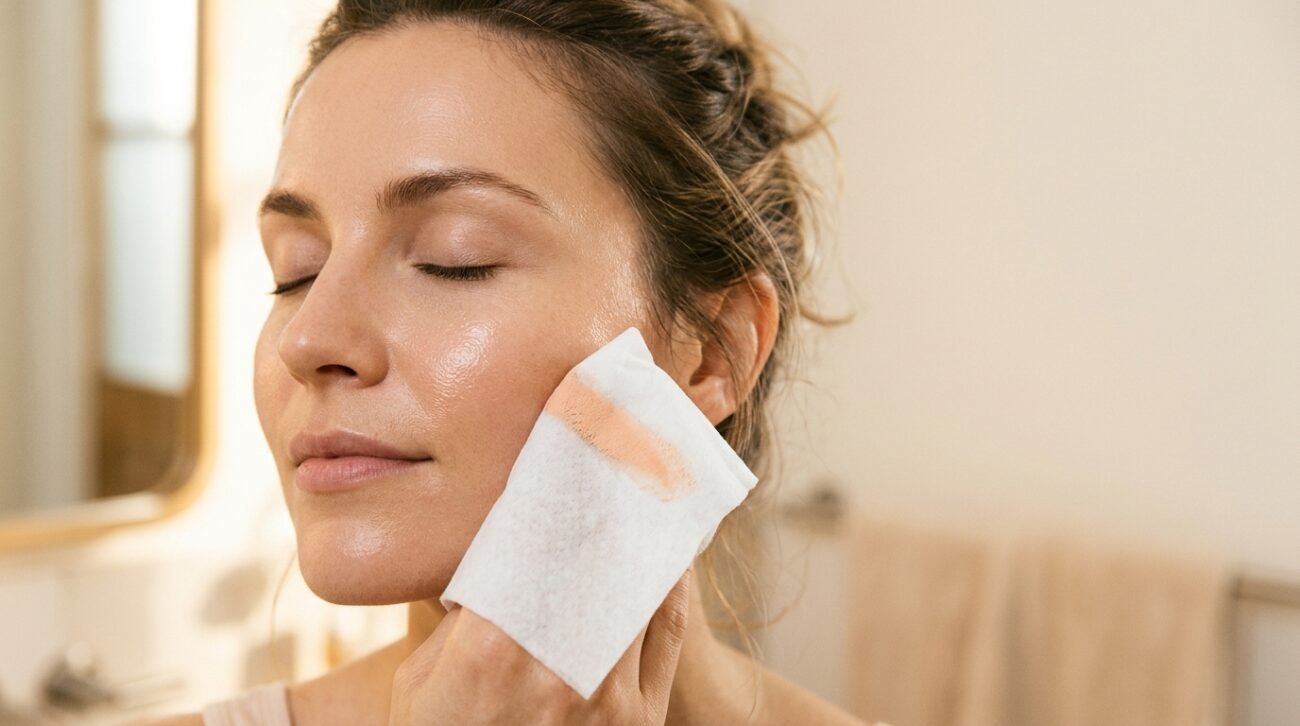
Sensitive skin and the wrong makeup remover wipe is a combination that shows up fast. Stinging around the eyes. A tight, dry feeling after wiping. Redness that lingers. A breakout two days later that tracks directly back to what you used the night before. The frustrating part is that most wipes marketed for sensitive skin look the same on the front of the package — the words “gentle,” “hypoallergenic,” and “sensitive” appear across dozens of products at every price point, and they do not all mean the same thing inside the packaging.
This guide cuts through the label language and tells you what actually matters in a makeup remover wipe formula for sensitive skin: the specific ingredients to look for, the ones to actively avoid, how to match a wipe to your specific skin type rather than just “sensitive skin” as a general category, and what the best options available to Canadian shoppers look like in 2026.
What Actually Makes a Wipe Suitable for Sensitive Skin
Sensitive skin reacts to ingredients that normal skin tolerates without issue. The reaction can show up as redness, stinging, dryness, or breakouts, and it often develops over repeated use rather than on first contact — which makes it harder to identify which product is the cause. Five formula characteristics reliably separate wipes that work for sensitive skin from those that don’t:
- Fragrance-free Fragrance blends are one of the most common causes of skin irritation and allergic contact dermatitis in skincare products. “Fresh scent,” “light floral,” or any fragrance descriptor on a makeup wipe is a flag for sensitive skin, even if the fragrance is described as natural or plant-derived. Fragrance-free is the only designation that means no fragrance compounds at all.
- Alcohol-free Ethanol and isopropyl alcohol strip the skin’s natural moisture barrier, leaving it drier and more reactive after each use. For sensitive skin that is already prone to dryness or tightness, alcohol in a makeup wipe compounds the problem with every night of use. Alcohol-free formulas clean without disrupting the skin barrier.
- Non-comedogenic A formula described as non-comedogenic has been formulated to avoid ingredients known to clog pores. For sensitive skin that overlaps with acne-prone or breakout-prone skin, this matters more than the “sensitive” label alone.
- Hypoallergenic Hypoallergenic means the formula has been developed to minimise the inclusion of common allergens. It does not mean zero-allergen or zero-reaction risk — individual sensitivities vary — but it signals a deliberate formulation decision rather than an accident of omission.
- Ophthalmologist-tested for the eye area The skin around the eyes is thinner and more reactive than the rest of the face, and eye makeup — particularly waterproof mascara and liner — requires enough cleaning action to dissolve pigment and film without causing stinging or irritation. Ophthalmologist-tested means the formula has specifically been evaluated for use around the eyes, not just on facial skin generally.
How to Match a Wipe to Your Specific Skin Type
Sensitive skin is not a single skin type it is a characteristic that overlaps with different skin conditions, and the right wipe formula depends on what your skin is actually doing, not just whether it reacts.
Dry and sensitive skin loses moisture easily and reacts to anything that disrupts its already-compromised barrier. The priority for this skin type is hydration alongside cleansing: look for wipes that include humectant ingredients like glycerin, aloe vera, or hyaluronic acid alongside the cleaning agents. These draw moisture back to the skin surface while the wipe removes makeup, leaving skin hydrated rather than tight after cleansing. A wipe formulated specifically for dry and sensitive skin will have a higher proportion of these soothing and moisture-retaining ingredients relative to the cleaning actives.
Normal to combination skin with sensitivity reacts situationally perhaps to specific products, in certain weather conditions, or at particular points in a hormonal cycle. This skin type can tolerate a slightly more active cleaning formula but still benefits from fragrance-free and alcohol-free specifications. A wipe formulated for normal to combination skin typically has a more balanced formula that addresses both the oilier T-zone and the drier cheek areas without over-drying either.
Sensitive eyes specifically, regardless of overall skin type, need a formula that has been evaluated for the eye area. Eye makeup waterproof mascara in particular requires a formula that can dissolve the film-forming agents and pigments used in long-wear formulas. Some eye-area formulas use oil-based or micellar technology for this reason: oil dissolves the oil-soluble compounds in waterproof makeup far more effectively than water-based formulas, and micellar technology does the same without leaving an oily residue.
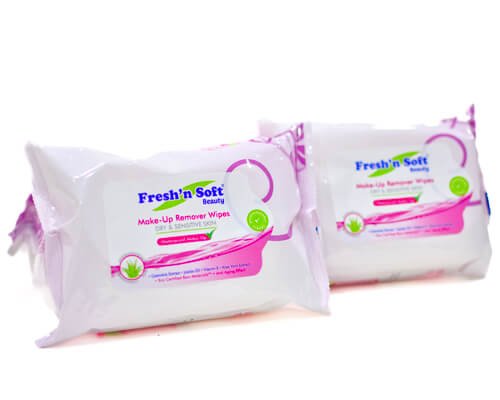
Health & Hygiene Inc. offers two makeup remover formulas specifically designed around these skin type distinctions: the Makeup Remover Wipes for Dry and Sensitive Skin, formulated with additional moisturising agents for the skin types that need hydration alongside cleansing, and a separate formula for normal and combination skin. Both are available in the makeup removal collection.
Micellar Technology Why It Has Become the Sensitive Skin Standard
Micellar water technology is now the baseline expectation in the sensitive skin makeup remover category, and understanding why it works explains why it has largely replaced older solvent-based formulas at the gentle end of the market.
Micelles are tiny spherical structures formed by surfactant molecules in water. Each micelle has a water-attracting outer shell and an oil-attracting core. When a micellar-formula wipe is used on skin, the micelles surround and lift makeup, oil, and surface debris the oil-based pigments in foundation, mascara, and eyeliner are drawn into the oil-attracting core of the micelle and lifted cleanly away from the skin surface, suspended in the water phase of the formula so they wipe off with the cloth rather than being redistributed across the face.
The result is effective makeup removal without the need for strong solvents, heavy rubbing, or a rinse step. Micellar formulas are inherently low-irritation because the surfactants used to form micelles are milder than traditional cleansing surfactants they lift rather than strip. For sensitive skin that reacts to strong rubbing as much as to harsh ingredients, the gentle wiping action that micellar technology enables is part of the benefit, not just the formula itself.
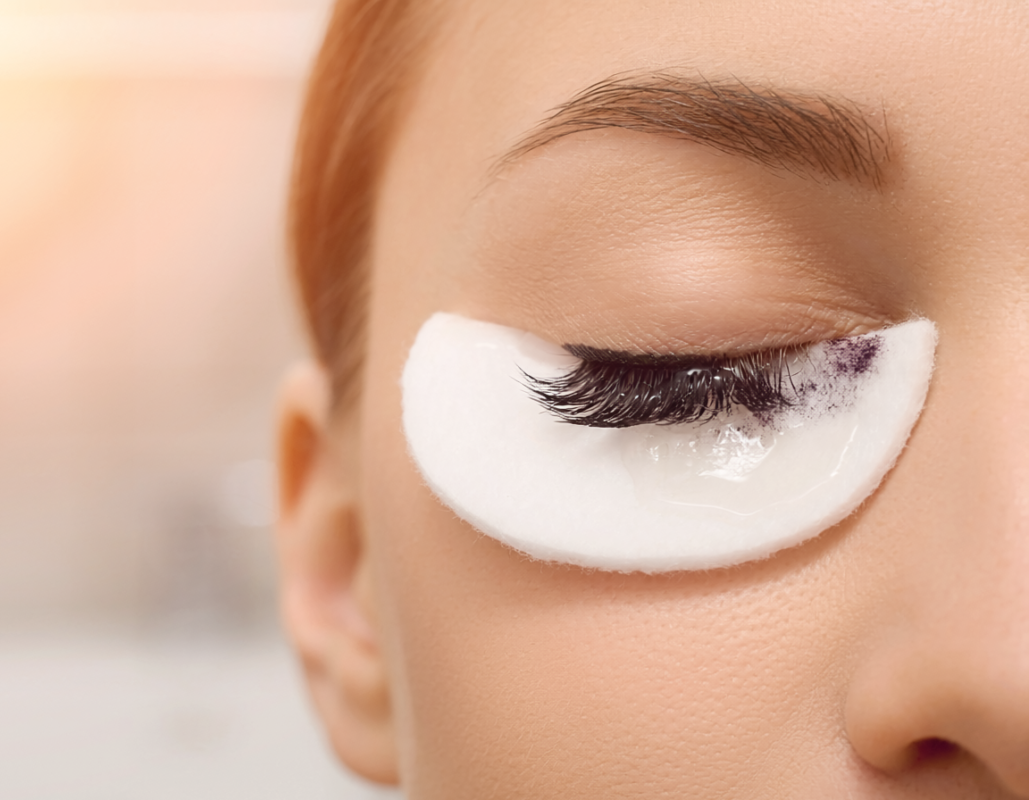
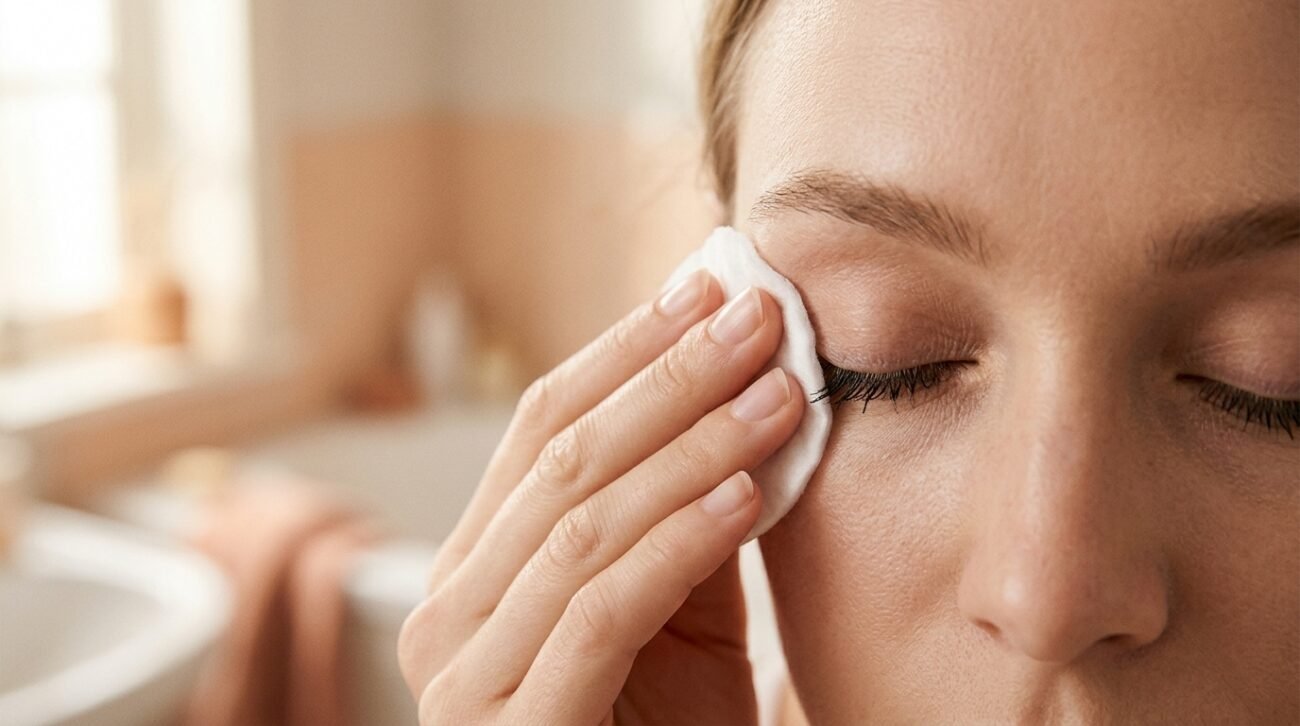
The eye area benefits particularly from micellar technology. A micellar wipe used with light pressure over closed eyes dissolves waterproof mascara and eyeliner without the repeated rubbing that tugs at the delicate skin around the eye and contributes to long-term elasticity loss. This is one reason ophthalmologist-tested micellar wipes have become the dominant recommendation for sensitive-eye makeup removal.
What to Look for Specifically in the Canadian Market
Canadian shoppers have a different regulatory and retail landscape than US shoppers, and the wipe that tops an American best-of list is not always the best choice for a Canadian buying with Canadian supply chains, Health Canada product registration, and Canadian retail availability in mind.
The brands most widely available in Canadian pharmacy chains Shoppers Drug Mart, Jean Coutu, London Drugs, and Walmart Canada include Cetaphil, Neutrogena, NIVEA, Marcelle, and Bioderma as the sensitive-skin makeup wipe staples. Cetaphil and Bioderma both have strong dermatologist credibility in the Canadian market specifically, and both offer fragrance-free, alcohol-free formulas that meet the core criteria for sensitive skin.
Canadian-made options are a smaller but growing category. Marcelle is a Quebec-founded brand with genuinely fragrance-free and hypoallergenic formulas that have been developed with the Canadian market as the primary context. For shoppers who want to buy Canadian-made specifically, Marcelle is the most accessible pharmacy-available option.
For shoppers sourcing online with a preference for a multi-pack format that reduces per-wipe cost over a six-pack supply, Health & Hygiene’s makeup remover wipes offer both the dry/sensitive and normal/combination formulas in a six-pack format practical for daily use over several weeks without restocking.
A Practical Buying Checklist for Sensitive Skin Makeup Wipes in Canada
- Fragrance-free on the label AND in the ingredient list Check both. “Unscented” is not the same as fragrance-free unscented products can contain masking fragrances to cover other smells.
- Alcohol-free Specifically look for the absence of ethanol, SD alcohol, denatured alcohol, or isopropyl alcohol in the ingredient list.
- Non-comedogenic Particularly important if your sensitive skin overlaps with acne-prone or breakout-prone skin.
- Ophthalmologist-tested if you wear eye makeup Especially for waterproof mascara or liner, confirm the product is specifically evaluated for the eye area.
- Micellar or water-based formula Micellar technology provides the most thorough yet gentle removal action for sensitive skin, particularly around the eyes.
- Soothing botanicals as supporting ingredients Aloe vera, chamomile, green tea, and oat extract are the most common and best-evidenced soothing ingredients in sensitive skin formulas. These are additions rather than the primary cleaning actives, but they signal a formula designed with skin comfort as a priority.
- Skin-type specific formulation A wipe that distinguishes between dry/sensitive and normal/combination skin is more likely to have been formulated with specific skin behaviour in mind than a one-size-fits-all “sensitive” label.
Frequently Asked Questions
Can I use makeup remover wipes every night on sensitive skin?
Yes, provided the formula meets the core sensitive-skin criteria: fragrance-free, alcohol-free, non-comedogenic, and formulated with gentle surfactants. Dermatologists generally recommend following a wipe with a gentle rinse-off cleanser for a thorough double-cleanse, particularly for skin that is also acne-prone, but for everyday makeup removal a suitable wipe used consistently is a practical and well-tolerated routine.
Are makeup remover wipes safe for sensitive eyes?
Those specifically labelled ophthalmologist-tested and formulated for the eye area are. Not all makeup remover wipes are safe for direct use around the eyes check the product label and instructions specifically for eye-area use guidance before using any wipe on the eyelid skin or lash line.
What is the difference between hypoallergenic and fragrance-free?
Hypoallergenic means the formula has been developed to minimise common allergens, but there is no regulated definition or testing standard for the term in Canada. Fragrance-free has a more specific meaning it means no fragrance compounds are present and is the more reliable indicator of low-irritation potential for fragrance-sensitive skin.
Do I need to rinse after using makeup remover wipes?
Most modern makeup remover wipes, particularly micellar formulas, are designed as no-rinse products they remove makeup and surface debris cleanly without needing a water rinse afterward. However, dermatologists often recommend a follow-up gentle cleanser as part of a thorough nightly routine, particularly for skin that is also acne-prone.
Why does my skin still feel tight after using a sensitive skin wipe?
Tightness after using a “sensitive” wipe often indicates either an alcohol content in the formula you have not spotted, a surfactant that is too stripping for your specific skin type, or a formula that is not sufficiently hydrating for dry skin. Switching to a formula specifically designed for dry and sensitive skin, with added humectants like glycerin or hyaluronic acid, usually resolves the tightness feeling.
The best makeup remover wipe for sensitive skin is not the one with the most reassuring label it is the one whose formula actually delivers the five criteria that matter: fragrance-free, alcohol-free, non-comedogenic, hypoallergenic, and ophthalmologist-tested for the eye area. In Canada in 2026, those criteria can be met across a range of price points from dermatologist-recommended pharmacy brands to Canadian-made options and online multi-pack formats.
The skin-type distinction within sensitive skin is the step most shoppers skip: dry and sensitive skin needs a different formula than normal or combination skin with occasional sensitivity. Matching the wipe to that specific skin behaviour rather than buying on the basis of the word “sensitive” alone is the difference between a wipe that works every night and one that accumulates in a drawer after a week of use.
Browse the full range of makeup remover wipes in our makeup removal collection, including the dry and sensitive skin formula designed specifically for Canadian shoppers with skin that needs gentle, alcohol-free, fragrance-free daily care.