
Alcohol Wipes vs Disinfecting Wipes What’s the Real Difference?

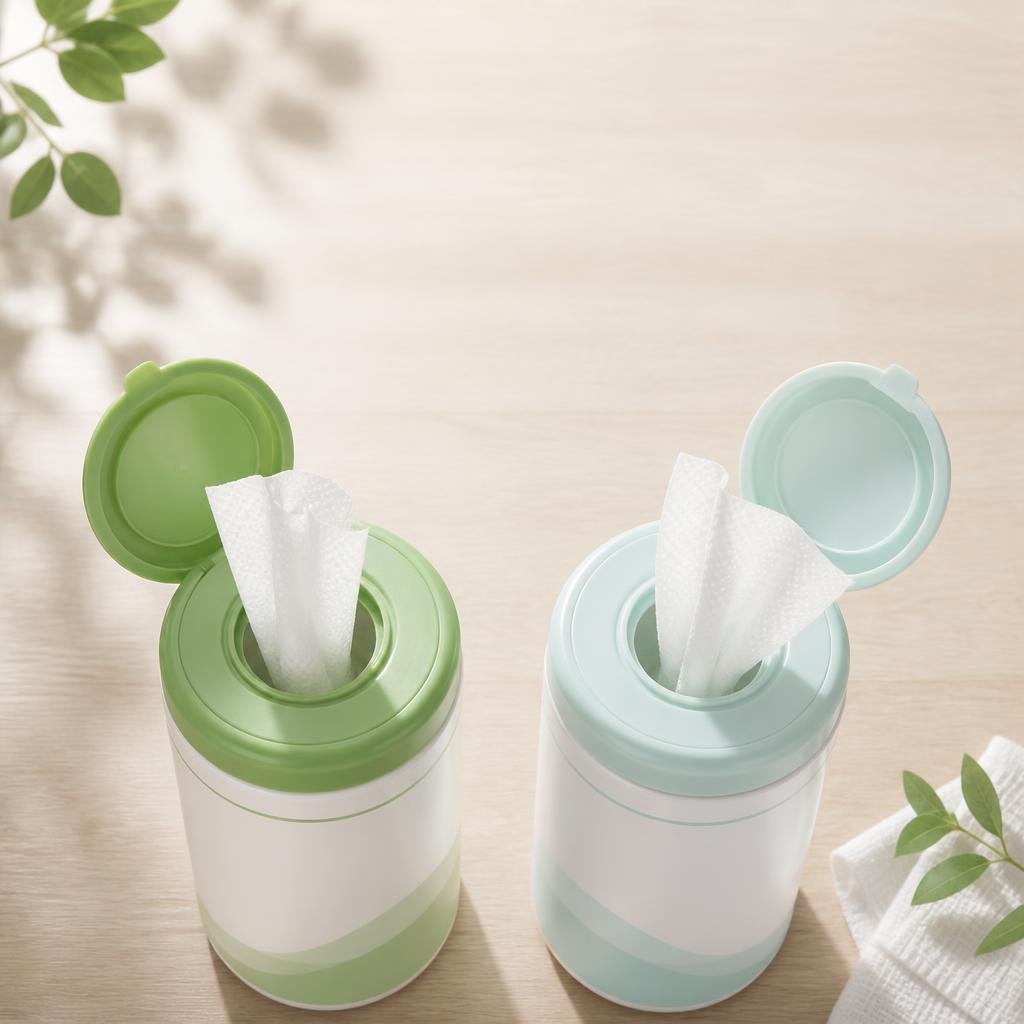
Walk down the cleaning aisle of any Canadian pharmacy and you'll see “alcohol wipes” and “disinfecting wipes” sitting side by side, often with near-identical packaging promises. It's easy to assume they're two competing products doing the same job. They aren't and understanding why changes which one you should actually be reaching for, especially in a household with kids, food-prep surfaces, or daily high-frequency use.
Here is the distinction most shoppers never get told: alcohol-based wipes are not a separate category from disinfecting wipes. They are one specific type of disinfecting wipe, built around one specific active ingredient. The real comparison isn't “alcohol wipes vs. disinfecting wipes” it's alcohol-based disinfecting wipes vs. alcohol-free disinfecting wipes. Once that's clear, the rest of the decision becomes much easier.
What Alcohol Wipes Are Actually Built For
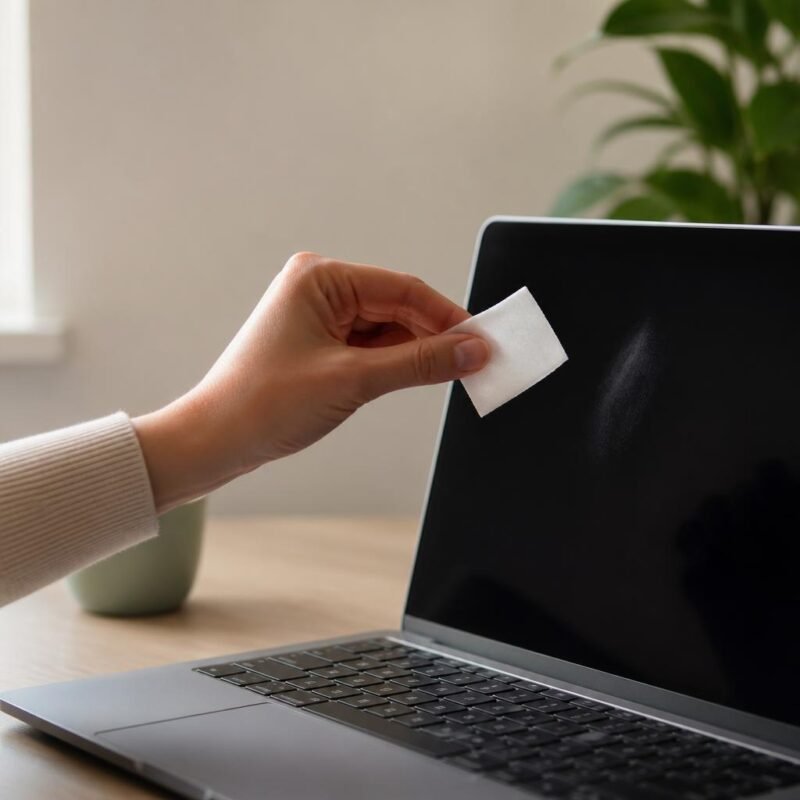
Alcohol wipes use isopropyl or ethyl alcohol as their active ingredient, typically in the 60–80% concentration range. Alcohol kills germs by breaking down the outer membrane of bacteria and many viruses on contact, and it does this fast often within seconds. That speed is the entire selling point. Alcohol evaporates quickly, leaves no visible residue, and doesn't require any rinsing step, which is exactly why it became the default choice for quick personal-item wipe-downs: phone screens, eyeglasses, gym equipment, doorknobs on the way out the door.
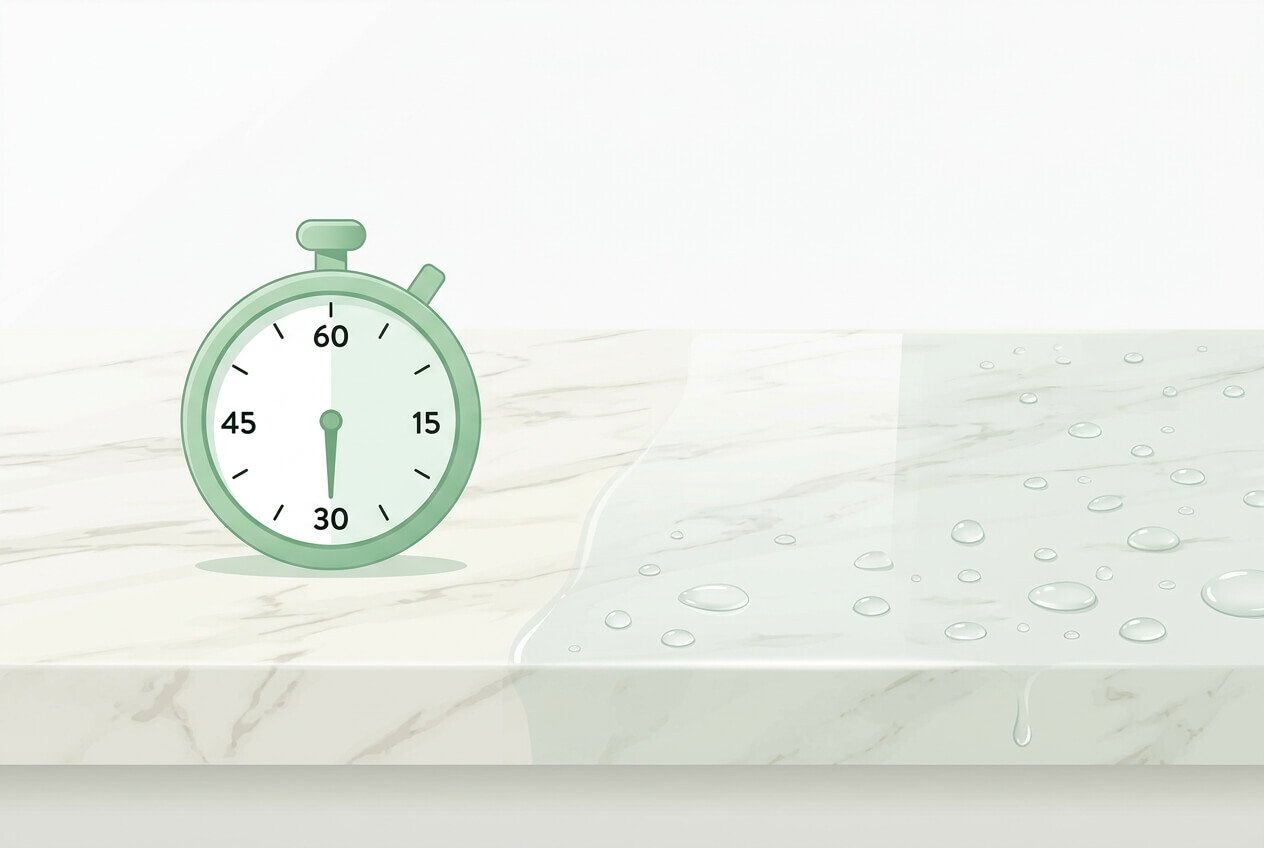
But that same evaporation speed is also alcohol's biggest limitation as a surface disinfectant. Earlier in this series we covered why contact time keeping a surface visibly wet for a set number of seconds or minutes is the actual mechanism that determines whether a disinfecting product works. Alcohol's fast evaporation works against this. In a warm kitchen, near an open window, or on a porous material that soaks up liquid quickly, an alcohol-based wipe can dry out before the labeled contact time is reached, meaning the kill claim on the package was never technically met.
Alcohol is also flammable, which rules it out for use near open flames, stovetops, or certain electronics with exposed components. And because alcohol is genuinely toxic if ingested in any meaningful quantity, manufacturers and pediatric safety guidance both recommend caution using alcohol-based wipes on any surface a small child might put in their mouth shortly afterward high chair trays, toys, teething surfaces.
What Alcohol-Free Disinfecting Wipes Do Differently
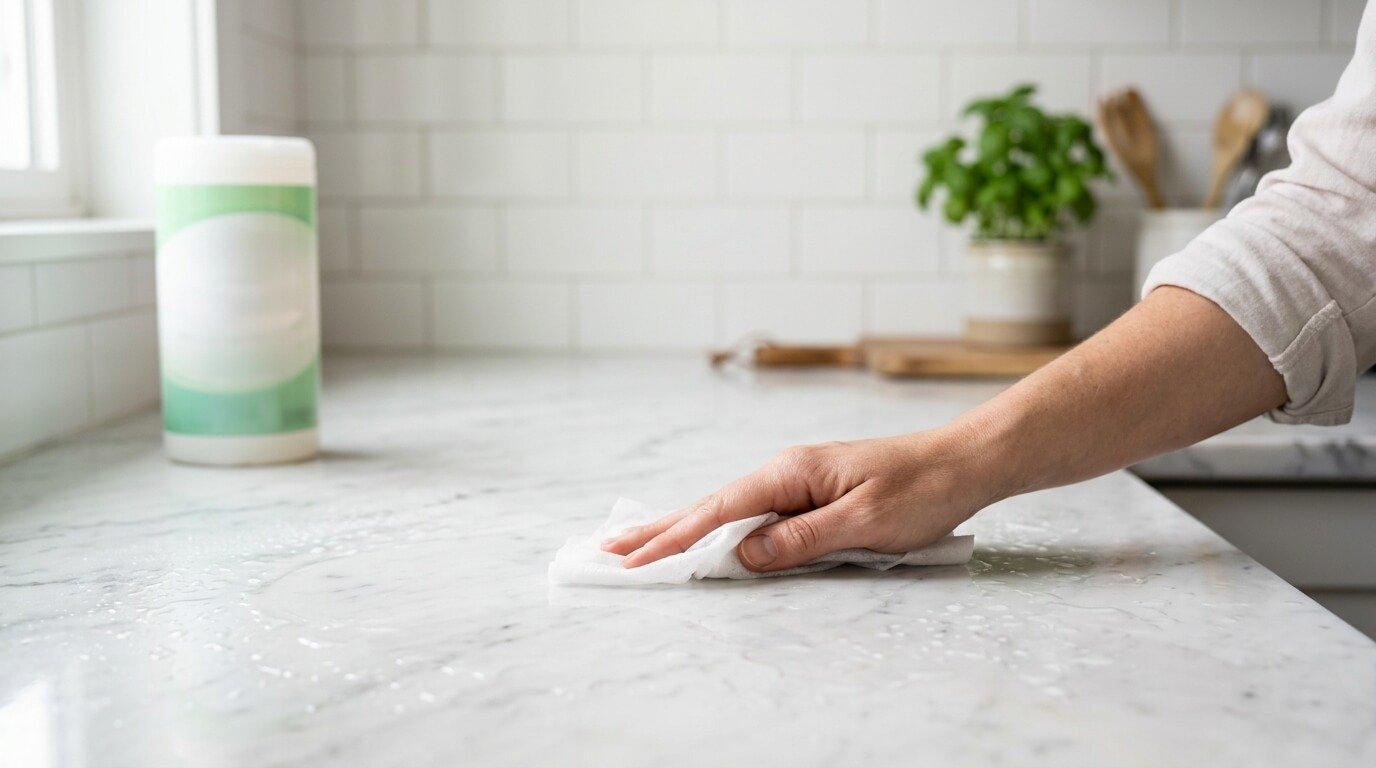
Alcohol-free disinfecting wipes typically rely on a different active ingredient family most commonly quaternary ammonium compounds (often shortened to “quats”) or benzalkonium chloride. These compounds work through a different mechanism than alcohol: rather than rapidly dehydrating a microorganism's membrane, they disrupt and break down the cell wall over a slightly longer working window. The practical result is a formula that evaporates more slowly, which actually works in its favor a longer-lasting wet surface means more reliable contact time, which means a higher likelihood the labeled kill claim is genuinely achieved in real-world use, not just in a lab test.
This slower evaporation also makes alcohol-free wipes noticeably gentler. They don't carry the fire risk alcohol does, they're less likely to dry out or damage finished surfaces and certain plastics with repeated use, and they tend to be better tolerated by sensitive skin since there's no rapid solvent action drawing moisture out of the surface they're used on.
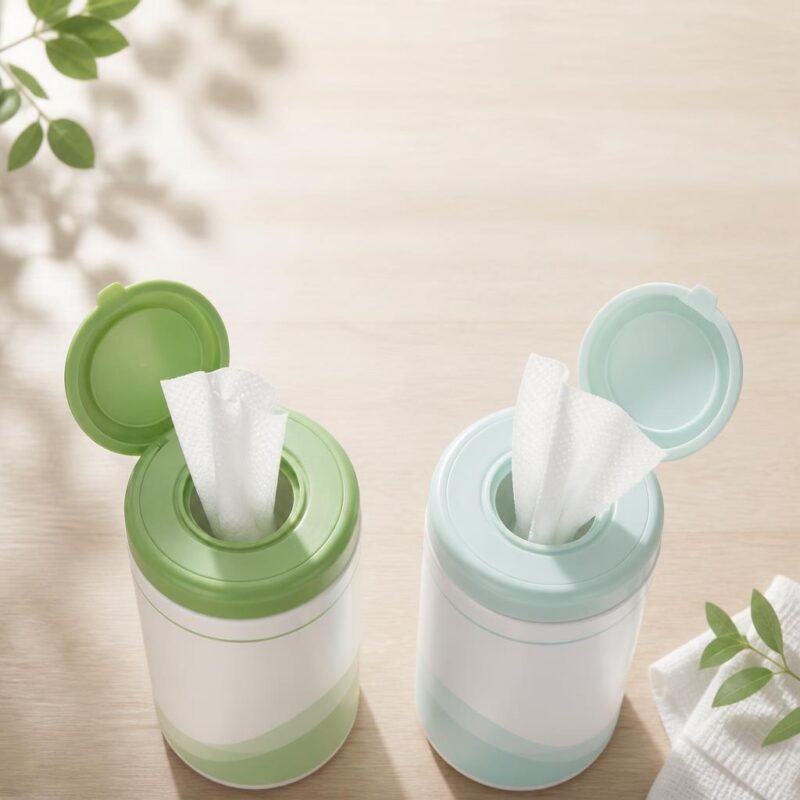
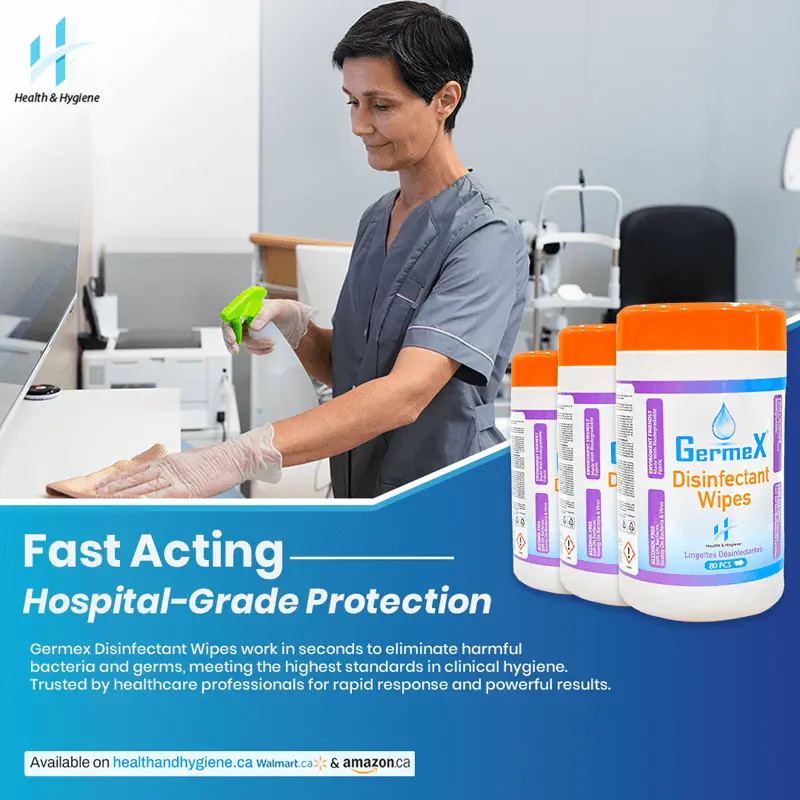
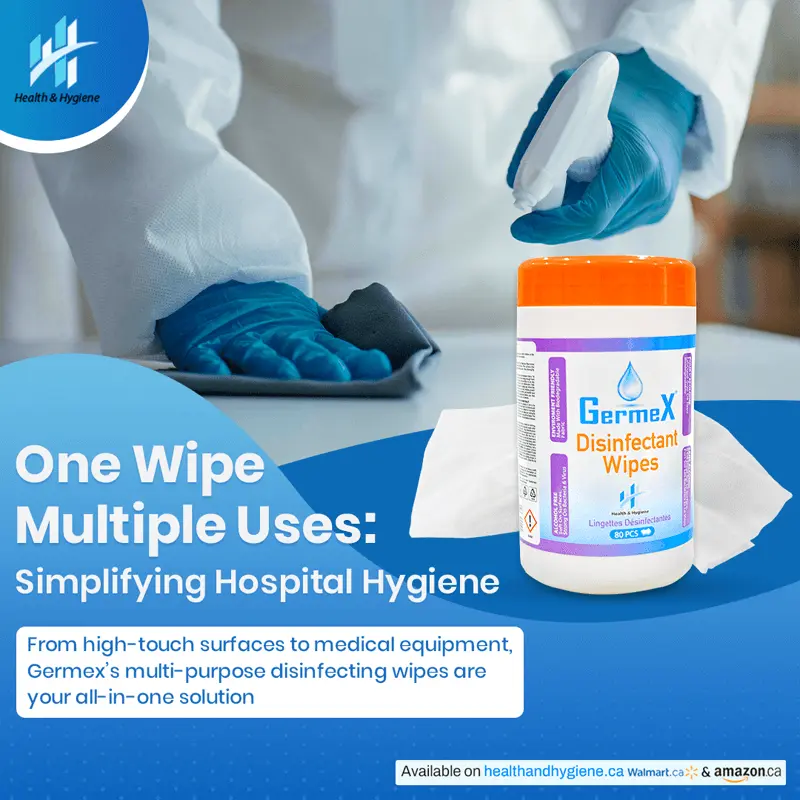
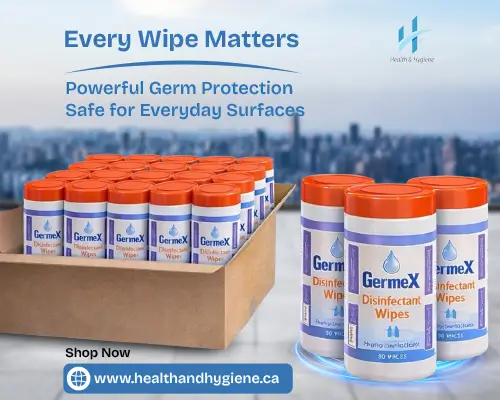
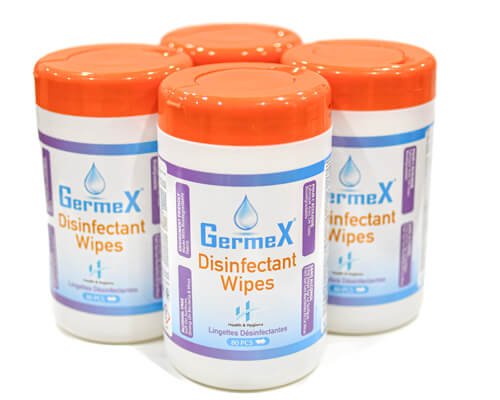
This is the formulation category GermeX sits in. Every GermeX wipe is built on an alcohol-free, Health Canada–registered disinfecting formula, which is part of why it's positioned as safe for food-contact surfaces, gentle for daily household use, and suitable around children without the same caution flags that come with alcohol-based products. You can see the full range in our disinfecting wipes collection.
GermeX vs Lysol: Where the Formulas Actually Differ
This comparison comes up often enough that it deserves a direct answer. Lysol's disinfecting wipe lineup includes both alcohol-based and non-alcohol formulations depending on the specific product line, and like most major disinfecting brands, their classic wipes are formulated around a broader industrial-strength active ingredient profile designed for maximum kill-claim breadth across many pathogens.
GermeX takes a narrower, more deliberate approach: a single alcohol-free formula built specifically around being gentle enough for repeated daily use, safe on food-contact surfaces without a rinse step, and suitable in households with children while still carrying full Health Canada disinfectant registration for its kill claims. The difference isn't that one brand is “stronger” and the other “weaker.” It's that GermeX is formulated around everyday household safety and frequency of use as the primary design goal, rather than maximum industrial-strength breadth. For a kitchen counter that gets wiped down multiple times a day, or a household with young kids and pets, that design choice tends to matter more than raw kill-spectrum size.
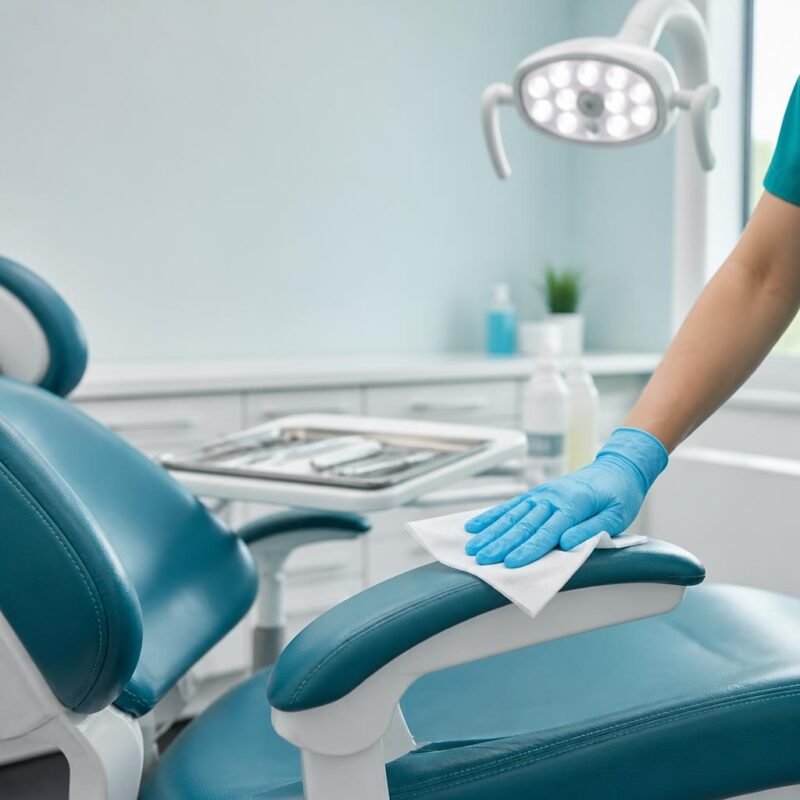
If your use case is closer to an industrial or clinical setting where surface variety and pathogen breadth matter more than daily gentleness, an alcohol-based or broader-spectrum product may be the better fit. If your use case is a real Canadian kitchen, bathroom, or nursery that gets touched constantly throughout the day, the alcohol-free, food-safe, repeat-use profile is the one built for that job.
Where Alcohol Wipes Still Make Sense
None of this means alcohol wipes are the wrong choice they're simply the right tool for a narrower set of jobs. They remain genuinely useful for:
- Quick wipe-downs of electronics like phone screens and laptop keyboards, where fast evaporation and no residue matter more than extended contact time
- Eyeglasses and small optical surfaces, where a thin, fast-drying layer is preferable to a longer-dwelling wet wipe
- On-the-go situations gym equipment, public transit handles, travel where speed and portability outweigh the need for food-surface safety
- Targeted, precision applications on small or delicate components where a full-size wipe would be impractical
Where Alcohol-Free Disinfecting Wipes Are the Better Everyday Choice
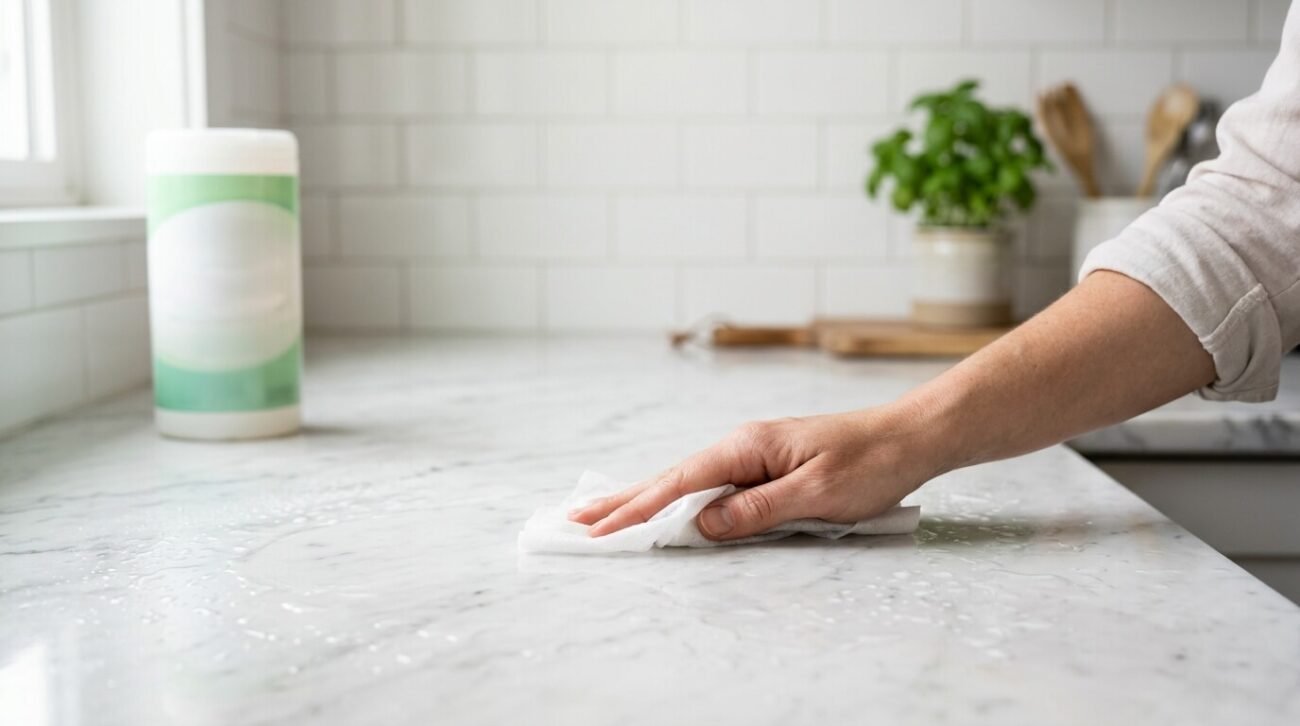
- Kitchen counters, cutting boards, and dining tables surfaces that touch food and shouldn't need rinsing after disinfecting
- Homes with young children high chairs, changing tables, toys, and any surface kids may put their hands or mouths on shortly after cleaning
- High-frequency daily use surfaces wiped down multiple times per day benefit from a gentler formula that won't dry out or damage materials over time
- Anyone with sensitive skin who handles cleaning wipes regularly without gloves
- Anywhere near heat sources or open flame, where alcohol's flammability is a genuine consideration
Why This Distinction Matters More Than Marketing Suggests
Packaging on both sides of this comparison tends to oversimplify. Alcohol-wipe packaging leans on words like “instant” and “fast-acting” to suggest superiority, while some alcohol-free products lean on “gentle” and “natural” in a way that can imply weaker disinfecting power, even when the product carries full registered kill claims. Neither framing is really telling shoppers what they need to know, which is: what active ingredient is in this wipe, what is it tested against, and what contact time does it require to work.
This is exactly why checking for a Health Canada DIN the Drug Identification Number printed on a properly registered disinfectant matters more than the words “alcohol” or “alcohol-free” on their own. Both formula types can be genuinely effective disinfectants when properly registered and used at the correct contact time. The ingredient family tells you about trade-offs in safety, surface compatibility, and daily-use comfort not which one is inherently more or less capable of disinfecting.
A good way to think about it: alcohol content tells you about the personality of a wipe fast, evaporative, slightly more aggressive while the DIN tells you about its credentials. Shoppers comparing GermeX to alcohol-based brands are really choosing between two different personalities of registered disinfectant, not between a “real” disinfectant and a lesser one.
FAQs
Are alcohol-free wipes weaker than alcohol-based wipes?
Not necessarily. Effectiveness comes down to whether a product is registered and proven against specific pathogens at its labeled contact time not which active ingredient family it uses. A properly registered alcohol-free wipe can meet the same verified kill claims as an alcohol-based one.
Can I use alcohol wipes on my kitchen counter?
You can, but always check whether the specific product is labeled food-contact safe and whether a rinse step is required not all alcohol-based disinfectants are approved for food-prep surfaces without rinsing.
Why does GermeX choose alcohol-free over alcohol-based?
Slower evaporation supports more reliable contact time, the formula is gentler for the high-frequency daily use a household kitchen and bathroom actually get, and it removes the fire-risk and ingestion-toxicity concerns that come with alcohol while still meeting full Health Canada disinfectant registration.
Is it safe to mix alcohol wipes and alcohol-free disinfecting wipes in one household?
Yes many households use alcohol wipes for electronics and on-the-go items, and an alcohol-free disinfecting wipe like GermeX for kitchen, bathroom, and child-facing surfaces. The two formats serve different jobs well.
Alcohol wipes and disinfecting wipes aren't really competitors alcohol is simply one ingredient choice within the broader disinfecting wipe category, and it comes with real trade-offs in contact time, flammability, and skin gentleness. For quick, fast-drying jobs on electronics or small items, alcohol still earns its place. But for the surfaces a Canadian household actually touches the most kitchen counters, dining tables, anything near kids an alcohol-free, Health Canada–registered formula is built for exactly that kind of everyday, repeated use.
Explore Canada's alcohol-free disinfecting wipe in our full disinfecting wipes collection every GermeX wipe is Health Canada registered, alcohol-free, and safe for daily use on the surfaces your family touches most.