
The Complete Guide to Travel Disinfectant Wipes for Canadians (2026)

Every seasoned Canadian traveller knows the feeling: you board a plane, drop into your seat, and immediately notice the tray table has something dried on it that you would rather not think about too hard. Studies on airplane surface hygiene have confirmed what most travellers already suspect — tray tables consistently rank among the most bacteria-laden surfaces a passenger touches, often worse than the flush button in the airplane bathroom. And that’s before you consider the hotel TV remote, the rental car steering wheel, or the airport security bin that hundreds of hands have reached into that morning.
Travel disinfecting wipes solve this problem cleanly and compactly. But with questions around airline rules, format choices, and which wipes are actually built for travel rather than just marketed for it, the decision is less obvious than it looks on the shelf. This guide covers everything a Canadian traveller needs to know going into 2026.
Can You Bring Disinfecting Wipes on a Plane?
Yes without restriction. Both the TSA (for flights departing US airports) and CATSA, the Canadian Air Transport Security Authority (for flights departing Canadian airports), allow disinfecting wipes in carry-on bags and checked luggage with no quantity limit and no size restriction. Critically, wipes are not classified as liquids under either agency’s rules, which means the 3-1-1 liquids rule the one that limits containers to 100ml and requires a clear zip bag does not apply to wipes at all.
You can bring a full-size canister, a soft travel pack, or a handful of individually wrapped wipes in your carry-on without putting them in your liquids bag or declaring them at security. They go through the scanner the same way your laptop does: in the bin, no special handling required.
One practical note: keeping wipes in their original, sealed packaging when going through security is advisable not because it’s required, but because it eliminates any ambiguity at the checkpoint and prevents the packaging from being opened and inspected separately. Original sealed packaging also keeps wipes from drying out during a long travel day, which matters more than most people realize until they pull out a wipe at hour six of a connection and find it half-dry.
The Dirtiest Surfaces to Wipe Down Before You Touch Them
Knowing that wipes are allowed is step one. Knowing where to actually use them is where the real hygiene payoff is. Not all travel surfaces carry equal risk, and the ones that look clean are not always the ones that are. Here are the six highest-priority surfaces for any Canadian traveller:
- Airplane tray table Folds flat when not in use, which means it gets touched on both sides and rarely gets a thorough clean between flights. Wipe the top surface, the latch, and the fold mechanism.
- Seat-back pocket One of the most overlooked surfaces in travel hygiene research used by everyone in the row and almost never cleaned between flights. Avoid putting anything you eat or drink directly into it; wipe the opening and outer surface.
- Overhead bin latch and armrest controls Both get handled during boarding by every passenger in the surrounding rows. Quick wipe before you touch them.
- Hotel TV remote Among the most consistently bacteria-positive surfaces in hotel room hygiene studies. A wipe takes three seconds and makes the whole stay more comfortable.
- Hotel light switches and door handles Same logic as the remote high-touch, rarely sanitized between guests, and the first things you touch when you check in.
- Rental car steering wheel, gear shift, and touchscreen The previous renter’s hands are all over these. A quick wipe-down before you drive off is one of the easiest travel hygiene habits to build.
Soft Pack vs. Canister: Which Format Is Actually Better for Travel
This is a format question more Canadian travellers should be asking before they pack, because the difference matters more in a carry-on than it does under a kitchen sink.
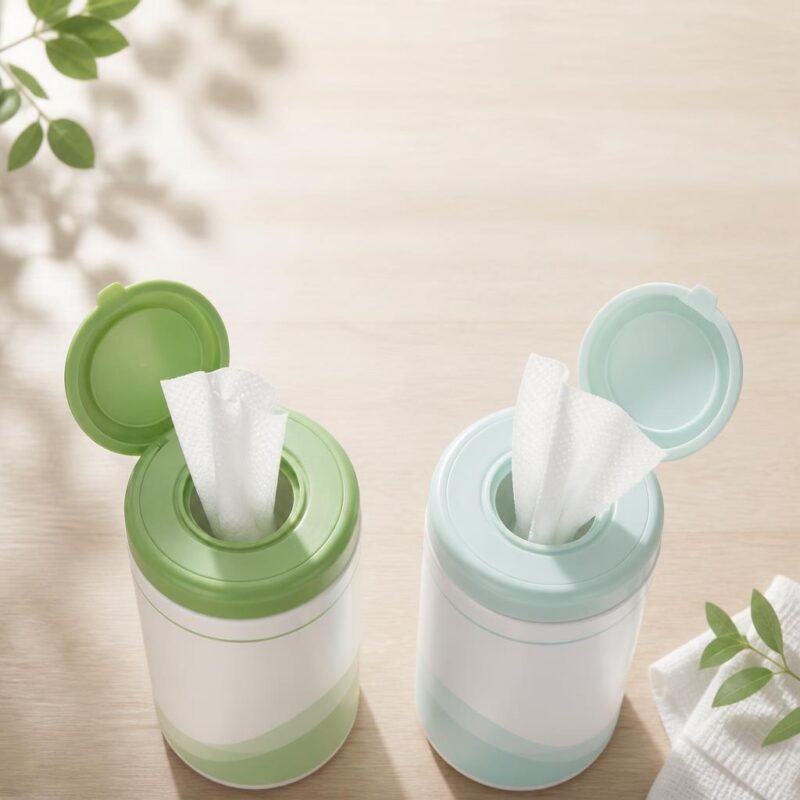
Canisters are sturdy, keep wipes moist reliably over time, and work well for destinations where you’ll be based in one place a hotel room, a vacation rental and pulling from the same container repeatedly over several days. The drawback is physical: they’re bulky, cylindrical, and take up disproportionate space in a carry-on relative to how many wipes they contain. They can also be susceptible to pressure changes at altitude, which occasionally causes the lid to pop and the top wipe to dry out if the seal isn’t tight.
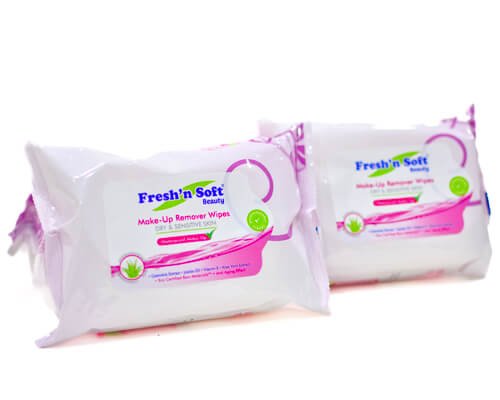
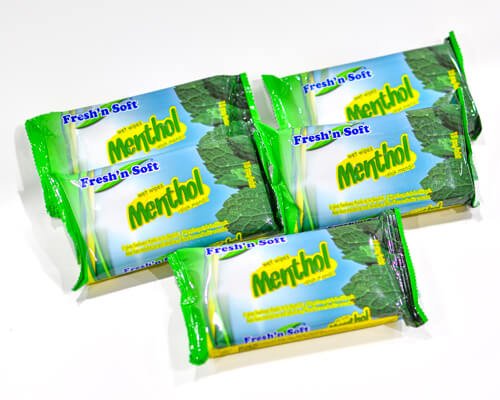
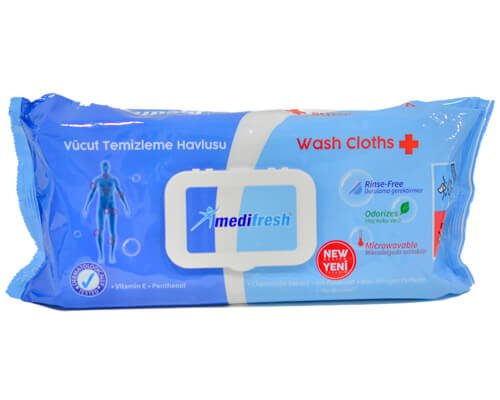
Soft travel packs are the smarter carry-on format. They compress flat, fit easily in a jacket pocket, purse, or the front sleeve of a backpack, and the resealable flap keeps wipes moist effectively during a travel day. Individual wipe packets single wipes sealed in foil are the most compact option of all and work well for day trips, commutes, or slipping two or three into a wallet or small bag without adding any meaningful weight or bulk.
The practical recommendation: use a soft travel pack or individual wipe packets in your carry-on for the flight and airport. Pack a canister or two in checked luggage if you want a supply for the full trip. This way you have the right format at hand at every stage of the journey without sacrificing carry-on space.
Why Alcohol-Free Wipes Are the Better Choice for Air Travel
This comes up in travel hygiene guides less often than it should. The standard instinct is to reach for an alcohol-based wipe they feel effective, they dry fast, and they’re widely available. But in an airplane cabin, those same characteristics become drawbacks.
Airplane cabin air is already significantly drier than normal indoor air humidity levels in a pressurized cabin typically run around 10–15%, lower than most Canadian winters. Alcohol-based wipes on already-dry hands compound this, and multiple uses across a long-haul flight can leave hands noticeably cracked and uncomfortable. For travellers who use wipes frequently throughout a journey airport, boarding, mid-flight, landing, hotel check-in an alcohol-free formula is simply easier on skin with repeated use.
The scent factor in a confined space also matters in ways it doesn’t at home. A sharp alcohol smell that dissipates quickly in a well-ventilated kitchen can linger in a narrow aircraft cabin and bother the passengers seated immediately around you. Fragrance-free or lightly scented alcohol-free wipes are a more considerate choice in that environment, and most travellers find them equally effective for the surfaces they actually need to clean while travelling.
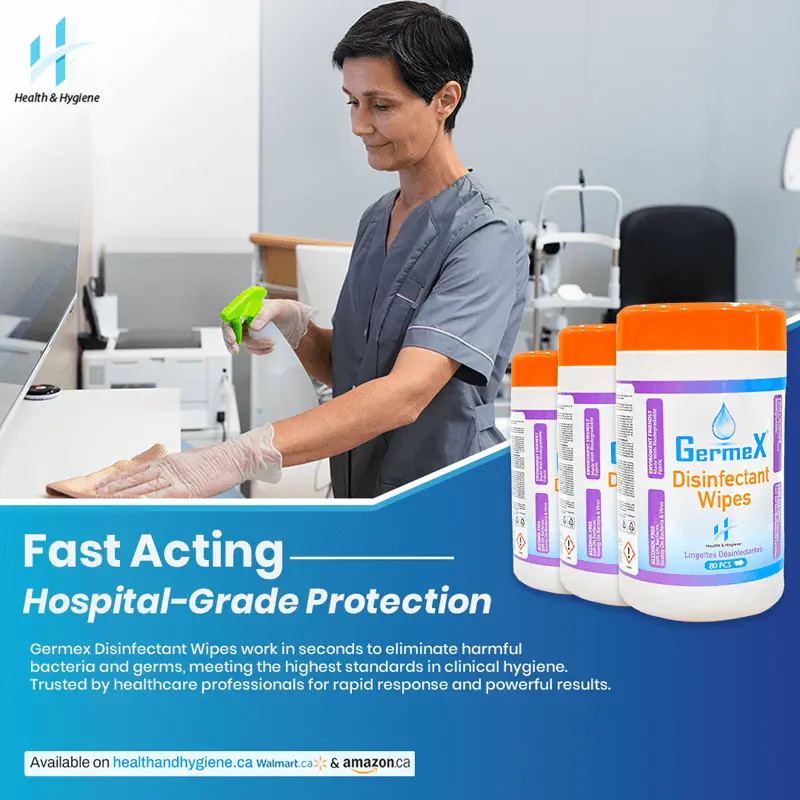
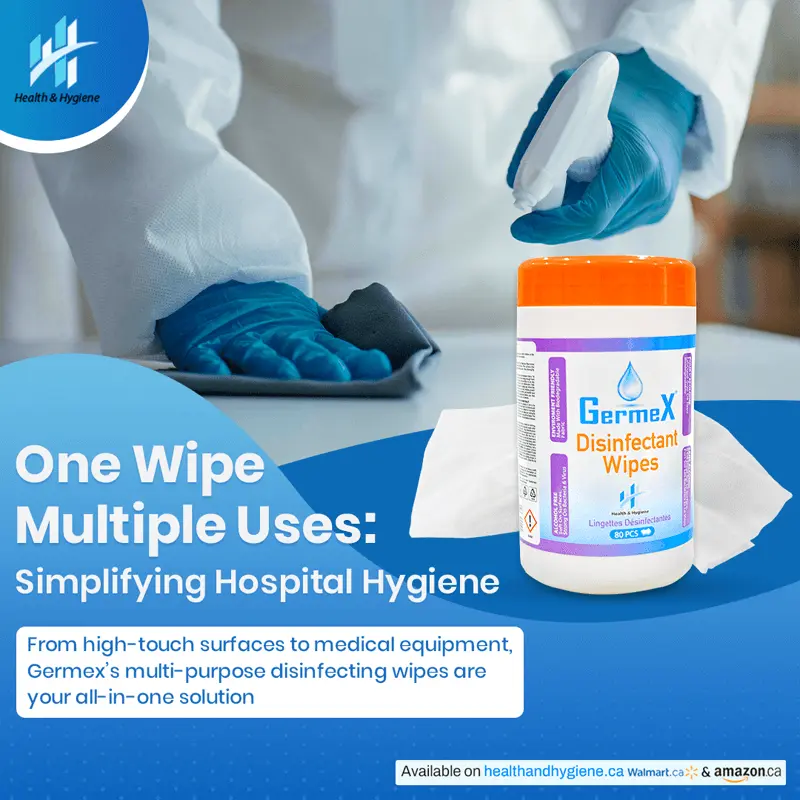
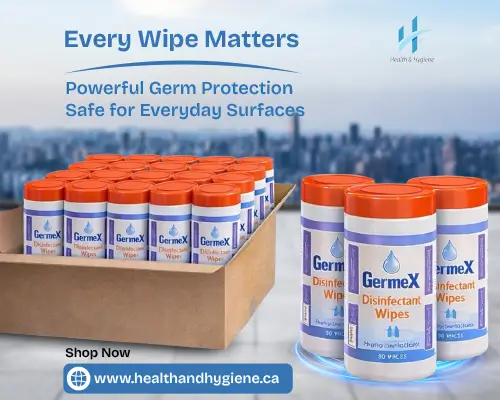
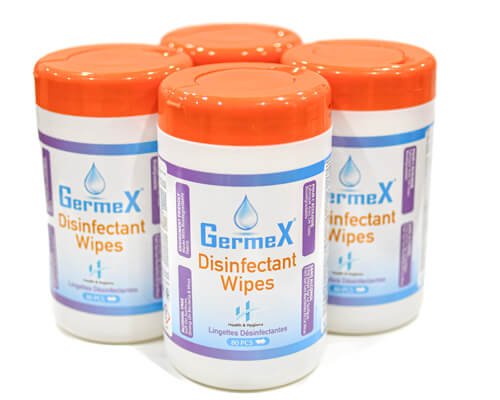
These are the reasons GermeX wipes are built the way they are: alcohol-free, Health Canada registered, and gentle enough for high-frequency use across a full travel day. Browse the full travel ready wipes collection to see the current pack options
Beyond the Plane: Hotels, Rental Cars, and Public Transit
The airport and the aircraft are where most travellers think to use disinfecting wipes, but the contact surfaces that follow are just as relevant and often get less attention.
Hotel rooms present a consistent hygiene challenge because turnover is fast and the visible cleanliness of a room fresh sheets, clean bathroom doesn’t tell you much about what’s happened to the high-touch surfaces in between. Beyond the TV remote and light switches, it’s worth wiping the bathroom faucet handles and the phone handset, both of which get touched constantly by guests and cleaned inconsistently. If you’re travelling with young children, wipe the surfaces closest to floor level the area around the minibar, the base of the bathroom door, any surface a toddler is likely to touch and then put hands to mouth.
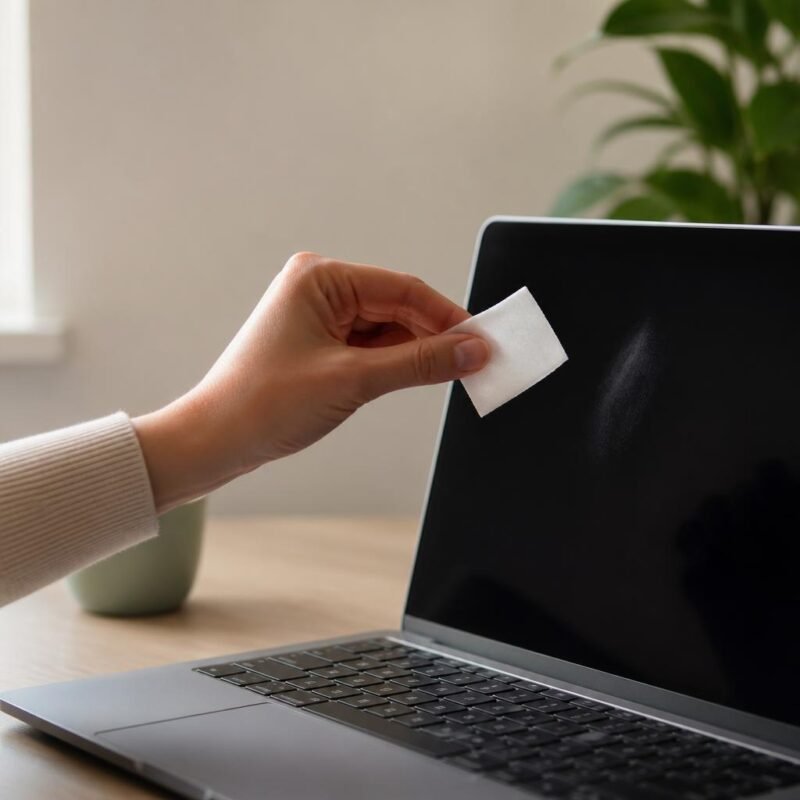
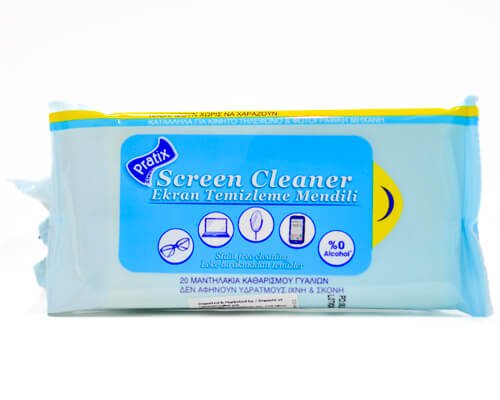
Rental cars present a similar challenge. The steering wheel, seatbelt buckle, door handles, and the infotainment touchscreen all get handled by the previous renter and by the lot attendants preparing the car. A two-minute wipe-down before you drive off sets a clean baseline for the entire rental period. Use an alcohol-free wipe on touchscreens specifically alcohol can damage the anti-glare coating on some modern displays with repeated use.
Public transit buses, trains, and subways in unfamiliar cities has the same logic as airport security bins: high volume, many hands, fast turnover, and infrequent deep cleaning. Pole grips, seat armrests, and ticket validation terminals are the surfaces worth targeting. A single wipe on your hands after exiting transit and before you eat anything is one of the highest-return hygiene habits a traveller can build.
What to Look for in a Travel Disinfecting Wipe
Not every wipe marketed as a “travel wipe” is a registered disinfectant. Some are general cleaning wipes, some are antibacterial without being virucidal, and some are skin wipes that aren’t designed for hard surfaces at all. Four things are worth checking before a wipe goes in your travel kit:
- Health Canada registration (DIN) Confirms the product is a tested and approved disinfectant, not just a cleaning wipe with good packaging. This is the standard Canada uses; the equivalent for American-made products is EPA List N registration.
- Alcohol-free formula Better for repeated use across a long travel day, gentler on skin in dry cabin air, and no scent concerns in confined spaces.
- Resealable travel-format packaging Soft pack or individual wipes. Keeps the wipes moist throughout a travel day and takes up minimal carry-on space.
- Food-safe surface approved (no rinse required) Important if you’re wiping tray tables or any surface that will have contact with food or a child’s hands shortly after cleaning.
Frequently Asked Questions
Do disinfecting wipes count as a liquid at Canadian airport security?
No. CATSA does not classify pre-moistened wipes as liquids. They go through security in your carry-on the same as any other solid item no liquids bag, no size restriction, no quantity limit.
Can I use wipes to clean airplane tray tables?
Yes, and this is one of the most recommended travel hygiene habits. Wipe the tray surface, the latch, and the fold mechanism before use. Airlines do clean between flights, but contact time and thoroughness vary significantly by carrier and route.
How many wipes should I pack for a week-long trip?
A soft pack of 20–30 wipes is sufficient for most one-week trips if you’re using them selectively on high-priority surfaces. If you’re travelling with young children or plan to use wipes daily in a rental car or hotel, pack a canister in your checked luggage as a supply for the trip
Are alcohol wipes safe on airplane touchscreens and electronics?
Alcohol can damage anti-glare coatings on some modern screens with repeated use. An alcohol-free wipe is the safer choice for any electronic display or screen surface during travel.
What’s the best format for wipes on a long-haul international flight?
Individual sealed wipe packets or a compact resealable soft pack. Both fit in a jacket pocket or the front of a personal item, stay moist during a full travel day, and don’t take up meaningful carry-on space.
Travel disinfecting wipes are one of the most compact, genuinely useful items a Canadian traveller can carry allowed in carry-on bags without restriction, effective on the surfaces that actually carry the most contamination risk, and practical in a way that hand sanitizer alone isn’t, since sanitizer doesn’t clean tray tables or hotel remotes. The format and formula choices matter more than the brand logo: look for a registered, alcohol-free, travel-format wipe that’s approved for food-contact surfaces.
Explore the full travel ready wipes collection for compact, Health Canada registered options built for exactly this kind of use, or browse the complete disinfecting wipes range if you’re stocking up before a longer trip.