

Wipes for Removing Makeup The Best Options in Canada by Skin Type

Most makeup remover wipe guides rank products. This one starts with your skin type, because the right wipe for oily skin is a different product than the right wipe for dry or sensitive skin and using the wrong one can leave your skin more irritated after cleansing than it was with makeup on.
This guide covers what to look for and what to avoid on the ingredient list for each skin type, what the five main Canadian skin types actually need from a wipe, and how to use a makeup remover wipe correctly to protect your skin barrier rather than damage it. The product category page for the full H&H makeup removal range is linked below.
Why Skin Type Matters More Than Brand
A makeup remover wipe does two jobs: it lifts and suspends makeup so it can be wiped away, and it leaves the skin in the same condition it was before cleansing ideally, a little better. The formula that does both jobs well for oily skin (lightweight, non-comedogenic, slightly astringent) is actively wrong for dry or sensitive skin, where the same formula strips the moisture barrier and triggers TEWL transepidermal water loss the process by which skin loses water through the outer layer when that layer is compromised.
Brand recognition is not a useful guide here. Neutrogena, Garnier, and Simple all make wipes for multiple skin types within the same product line, and the differences between their sensitive-skin and standard formulas are real. Choosing by brand rather than formula means you may be getting a product designed for someone else’s skin.
Ingredients to Look For and Avoid by Skin Type
Skin type | Priority | Look for | Avoid |
|---|---|---|---|
Oily skin | Non-comedogenic | Micellar water, salicylic acid, witch hazel extract, oil-free formula | Mineral oil, heavy emollients, petrolatum, coconut oil |
Dry skin | Hydrating | Glycerin, hyaluronic acid, aloe vera, vitamin E, ceramides | Alcohol (ethanol/isopropyl), SLS, high fragrance, astringents |
Sensitive skin | Fragrance-free | Micellar water, aloe vera, chamomile, panthenol, minimal ingredients | Fragrance, essential oils, alcohol, dyes, preservatives (parabens) |
Combination | Balanced | Micellar water, niacinamide, lightweight glycerin, non-comedogenic formula | Heavy oils on T-zone area, alcohol on dry areas, high fragrance |
Mature skin | Barrier-supporting | Peptides, vitamin E, ceramides, squalane, gentle non-stripping formula | Alcohol, sulfates, high-pH formulas, abrasive textures |
Ingredient guidance based on published dermatology literature and Canadian skincare formulation standards. Always patch-test a new wipe formula on the inner wrist before full facial use.
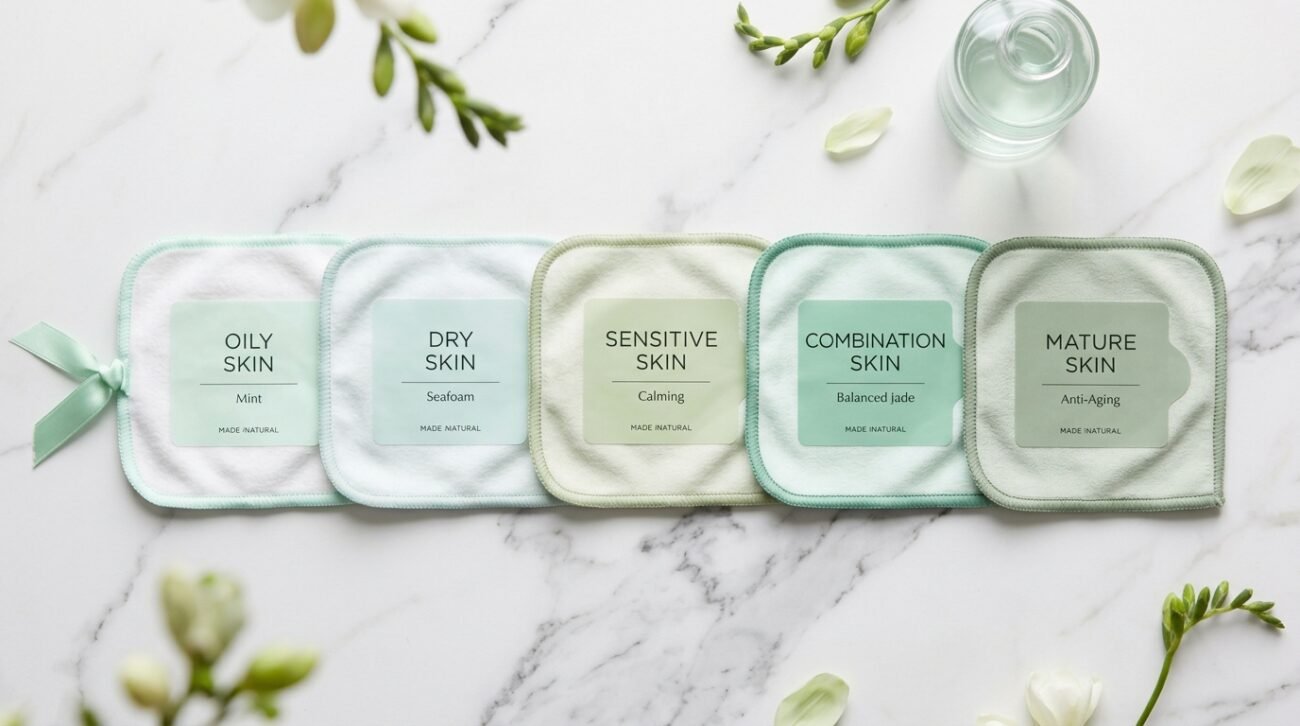
The Best Makeup Remover Wipes in Canada by Skin Type
Oily Skin
Oily skin produces excess sebum, which means the makeup remover wipe also needs to cut through an oil layer on the skin surface before it reaches foundation or mascara. Micellar water-based formulas do this effectively the micelle molecules attract both oil and water, so they lift sebum and makeup simultaneously without leaving a heavy residue.
What to look for: a lightweight, water-based or micellar formula that is specifically labelled non-comedogenic (meaning it will not clog pores). Witch hazel extract provides mild astringency that helps reduce the appearance of enlarged pores after wiping. Salicylic acid in low concentrations (0.5–1%) can help with post-cleansing congestion on oily skin.
What to avoid: wipes with mineral oil or coconut oil in the formula. These are effective makeup removers on dry skin but can contribute to comedones on oily or acne-prone skin. Heavy emollient formulas designed for dry skin are the wrong choice here.
Dry Skin
Dry skin lacks sufficient lipids in the outer skin layer (stratum corneum) to retain moisture effectively. A makeup remover wipe that strips any residual lipid layer which alcohol-based formulas do worsens TEWL and leaves skin feeling tight and flaky after cleansing. The formula priority for dry skin is hydration delivery alongside makeup removal.
What to look for: glycerin (a humectant that draws water into the skin), hyaluronic acid (holds up to 1,000 times its weight in water), aloe vera (soothes and hydrates), vitamin E (an antioxidant that supports the moisture barrier), and ceramides (lipid molecules that physically repair the barrier layer). A cream-based or oil-infused formula is appropriate for dry skin when the skin is not also acne-prone.
What to avoid: any wipe with ethanol or isopropyl alcohol in the first five ingredients. Fragrance even “natural” fragrance from essential oils is a common irritant that worsens dryness. Sodium lauryl sulfate (SLS) in a wipe formula is aggressive and strips lipids.
For a detailed guide to the best makeup remover wipes specifically for dry and sensitive skin types in Canada, read our dedicated post: Best Makeup Remover Wipes for Sensitive Skin in Canada 2026 Ranked.
Sensitive Skin
Sensitive skin reacts to a wider range of formula components than other skin types fragrance, preservatives, dyes, and even certain plant extracts can trigger redness, stinging, or contact dermatitis. The priority for sensitive skin is a minimal, fragrance-free formula with as few potential irritants as possible.
What to look for: a fragrance-free label (not “unscented” unscented products can still contain masking fragrances). Micellar water as the base formula is the gentlest carrier for sensitive skin. Aloe vera, panthenol (provitamin B5), and chamomile extract are soothing ingredients with good tolerability records on sensitive skin. A short ingredient list is a positive sign fewer components means fewer potential triggers.
What to avoid: fragrance is the most important to avoid, including “natural” fragrances and essential oils, which are common contact allergens. Alcohol in any form, parabens (methylparaben, propylparaben), dyes and colour additives, and chemical exfoliants (AHAs, BHAs) are all higher-risk ingredients for sensitive skin.
Combination Skin
Combination skin has an oily T-zone (forehead, nose, chin) and normal to dry cheeks. A makeup remover wipe formula that works well across both zones is a balanced, lightweight micellar formula that is non-comedogenic on the T-zone without being so astringent or alcohol-containing that it dries out the cheek area.
What to look for: micellar water base, niacinamide (regulates sebum on the T-zone while supporting the moisture barrier on drier areas), lightweight glycerin. A fragrance-free formula is recommended for combination skin because fragrance can trigger reactivity on the drier, more sensitive cheek area.
What to avoid: applying a heavy emollient or oil-rich formula across the full face. For combination skin, using a lightweight micellar wipe on the full face and addressing specific dryness on the cheeks with a separate moisturiser after cleansing is a more effective approach than trying to find a single wipe that hydrates the cheeks and controls the T-zone simultaneously.
Mature Skin
Mature skin has a thinner epidermis, reduced collagen production, and a compromised moisture barrier compared to younger skin. Friction during cleansing accelerates visible signs of ageing, and formula ingredients that strip lipids or cause TEWL are more damaging on mature skin than on younger skin. The makeup remover wipe priority for mature skin is a gentle, nourishing formula that supports the barrier rather than challenging it.
What to look for: peptides (small proteins that support collagen production), vitamin E, ceramides, and squalane (a lightweight plant-derived oil with excellent skin-barrier properties). A cream or balm-based formula is appropriate for mature skin that is not oily. The physical texture of the wipe matters a soft, non-abrasive substrate is important given the reduced resilience of mature skin.
What to avoid: alcohol in any form, sulfates, high-pH formulas, and wipes with abrasive texture or fragrance. Tugging or rubbing during the wipe step should be avoided on mature skin the gentle press-and-hold technique described below is particularly important.
How to Use a Makeup Remover Wipe Correctly
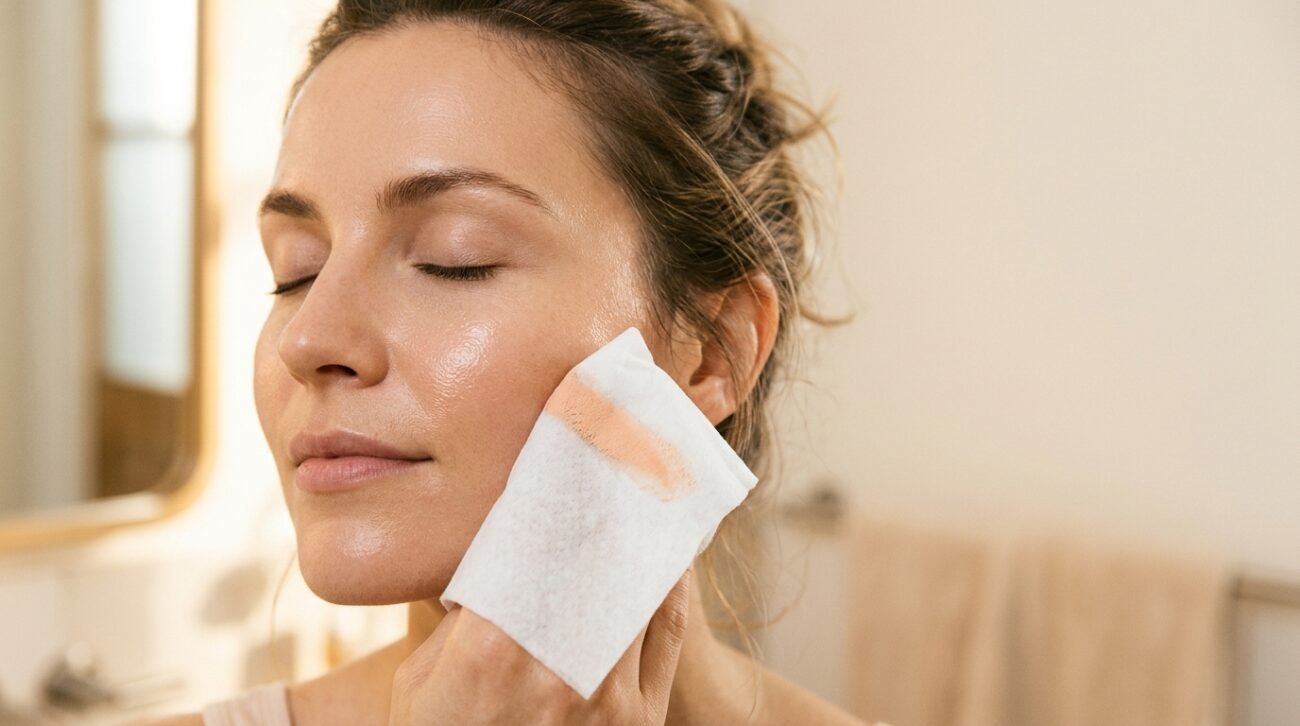
The formula matters, but technique matters equally. Using the wrong technique with a good wipe produces the same outcome as using the wrong formula irritated, stripped skin. These are the five technique principles that protect the skin barrier regardless of which formula you are using:
Step | Why it matters |
|---|---|
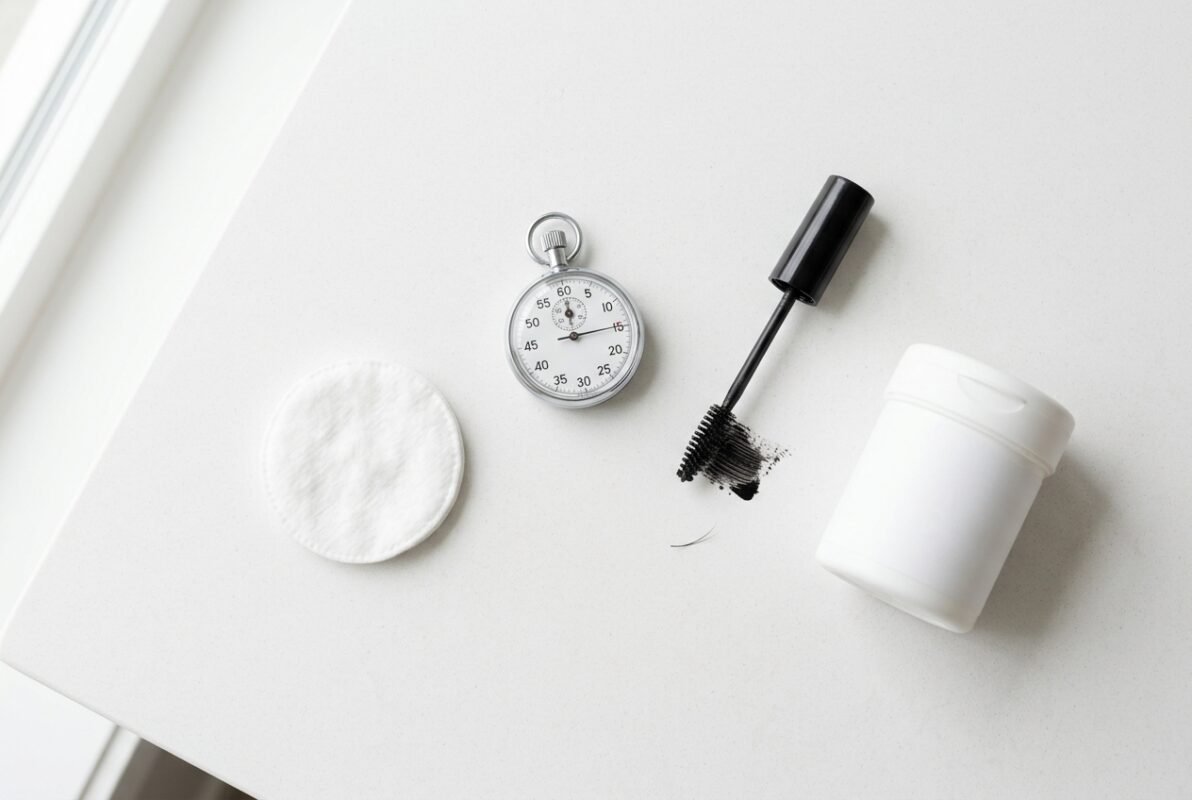
Hold do not drag | Press the wipe gently against skin for 3–5 seconds before wiping. Dragging immediately causes friction that disrupts the skin barrier and accelerates TEWL (transepidermal water loss), especially around the eyes. |
Wipe downward and outward | Upward strokes on the lower eyelid can push product into the eye and drag on delicate skin. Downward strokes on the face follow the direction of facial hair growth and reduce pore irritation. |
One wipe per area, not multiple passes | Repeated passes with the same wipe redistribute rather than remove makeup and increase friction per skin area. Use a fresh section of the wipe for each zone. |
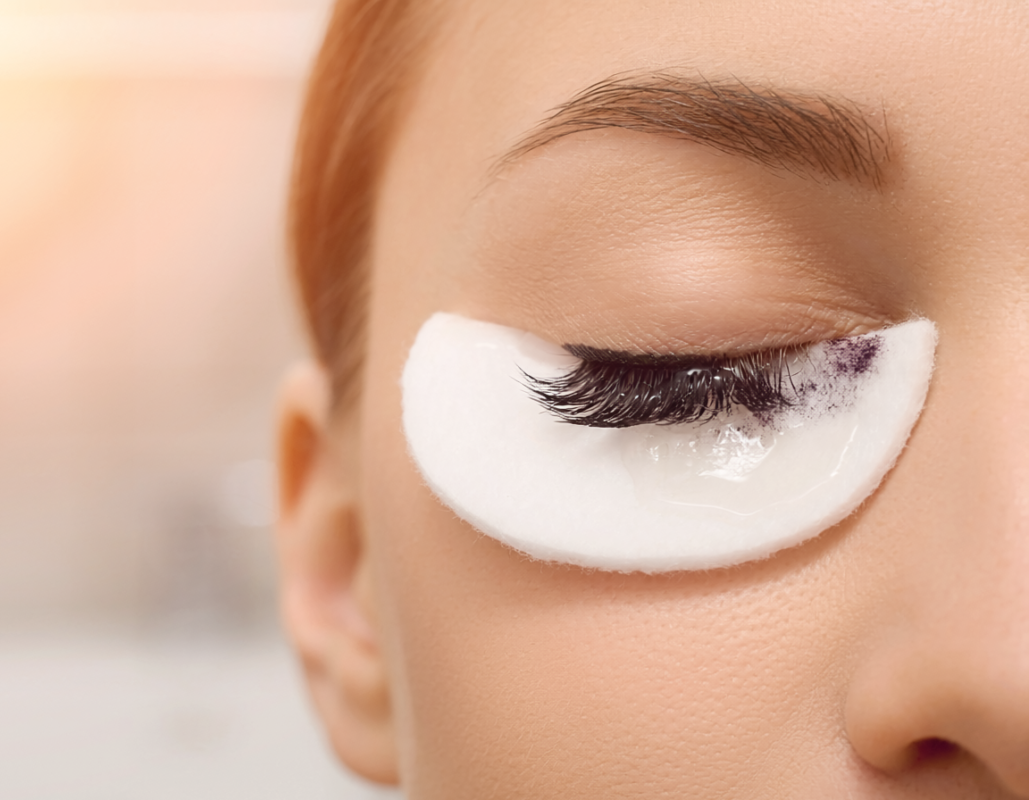
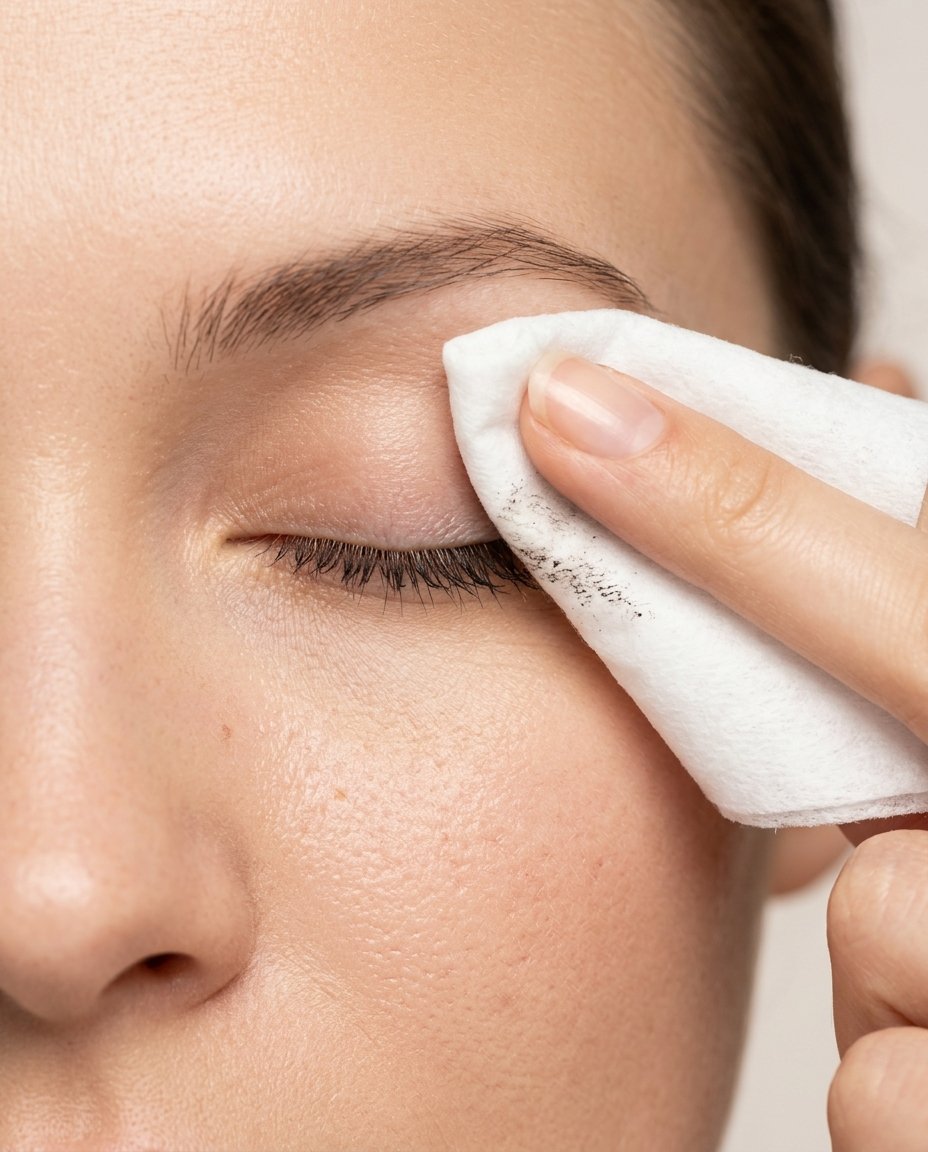
Eye area: fold and press, do not rub | The skin around the eye is the thinnest facial skin and the most prone to irritation from mechanical rubbing. Fold the wipe, press it against closed eyelids for 5–10 seconds, then wipe gently in one direction. |
Follow with a water rinse or second cleanse | A makeup remover wipe is step one, not a complete cleanse. Residual formula sitting on skin overnight even from a gentle wipe can clog pores or cause dryness. A quick water rinse or second cleanser removes residue. |
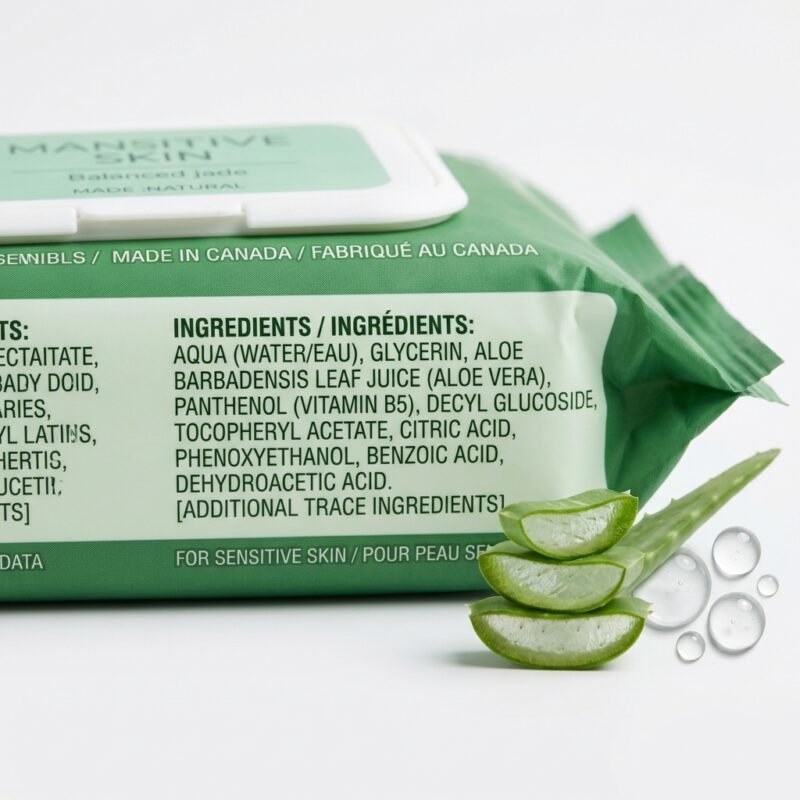
Wipe vs. Cleanser When to Use Which
A makeup remover wipe is step one in a two-step evening cleansing routine for anyone wearing foundation, concealer, or waterproof eye makeup. It lifts the bulk of makeup efficiently without requiring water or a sink. It is not a complete cleanse on its own.
Residual wipe formula including the dissolved makeup it has suspended sits on the skin surface after wiping. For most skin types, leaving this residue overnight increases the likelihood of clogged pores and morning skin texture issues. A quick water rinse or a second cleansing step (micellar water on a cotton pad, a gentle gel cleanser, or a cleansing oil) removes the residue and leaves skin fully clean.
The exception is a single-step routine for someone wearing light or no foundation. In this case, a gentle wipe followed by a water rinse can be sufficient. The wipe-plus-rinse combination is appropriate; the wipe-only combination without rinsing is not recommended for daily use across most skin types.
For makeup remover wipes specifically formulated for the eye area, including waterproof mascara and eyeliner removal, read Eye Makeup Remover Wipes for Sensitive Eyes Top Picks in Canada 2026.
Frequently Asked Questions
What is the best makeup remover wipe for sensitive skin in Canada?
For sensitive skin, look for a fragrance-free, alcohol-free micellar formula with a minimal ingredient list. Aloe vera, panthenol, and chamomile are soothing ingredients with good tolerability records. Avoid wipes with fragrance, dyes, or essential oils, which are common contact allergens for sensitive skin.
Can I use the same makeup remover wipe on my eyes and face?
Most standard makeup remover wipes are not ophthalmologist-tested for eye use. For the eye area especially waterproof mascara and eyeliner use a wipe or formula that specifically states it is safe for the eye area and ophthalmologist-tested. The skin around the eye is significantly thinner and more sensitive than the rest of the face and requires a gentler formula.
Do makeup remover wipes cause premature ageing?
Using the wrong technique dragging or rubbing can accelerate the appearance of fine lines around the eyes and mouth on mature and dry skin types. The press-and-hold technique (press gently for 3–5 seconds, then wipe in one direction) minimises mechanical friction and reduces this risk significantly.
Are makeup remover wipes a complete cleanse?
No. A makeup remover wipe lifts makeup efficiently but leaves residual formula and dissolved makeup on the skin surface. Following with a water rinse or a second cleansing step removes this residue and constitutes a complete cleanse. Wipe-only cleansing without rinsing is not recommended for daily use.
What ingredients should I avoid in makeup remover wipes for dry skin?
Ethanol and isopropyl alcohol are the most important to avoid for dry skin they strip lipids and worsen TEWL. Sodium lauryl sulfate (SLS), high fragrance levels, and astringent ingredients like witch hazel are also drying. Look for glycerin, hyaluronic acid, aloe vera, and vitamin E instead.
Shop Makeup Remover Wipes for Your Skin Type
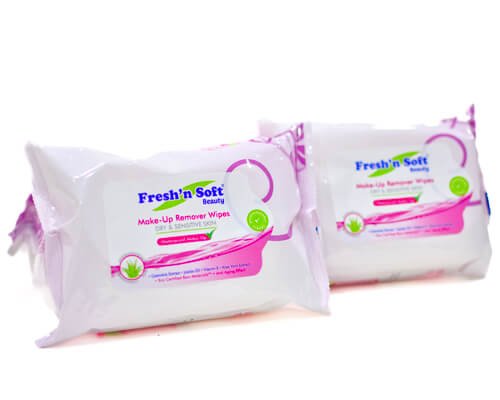
Browse the full range of makeup remover wipes available at Health & Hygiene Inc., including formulas for sensitive, dry, and combination skin types, at the makeup removal product category. For sensitive skin specifically, the detailed ranked guide is at Best Makeup Remover Wipes for Sensitive Skin in Canada 2026, and for eye makeup removal, see Eye Makeup Remover Wipes for Sensitive Eyes Top Picks in Canada 2026.