
All Purpose Disinfecting Wipes What Surfaces Can They Actually Clean?

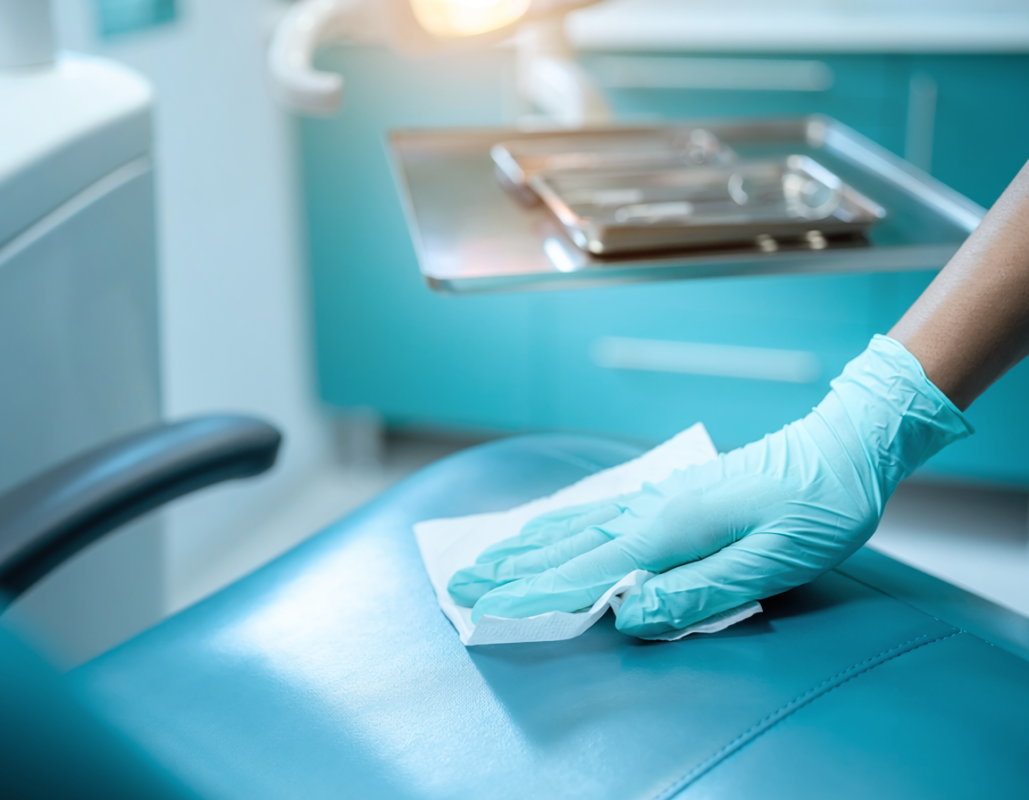
The phrase “all purpose” on a pack of disinfecting wipes does a lot of quiet overselling. It suggests these wipes can go anywhere in your home, on anything that needs cleaning, without any particular thought about what the surface is made of. In reality, disinfecting wipes are designed for a specific type of surface hard, non-porous and using them on the wrong materials does not just fail to disinfect, it actively damages those materials over time.
This guide covers exactly where disinfecting wipes work well, where they do not, and everything in between including the food-contact surface question that matters most in Canadian kitchens. At the end, there is a quick yes/no reference table for 20 common household surfaces so you can settle this once and reach for the right product every time.
The One Rule That Governs Everything: Hard and Non-Porous
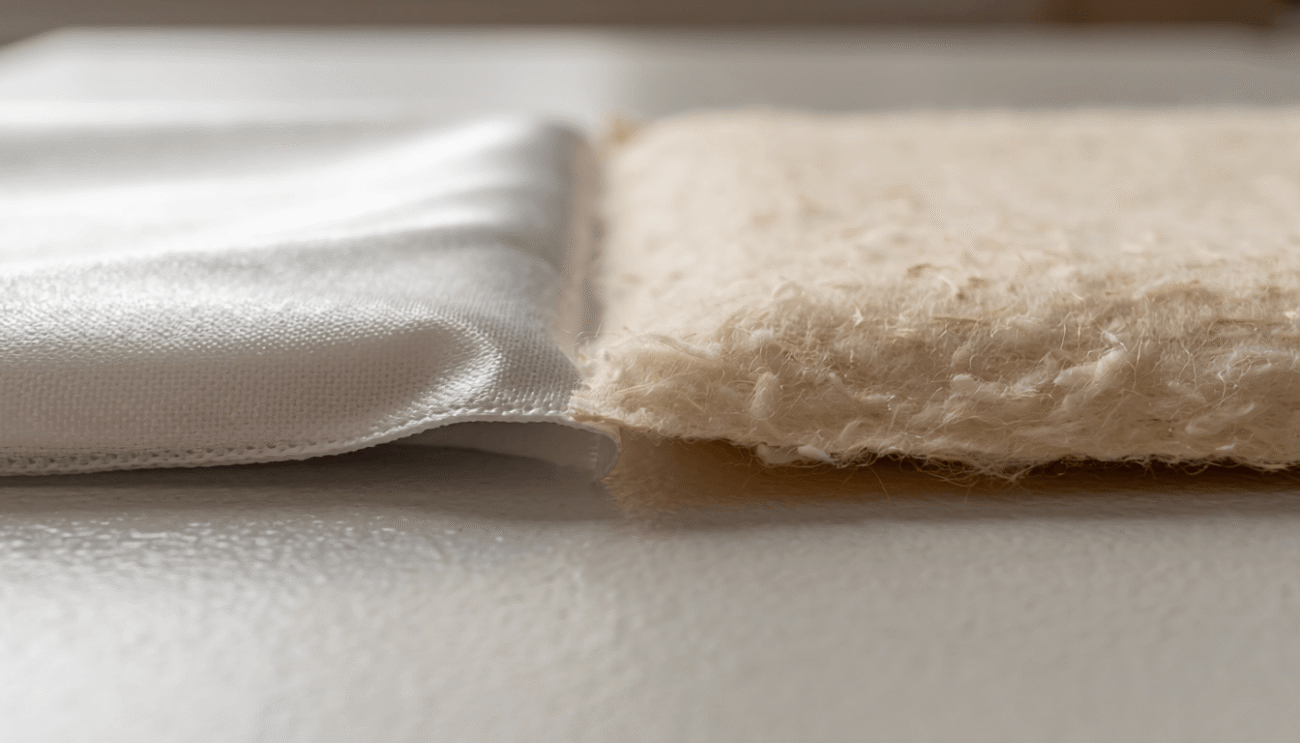
Every disinfecting wipe on the market regardless of brand, formula, or claims on the front of the canister is designed to work on hard, non-porous surfaces. These two words together are doing important work. “Hard” means the surface does not flex, compress, or absorb liquid under normal use. “Non-porous” means the surface has no microscopic openings, channels, or fibres that liquid can penetrate into.
Why does this matter for disinfection? Because the active ingredient in a disinfecting wipe needs to remain in contact with the surface for a defined period the contact time to achieve its kill claims. On a hard, non-porous surface, the liquid stays on top and in contact with any pathogens on the surface. On a porous material like raw wood, unsealed stone, or fabric, the liquid absorbs into the material, taking the active ingredient away from the surface where the germs are. Contact is broken, the disinfection does not happen, and the porous material is left wet with chemicals it was never designed to hold.
The practical implication: if a surface absorbs water when you drip it on, a disinfecting wipe is not the right tool for disinfecting it. If water beads or runs off, it probably is.
Room by Room: Where Disinfecting Wipes Belong in a Canadian Home Kitchen
The kitchen is where disinfecting wipes earn their place most clearly, and also where the most important formula question food contact safety needs to be answered before you buy.
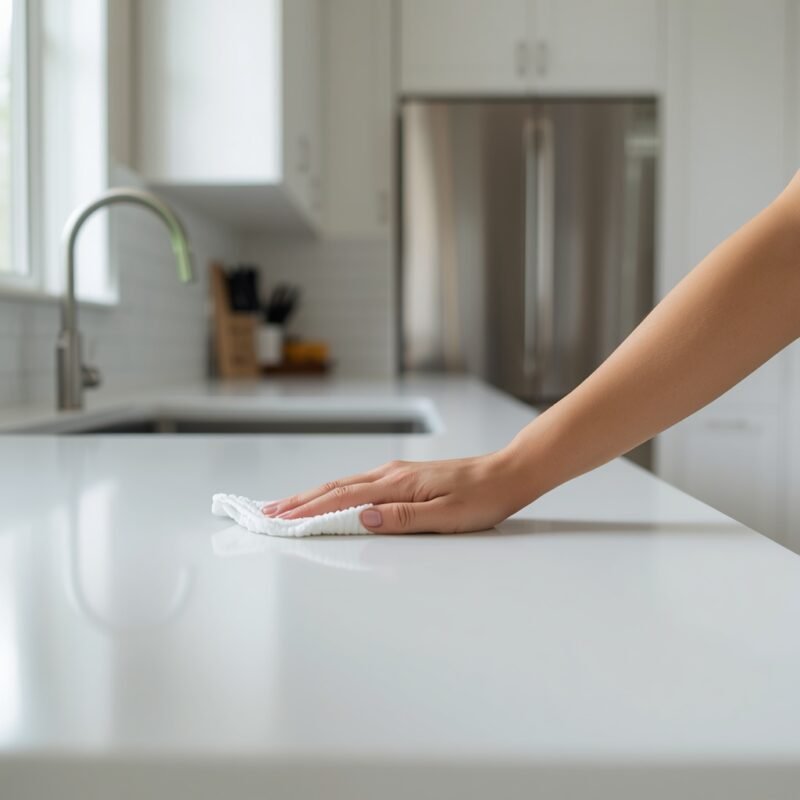
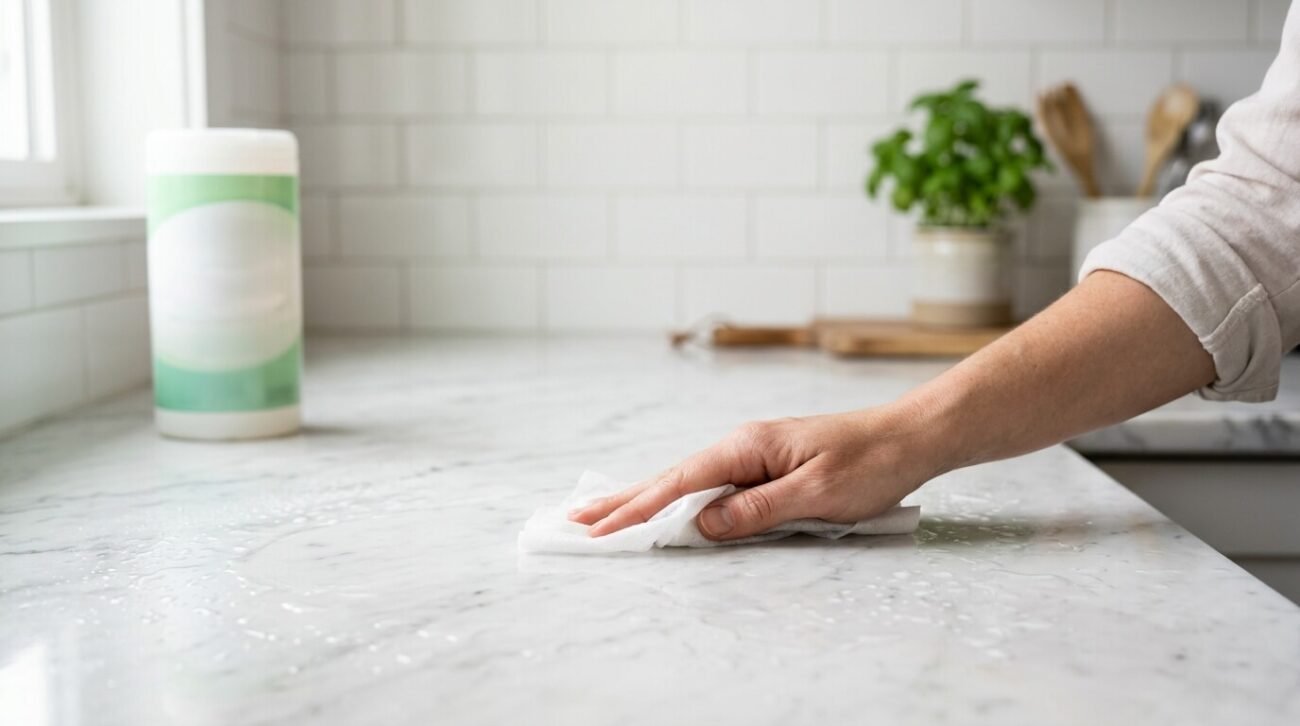
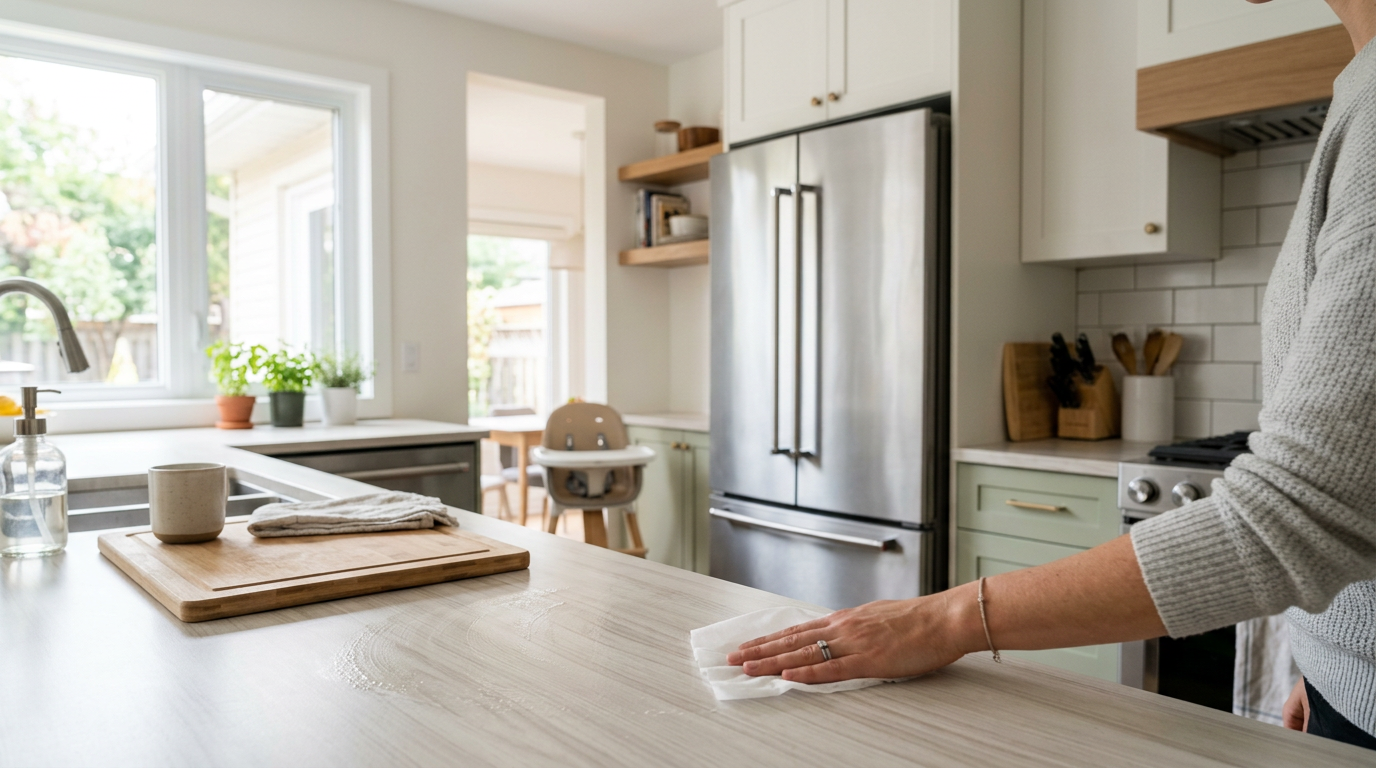
- Laminate and sealed countertops The most common kitchen counter surface in Canadian homes. Hard, non-porous, and ideal for disinfecting wipes. Wipe the entire surface, let it stay visibly wet for the contact time on the label, and let it air dry.
- Stainless steel appliance exteriors Fridge handles, dishwasher fronts, oven knobs, and microwave exteriors. Wipe with the grain of the steel to avoid micro-scratches and streaking. Stainless steel is non-porous and handles disinfecting wipes well.
- Sink basin and tap handles High-touch and frequently contaminated after food prep. Wipe the tap handles, faucet base, and sink rim regularly, particularly after handling raw meat or poultry.
- High chair tray This is where the food-contact surface question matters most. A high chair tray that is wiped and then immediately used for food or touched by a baby’s hands needs to be cleaned with a wipe specifically approved for food-contact surfaces without a rinse step. Not all disinfecting wipes qualify check the label before using any wipe on a surface that contacts food or a child’s hands directly.
What to avoid in the kitchen: the inside of the microwave or oven, unsealed stone or marble counters if you have them, and raw or unfinished wood cutting boards. These are either porous, heat-sensitive, or chemically reactive to the ingredients in most disinfecting wipes.
Bathroom
The bathroom is the highest-priority disinfecting zone in most homes, and the surfaces here are well-suited to disinfecting wipes because they are mostly hard, non-porous, and tolerant of the cleaning chemicals.
- Toilet exterior The seat, lid, handle, and tank exterior are all appropriate. Use a separate wipe for the toilet from the one you use on other bathroom surfaces to avoid cross-contamination.
- Sink, taps, and basin Bathroom tap handles and the sink rim are among the highest-touch surfaces in any home. Daily wiping of these surfaces is practical and well within what a disinfecting wipe is built for.
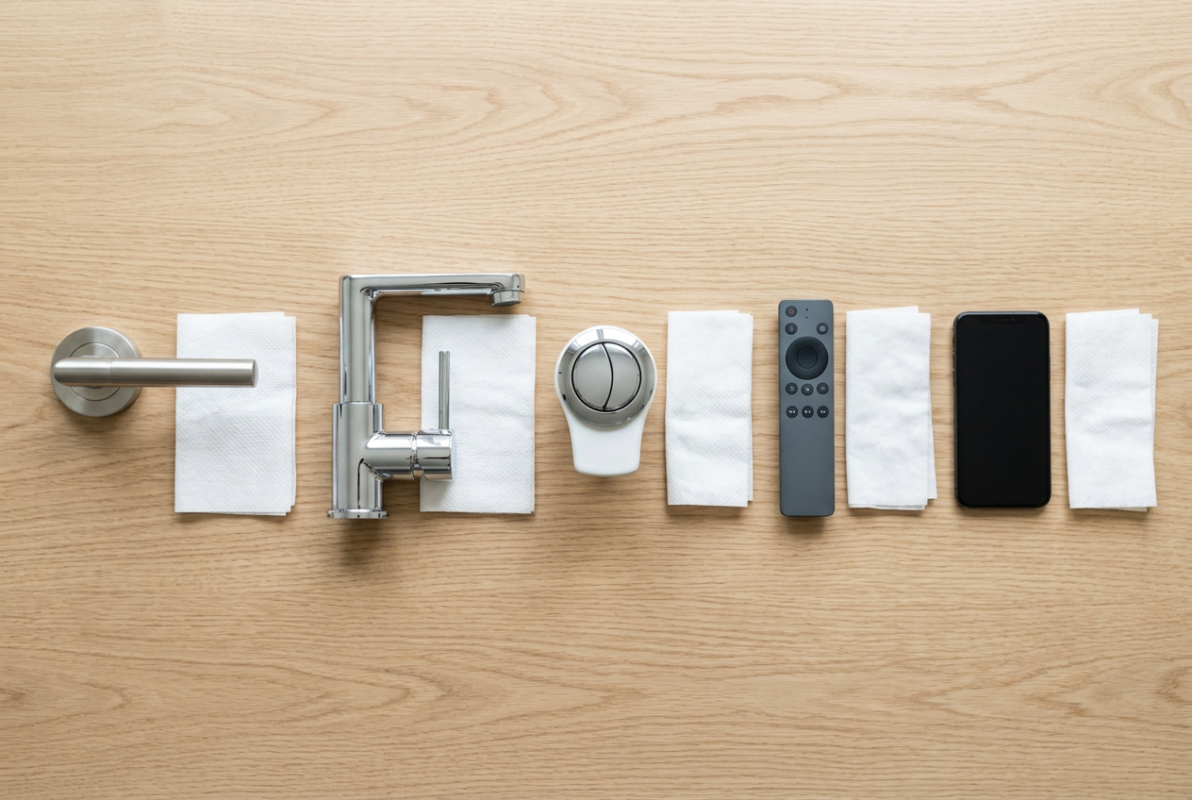
- Light switch and doorknob The bathroom light switch and door handle are touched by everyone in the household and often right after using the toilet. These are the surfaces worth prioritising even on days when you are not doing a full clean.
- Hard floor tiles Non-porous ceramic or porcelain tile can be wiped with a disinfecting wipe for spot treatment, though mopping with a floor-appropriate disinfectant is more practical for large areas.
What to avoid in the bathroom: mirrors (wipes leave streaks and are less effective than glass cleaners on reflective surfaces), fabric bath mats, and grout lines, which are porous and absorb the cleaning agent rather than leaving it on the surface.
Living Areas, Bedrooms, and Home Office
- Door handles and light switches The highest-value targets in any room. A quick wipe of door handles and light switches in a household where anyone has been ill is one of the most effective surface hygiene interventions you can do.
- Remote controls and gaming controllers Hard plastic, non-porous, and touched constantly. Use a wipe that is not dripping wet wring out any excess before wiping around buttons and ports to avoid getting liquid into gaps.
- Hard plastic chair arms and desk surfaces Office desks, plastic chair arms, and hard surfaces in shared spaces are appropriate targets. In shared home offices or households with school-age children, these are surfaces worth adding to a regular wipe-down routine.
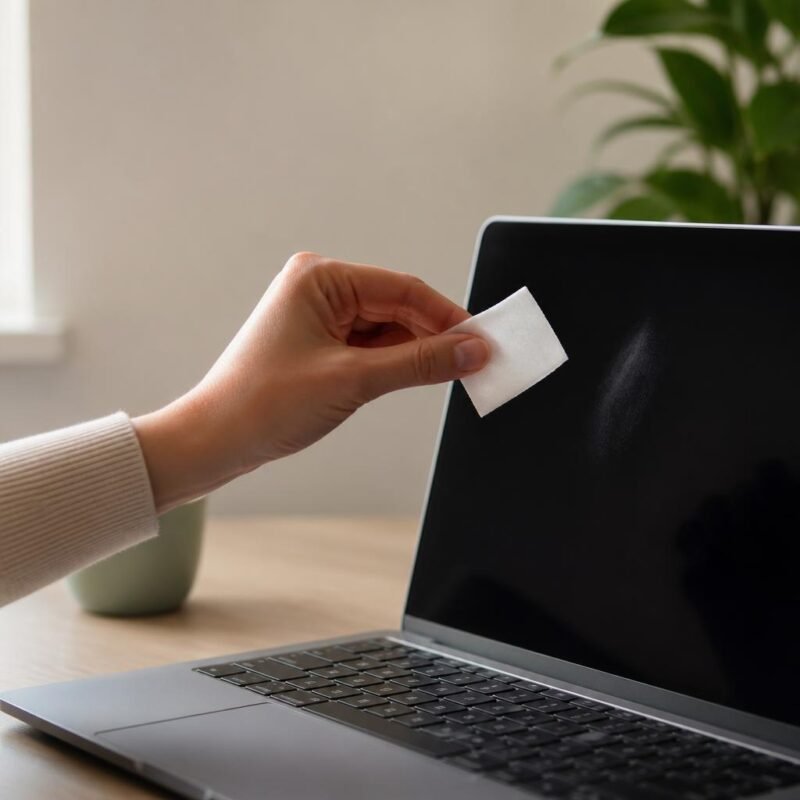
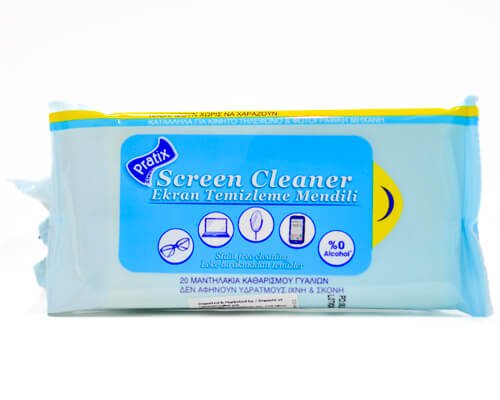
- Keyboard and desk phone Hard plastic surfaces of the keyboard housing can be wiped with care. Avoid getting liquid into the gaps between keys and do not use an alcohol-based wipe on any screen surface, including laptop displays. For screens specifically, use a dedicated screen-safe wipe.
What to avoid in living areas: upholstered furniture (sofas, fabric chairs), carpets and rugs, leather or faux-leather surfaces, painted walls, and any wood surface that is not sealed with a hard non-porous finish. Alcohol and quat-based formulas damage all of these with repeated contact.
The Food-Contact Surface Question
This is the most practically important surface question for Canadian families, and it deserves a direct answer rather than a general note about checking the label.
Many disinfecting wipes including the most widely available Canadian pharmacy brands require a rinse step after use on food-contact surfaces. The label will say something like: “For food-contact surfaces, rinse with potable water after use.” This rinse step is not optional it is there because the active ingredient or other formula components are not approved to be left in direct contact with food at the residue levels that remain after wiping.
The rinse requirement does not make a wipe dangerous to use in a kitchen. It means there is one extra step when the surface will have direct food contact. The practical problem is that most people skip the rinse. They wipe the counter, the tray, or the cutting board and immediately put food on it which is not how the product was tested or approved.
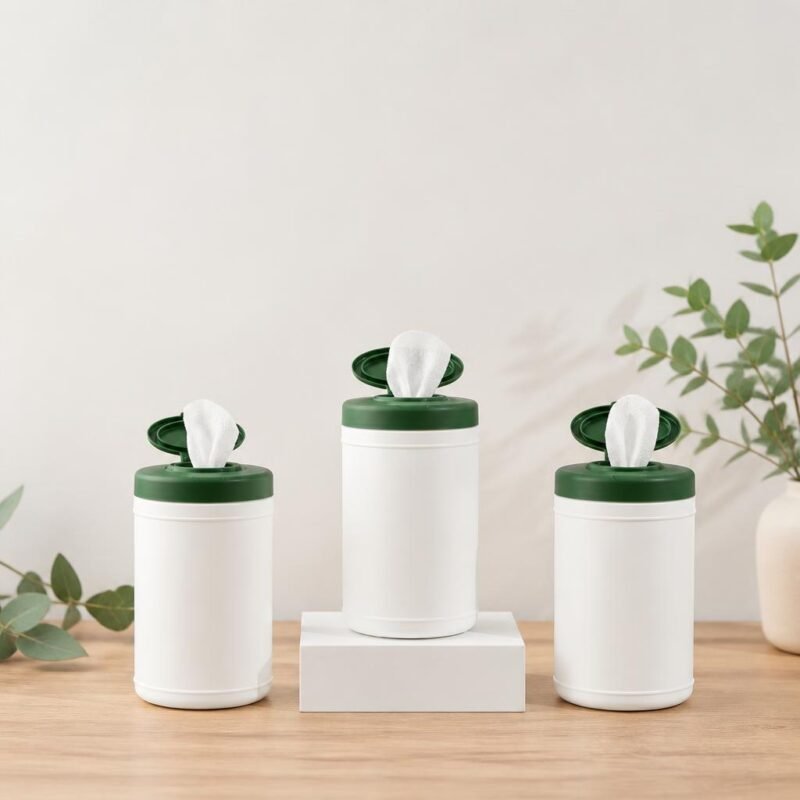
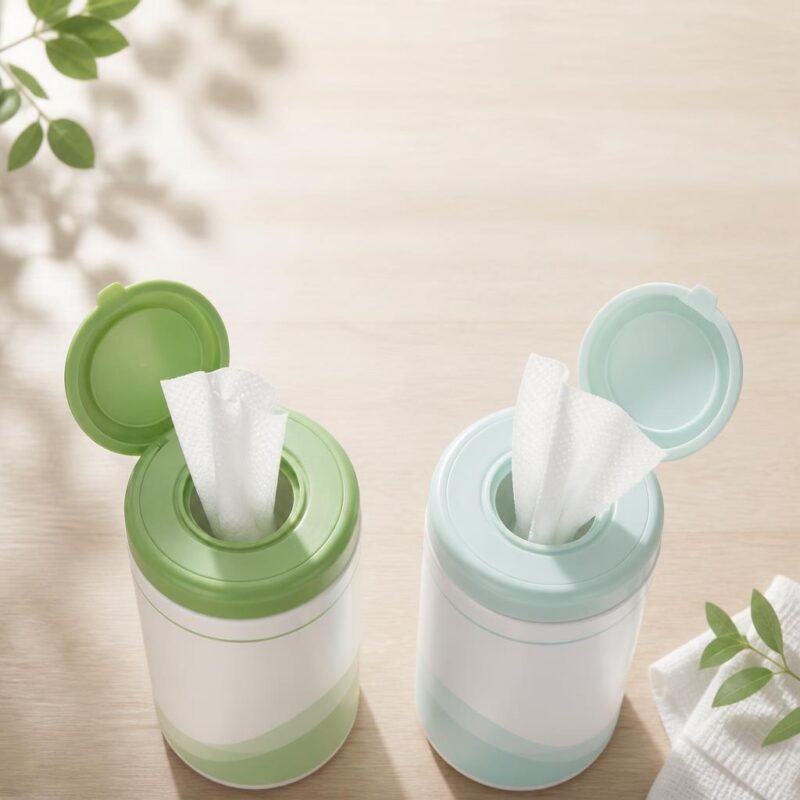
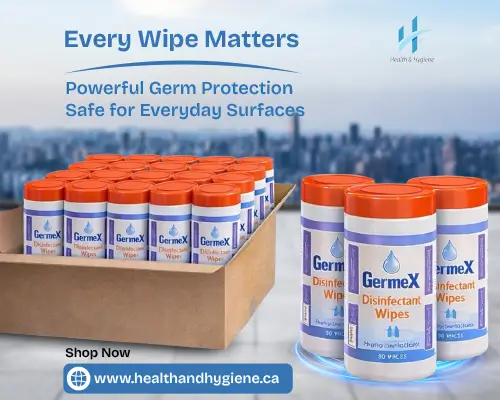
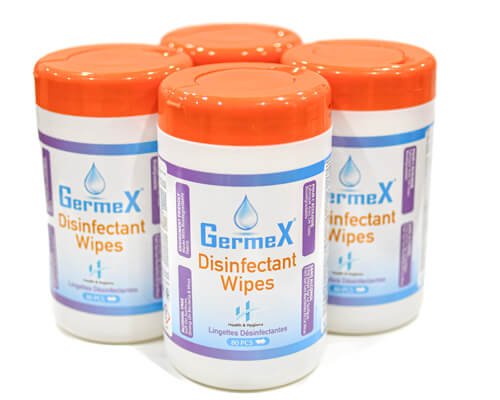
Wipes specifically formulated and approved for food-contact surfaces without a rinse step like GermeX remove this problem entirely. The Health Canada DIN-registered formula is approved to be left on food-contact surfaces after wiping, which is how most people actually use a kitchen counter wipe. Browse the full range in our disinfecting wipes collection, or go straight to the GermeX 4-canister pack the format most suited to everyday kitchen and home use.
Why Alcohol-Free Formulas Are Safer on More Surfaces
Most of the surface damage that comes from using disinfecting wipes in the wrong place is caused by two ingredients: alcohol (which strips coatings, dries out materials, and damages finishes) and certain strong quat compounds (which can discolour some plastics and degrade soft-touch surfaces with repeated use). An alcohol-free formula removes the primary damage mechanism for most of the sensitive surfaces on the avoid list.
This is not just a marketing claim it changes the practical range of surfaces a wipe can be used on safely. A high-alcohol formula is more likely to cause problems on vinyl surfaces, certain plastics, soft-touch coatings, and any finished surface where the chemistry of the sealant or coating is reactive to solvents. An alcohol-free formula is inherently gentler on these materials while still delivering registered disinfection efficacy on appropriate surfaces.
For Canadian households that want one wipe type that covers the kitchen, bathroom, and shared spaces without the complexity of matching the right formula to each surface type, an alcohol-free, food-contact-approved disinfecting wipe is the most versatile practical choice.
Quick Reference: 20 Common Surfaces Safe or Not?
Use this table as a fast reference before using any disinfecting wipe on an unfamiliar surface in your home.
Surface | Safe to use? | Note |
|---|---|---|
Laminate kitchen counter | ✓ Yes | Hard, non-porous ideal surface |
Stainless steel appliances | ✓ Yes | Wipe with grain to avoid streaking |
Sealed granite or quartz | ✓ Yes | Sealed surface is non-porous and safe |
Bathroom sink and taps | ✓ Yes | High-touch wipe daily |
Toilet exterior | ✓ Yes | Seat, handle, tank exterior |
Door handles and knobs | ✓ Yes | One of the highest-priority surfaces |
Light switches | ✓ Yes | Wipe around the switch, not just on it |
Plastic chairs and desks | ✓ Yes | Hard non-porous plastic safe |
High chair tray | ✓ Yes* | *Only if wipe is food-contact approved and no rinse required |
Dining table (sealed) | ✓ Yes* | *Check food-contact approval on label |
Cutting board (plastic) | ✓ Yes* | *Food-contact approval required; rinse if label requires |
Finished/sealed wood floor | ✓ Yes* | *Use sparingly; excess moisture can damage over time |
Glass (windows, mirrors) | ⚠ Caution | May leave streaks; use glass cleaner for best result |
Unsealed or raw wood | ✗ No | Absorbs moisture and chemicals; warps and stains |
Natural marble (unsealed) | ✗ No | Acid in some formulas etches marble permanently |
Painted walls | ✗ No | Alcohol strips paint finish with repeated use |
Laptop or phone screen | ✗ No | Alcohol degrades oleophobic and anti-glare coatings |
Soft upholstery or fabric | ✗ No | Wipes disinfect hard non-porous surfaces only |
Leather | ✗ No | Alcohol and quats dry and crack leather |
Skin or hands | ✗ No | Surface disinfectants are not formulated for skin use |
Frequently Asked Questions
Can I use disinfecting wipes on granite countertops?
Sealed granite is non-porous and handles disinfecting wipes well. Unsealed or natural-finish granite is porous and should not be regularly wiped with disinfecting wipes, as the formula can penetrate and stain the stone. Most modern kitchen granite is sealed; if you are unsure, a water bead test (drip water on the surface if it beads, it is sealed) confirms it.
Can I use disinfecting wipes on my cutting board?
On a plastic cutting board: yes, if the wipe is approved for food-contact surfaces. Rinse afterward if the label requires it. On a wooden cutting board: no. Wood is porous and absorbs the cleaning agents, and the formula is not designed for repeated contact with a porous food surface.
Why do some wipes say ‘non-food contact surfaces only’?
Because the active ingredient or other formula components are not approved at the residue levels left after wiping for direct contact with food. Always read this label instruction it means the product should only be used on surfaces that will not touch food directly, or it requires a rinse step before food contact.
Can I use disinfecting wipes on my sofa or fabric surfaces?
Disinfecting wipes are designed for hard, non-porous surfaces. Fabric absorbs the liquid, preventing proper contact time and leaving chemical residue in the fibres. Most fabric upholstery also reacts poorly to the chemical ingredients in conventional disinfecting wipes. For soft surfaces, look for products specifically formulated for fabric or upholstery.
How often should I wipe down high-touch surfaces at home?
During ordinary household routines, high-touch surfaces door handles, light switches, tap handles, counters benefit from a wipe-down two to three times per week. During illness in the household, daily wiping of the highest-touch surfaces reduces transmission risk meaningfully.
All-purpose disinfecting wipes are genuinely versatile within the specific category of hard, non-porous surfaces they are built for. The kitchen counter, bathroom surfaces, door handles, and shared equipment in a Canadian home are exactly where they perform as intended. The places they cause damage unsealed wood, marble, painted walls, screens, and fabric are surfaces where the formula was never tested or intended to go.
The food-contact surface question is the one worth getting right before you buy: if you intend to use a wipe on kitchen counters, high chair trays, or dining tables and do not want to rinse afterward, make sure the product you choose is specifically approved for food-contact surfaces without a rinse step. That distinction is on the label it just takes a moment to check it.
Browse the full GermeX disinfecting wipes range Health Canada registered, alcohol-free, and food-contact approved without rinsing in our disinfecting wipes collection, or go straight to the GermeX 4-canister pack for everyday home use.